
Last updated November 3, 2026
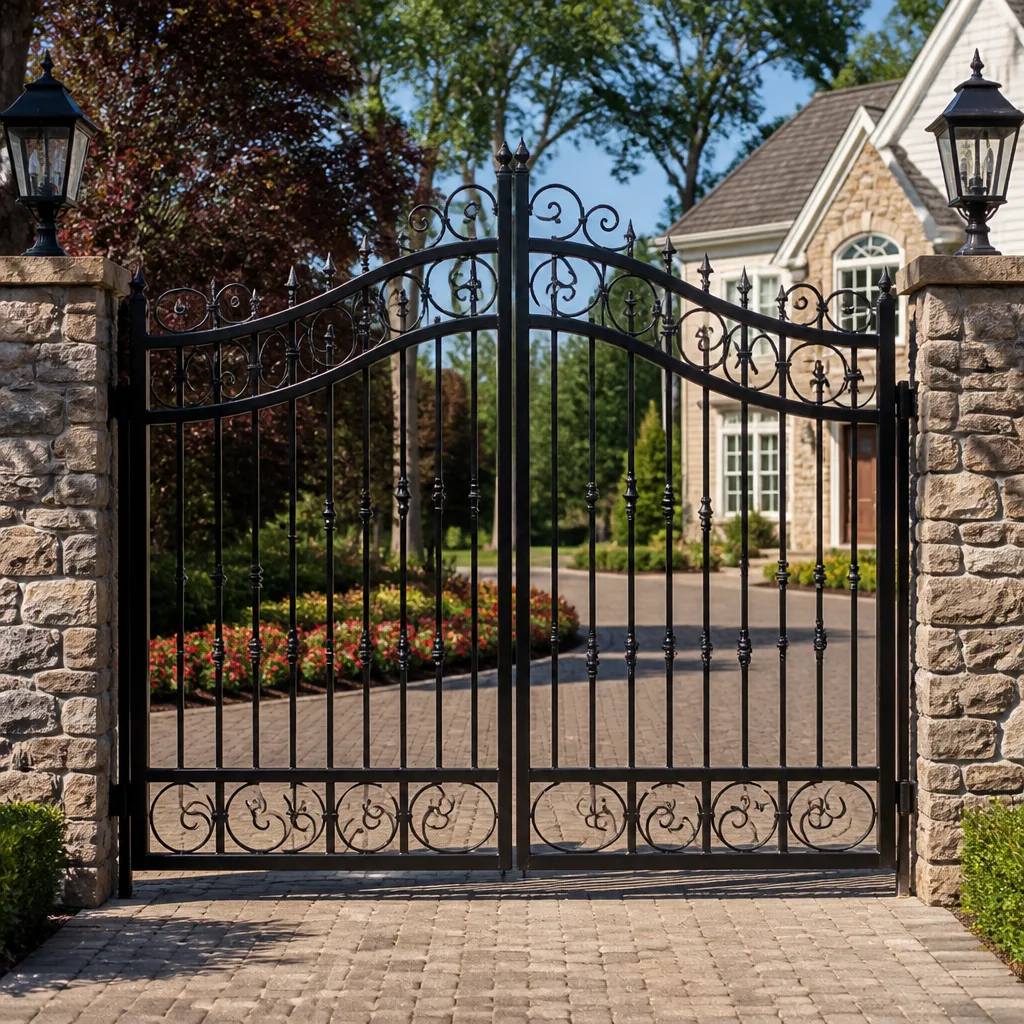 Wrought iron
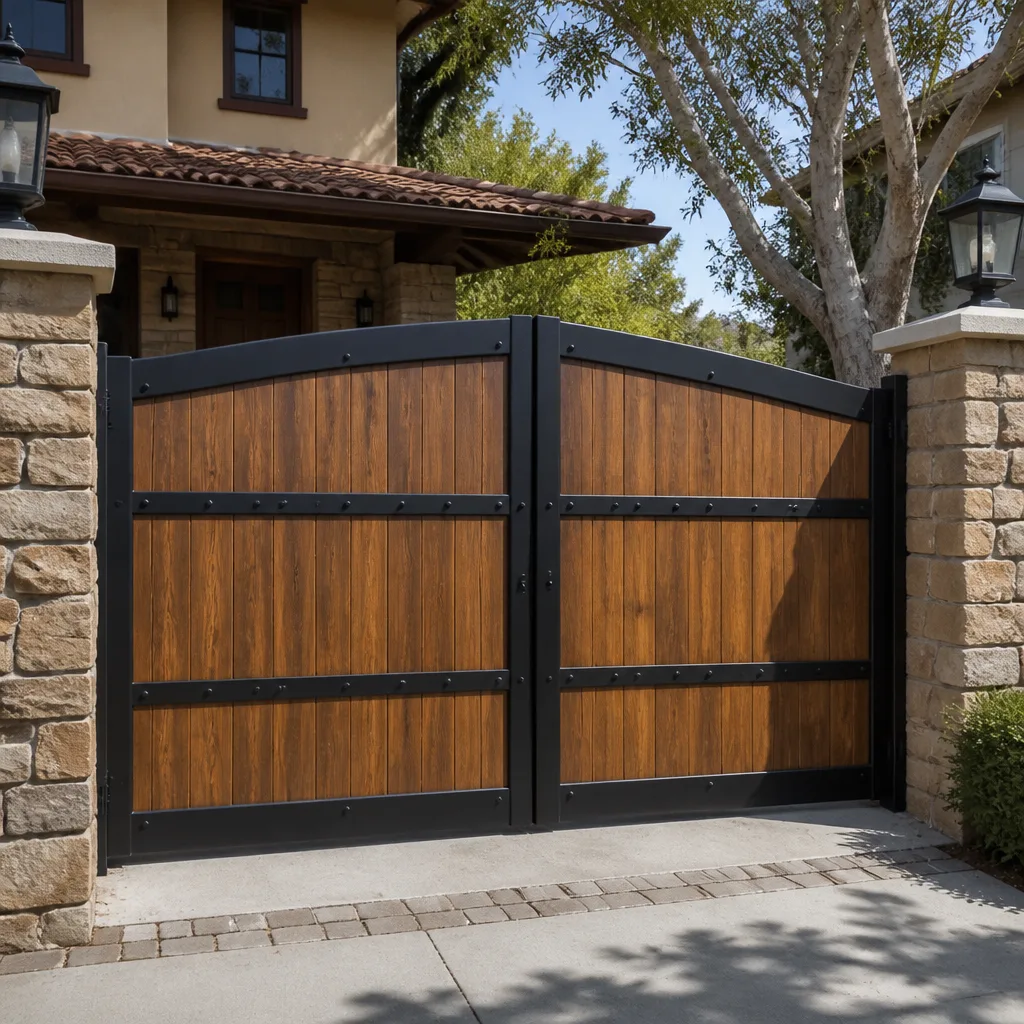 Wood & steel frame
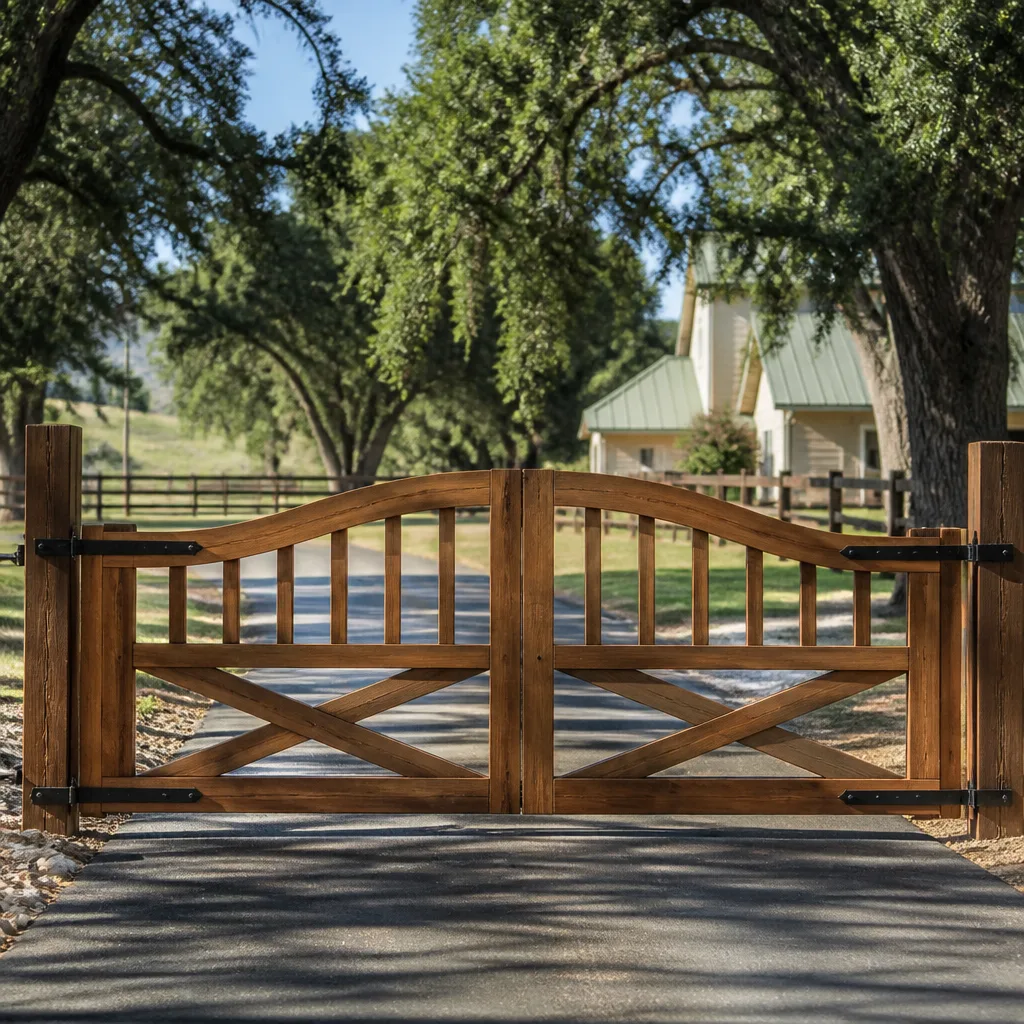 Farm & ranch
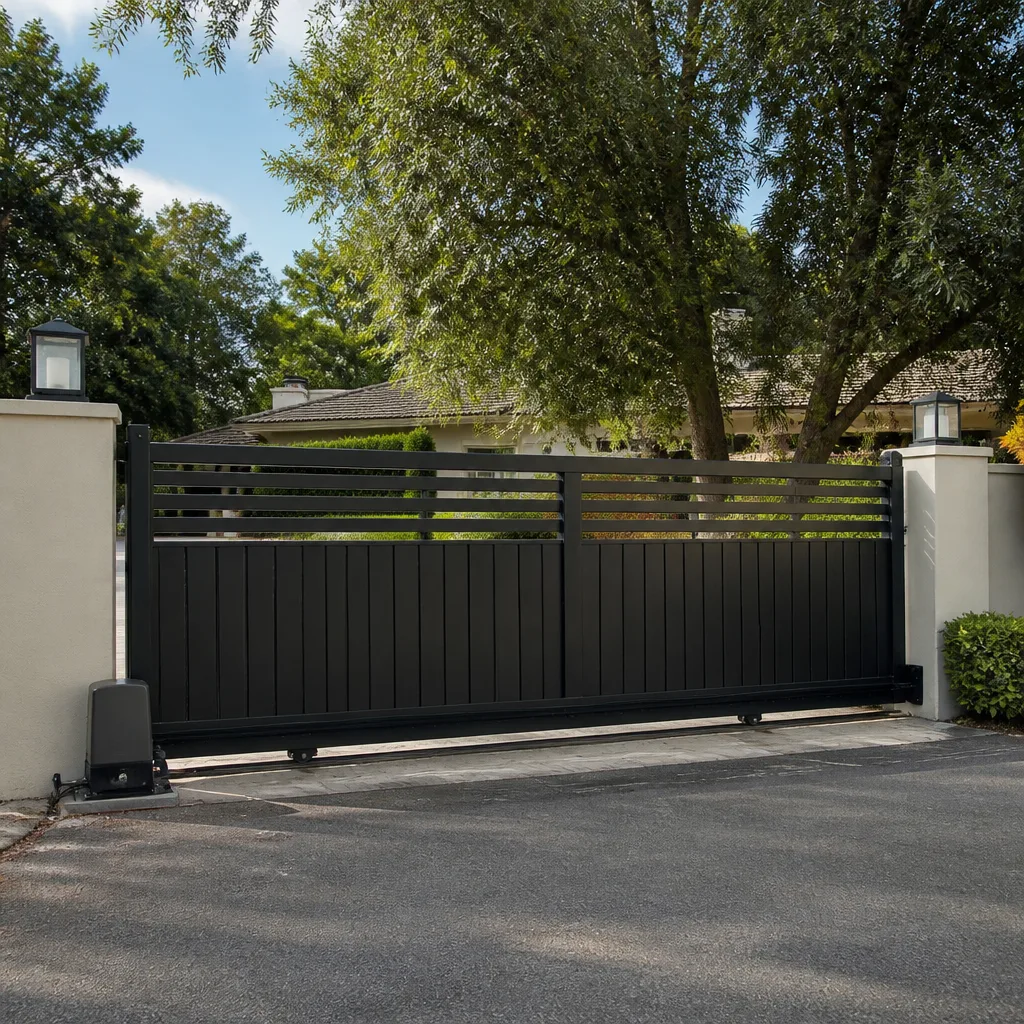 Sliding driveway gates
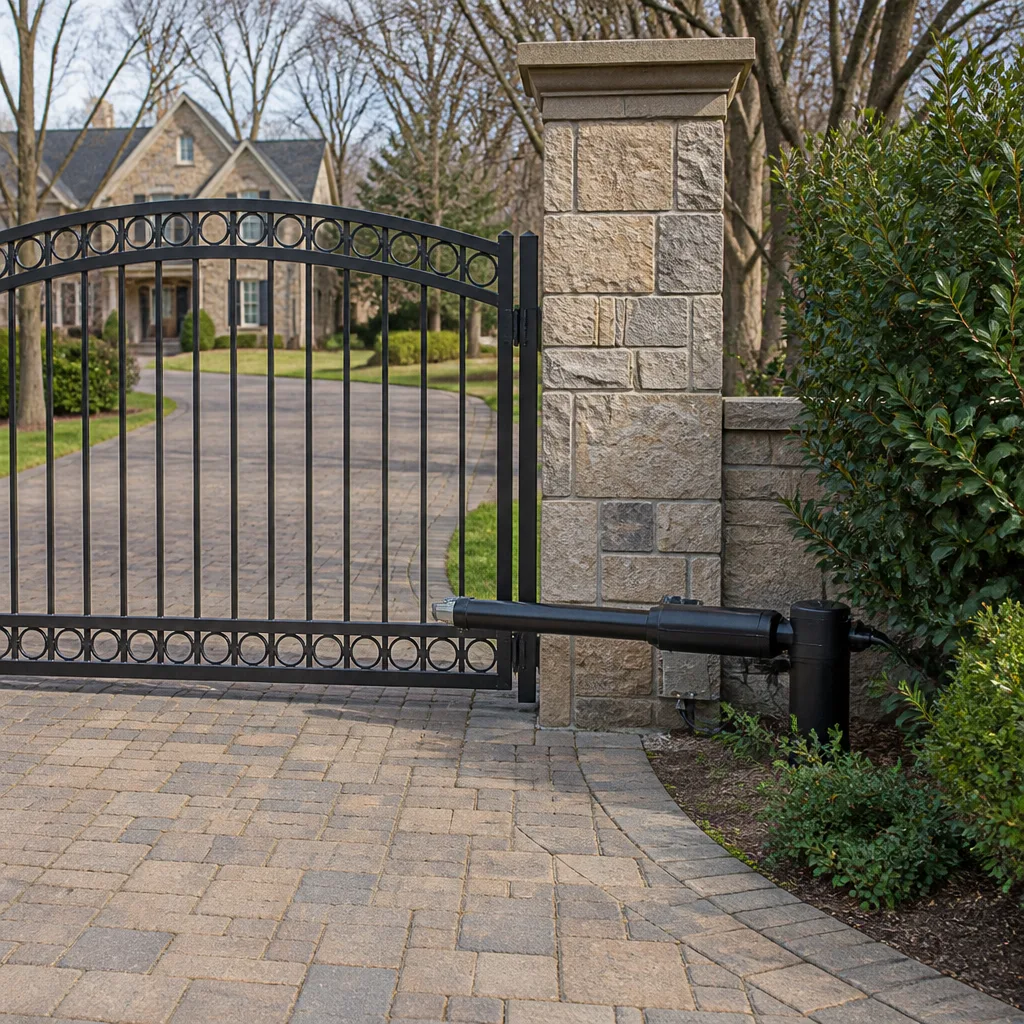 LiftMaster operators
Free on-site gate assessment - hinges, posts, and your LiftMaster or Nice gate operator checked before anything is quoted
The assessment is free and the quote is the invoice.
Get your free estimateThe Complete Gate Repair Guide for East Los Angeles Homeowners
Most gate failures in East LA aren’t random. They cluster around three environmental stressors that general repair guides never mention: alkaline soil that corrodes underground wiring faster than anywhere inland, stop-and-go traffic vibration from Whittier and Atlantic Boulevards that rattles hinges loose on a measurable cycle, and the marine layer that rolls in and oxidizes control boards overnight. If you live east of the 710 and west of the 605, your gate is fighting conditions that a gate in Pasadena or Glendale simply never faces. This guide maps the full repair landscape in East Los Angeles from a specialist’s vantage point, so you understand what’s actually wrong before you spend a dollar on gate repair parts or labor.
Styles & brands we work with
- Wrought iron
- Wood & steel frame
- Farm & ranch
- Sliding driveway gates
- LiftMaster operators
Quick Answer
Gate repair in East Los Angeles typically costs $150 to $450 for mechanical fixes like hinge replacement or sag correction, while electric gate repair involving control boards, motors, or sensors runs $350 to $900 depending on the brand and failure point. Most repairs are diagnosed in one visit, and many mechanical issues can be fixed the same day. The single most important factor in repair cost is whether the root cause is identified correctly the first time, because a misdiagnosed gate fails again within months. For deeper context, see The Complete Guide to Gate Repair in East Los Angeles.
Table of Contents
- Why East Los Angeles Gates Fail Differently
- What Your Gate Brand Fails At, In Order
- Repair That Holds 6 Months vs. 6 Years: The Root Cause Difference
- Which Repairs Are DIY-Safe and Which Are Not
- How Much Gate Repair Costs in East Los Angeles
- How to Document a Gate Failure for HOAs and Insurance
- Choosing a Gate Technician in East Los Angeles
- Common Mistakes to Avoid
- When to Call a Professional
- Frequently Asked Questions
- The Bottom Line
Why East Los Angeles Gates Fail Differently
East Los Angeles sits in a microclimate band that accelerates gate wear in ways you won’t find in the Valley, the Westside, or even neighboring Montebello. The marine layer that moves inland through the Gap between Boyle Heights and City Terrace pushes humid, salt-tinged air over the neighborhood most nights. That air settles on metal surfaces at dew point. Control boards mounted inside gate operators absorb that moisture through their ventilation slots, and over two to three years, the oxidation builds enough to cause intermittent failures: the gate opens sometimes, not others. Homeowners assume the remote battery is dead. It rarely is.
The soil is the second factor. East LA sits on old floodplain deposits with higher alkalinity than most of the county. Underground low-voltage wiring for keypads, safety loops, and photo sensors runs through conduit that shifts with seasonal moisture swings. When hairline cracks form in conduit joints, alkaline soil leaches in and corrodes the copper insulation. We’ve pulled out keypad wire in the Belvedere neighborhood that looked like it had been soaked in acid. That’s not an installation defect. That’s local soil chemistry at work. A gate in Torrance doesn’t face the same degradation curve.
Third is traffic vibration. Whittier Boulevard, Atlantic Boulevard, and parts of 3rd Street carry continuous heavy truck traffic. Homes within roughly 300 to 400 feet of those corridors experience constant low-frequency vibration that no gate manufacturer engineers for. Hinges loosen. Weld points fatigue. Gate wheels develop flat spots from micro-bouncing against their tracks. A sliding gate that was perfectly level when installed in 2018 will be out of level by 2024 if it faces Atlantic Boulevard traffic. The fix isn’t a new motor. It’s re-leveling and hinge replacement. But you only know that if the technician measures before recommending parts.
What Your Gate Brand Fails At, In Order
The brands installed across East Los Angeles residential and commercial properties are not random. The housing stock here, much of it built between 1920 and 1970, was retrofitted for automated gates in waves: first the cylindrical FAAC operators on apartment driveways in the 1990s, then the LiftMaster and Linear systems during the 2000s condo boom, then Mighty Mule and Ghost Controls on single-family homes in the last decade. Each brand fails in a specific sequence, and knowing that sequence shortens diagnosis time by half.
LiftMaster
LiftMaster gate operators, especially the LA400 and LA500 series, fail in this order: limit switch drift, capacitor failure, control board logic errors. The limit switch drift usually shows up as a gate that stops three inches short of fully open, or reverses half an inch before closing. Capacitors go next, typically in year four or five, presenting as a motor that hums but won’t turn. The logic board is last and often gets blamed first by technicians unfamiliar with the brand. We work on LiftMaster almost daily because it’s one of the most common automated gate systems in LA, and the repair sequence is predictable once you’ve seen it enough times.
Mighty Mule
Mighty Mule dominates the DIY-installed single-family gate market. Its most common failure in East LA is the arm actuator stripping its internal gears after two to three years of daily cycles. The second is control board moisture damage from the marine layer we described earlier, particularly on the MM371 and MM571 models where the board housing doesn’t seal well against coastal damp. Third is remote receiver desensitization after power surges during Santa Ana wind events. Most Mighty Mule repairs cost less than replacing the unit, but you need a technician who actually services Mighty Mule rather than one who recommends replacing any brand they don’t stock parts for.
Elite
Elite operators are common on commercial and HOA gates throughout the area, particularly the SL3000 and CSL2000 models. Their failure sequence is almost always: loop detector first, then the onboard relay, then the motor capacitor. Loop detector failures show up as a gate that opens for exit traffic but not for entering vehicles, or a gate that opens randomly at 2 a.m. when no car is present. That random-opening symptom is nearly diagnostic of a failing loop detector, but homeowners often describe it as a ghost. It isn’t a ghost. It’s a loop detector at the end of its life reading phantom signals.
FAAC
FAAC hydraulic operators, the 400, 402, and 750 series, are common on older East LA apartment buildings. They fail in this order: hydraulic fluid degradation first, then pressure relief valve drift, then motor seal leakage. When a FAAC gate opens slowly or groans, the fluid is usually the culprit. It’s a maintenance item that almost no property manager tracks. By the time a FAAC operator fails hard, it’s typically been failing soft for six months, and the repair is more involved than a fluid change would have been.
Repair That Holds 6 Months vs. 6 Years: The Root Cause Difference
The difference between a gate repair that lasts and one that doesn’t comes down to one thing: whether the technician identified the root cause or treated a symptom. Symptom-based repair is replacing the part that appears broken. Root-cause repair is figuring out why that part broke, then fixing that. In East Los Angeles, where the environment actively attacks gate components, symptom-based repair fails fast. Here’s how the diagnostic process should work.
- Listen first. A technician should ask when the gate started acting up, whether it happens in the morning or evening, after rain or dry weather, and whether it has ever been repaired before. These answers localize the problem before a single panel is opened.
- Measure before replacing. Hinges get measured for level. Voltage gets measured at the board and at the motor. Loop detectors get tested with a meter, not replaced on a hunch. In our experience, the fastest way to a six-month repair is skipping the measurement step.
- Test the whole system, not just the broken part. A motor that burned out may have burned out because a failing capacitor drew excess current. Replace the motor and leave the capacitor, and the new motor fails in a year. The repair looked successful but wasn’t.
- Check the environment. In East LA, this means checking for corrosion at every connection point, inspecting the conduit for cracking, and looking for vibration-induced looseness at every mechanical joint. An inland technician might skip these. A local specialist won’t.
- Document the root cause in writing. When you pay for a repair, ask what caused the failure and what was done to prevent recurrence. If the answer is vague, the repair was probably superficial.
A six-year repair doesn’t cost more than a six-month repair in most cases. It costs a more thorough diagnosis up front. The parts are the same parts. The labor is often within 15% of each other. What you’re paying for is the difference between a gate technician who identifies the root cause before recommending a single repair, and someone who swaps parts until the gate works and then leaves.
Which Repairs Are DIY-Safe and Which Are Not
Some gate repairs are genuinely doable for a homeowner with basic tools. Others carry electrocution, entrapment, or liability risk that most people underestimate until something goes wrong. Here’s the honest breakdown.
DIY-Safe Repairs
- Remote battery replacement. If your remote’s range has shrunk but the gate still works from the keypad, replace the remote battery first. This fixes a surprising percentage of reported gate failures.
- Photo sensor cleaning and realignment. Photo sensors on either side of the gate track accumulate East LA dust and marine-layer grime. A soft cloth and a level will often restore proper function if the gate refuses to close. This is the most common false alarm we get called out for.
- Track lubrication. On sliding gates, the track and wheels benefit from a dry silicone lubricant applied every six months. Never use grease on a gate track. Grease holds the fine grit that blows around East LA and turns into abrasive paste.
- Visible hinge bolt tightening. If a swing gate sags slightly and the hinge bolts are visibly loose, tightening them with the right socket is safe. What’s not safe is attempting to re-level the gate by loosening and re-shimming hinges yourself.
Not DIY-Safe: Call a Professional
- Any repair involving the gate operator’s high-voltage section. The operator’s transformer converts 120V household current down to 24V control voltage. Even with the breaker off, the capacitor inside can hold a charge strong enough to injure you. This is not a place for a homeowner to be.
- Spring-loaded or counterweighted gate components. Some swing gates, especially older iron gates in East LA, use torsion springs or counterweights. Under tension, these parts store enormous energy. If a spring lets go while you’re working on it, the injury can be severe. Even experienced installers treat these with extreme caution.
- Entrapment sensor or safety loop work. Gates in California are required to have entrapment protection: photo sensors, contact edges, or loops. If these are not functioning correctly, the gate can close on a person, a pet, or a car. Liability for an improperly repaired safety system can land on the homeowner, especially if the gate is on a rental property or serves multiple units.
- Control board replacement. Swapping a board requires matching the exact revision of the existing unit, handling static-sensitive components, and re-terminating low-voltage wiring correctly. One crossed wire can fry the new board instantly. We’ve replaced boards after DIY attempts that reversed polarity on the motor leads. The repair cost more after the DIY attempt than it would have cost originally.
How Much Gate Repair Costs in East Los Angeles
Gate repair pricing depends on what failed and which brand you have. Here are the realistic ranges we see across East Los Angeles for the most common repair jobs. Every job gets a written quote agreed before any work starts, so you know the price when you approve the repair, not after the gate is fixed.
- Hinge replacement or weld repair (single gate): $150 to $350 depending on gate weight and whether welding is needed on-site.
- Gate sag correction and re-leveling: $200 to $450. This is one of the most common repairs in East LA due to traffic vibration loosening gate posts over time.
- Remote replacement or reprogramming: $45 to $120 per remote, depending on the brand and whether it’s a rolling-code or fixed-code system.
- Photo sensor replacement or realignment: $120 to $250 including parts. A surprising number of no-close problems come down to sensor alignment issues.
- Control board replacement: $350 to $700 including the board and labor. Board cost varies significantly by brand: Mighty Mule boards are cheaper, while FAAC and Viking boards run higher.
- Operator motor replacement: $400 to $900. This is the fix when the motor has burned out or seized, and the cost depends heavily on whether it’s a swing arm motor or an in-ground hydraulic unit.
- Complete operator replacement (motor and controls): $900 to $2,200 installed. This is often the right call for operators more than 12 years old, especially if the original brand has been discontinued.
- Electric gate diagnostic visit: Typically $75 to $125, credited toward the repair if you proceed. At Gate Repair East Los Angeles, estimates are free, so you’re never paying to hear what’s wrong.
Every price is quoted and agreed before any work starts. That’s not a policy on a page somewhere. That’s how every job runs. If a repair estimate changes mid-job because something unexpected is found, you get a call with the new number before we touch another part.
How to Document a Gate Failure for HOAs and Insurance
Gate failures on rental properties, HOA-managed complexes, or properties with recent insurance claims often require documentation. Property managers and insurance adjusters don’t respond to “the gate is broken.” They respond to specific, datestamped, photo-supported evidence. Here’s how to document a gate failure properly so your report gets taken seriously the first time.
- Record the first failure date in writing. Note the date, time, and exactly what the gate did or didn’t do. “Gate opened but didn’t close, March 14, 7:40am” is far more useful than “gate stopped working last week.”
- Take photos or video of the specific symptom. A photo of the gate half-open with the error code on the operator’s display is gold. Many operators show a diagnostic code or blinking LED pattern that identifies the fault. That code tells a technician what failed before they even visit.
- Note the conditions. Was it wet? Cold? Did a power outage happen the night before? In East LA, marine layer moisture effects show up more in winter months, while Santa Ana season correlates with power surge damage. The conditions matter.
- Log every remote, keypad, and access attempt. If the keypad works but the remote doesn’t, write that down. If the exit loop opens the gate but the enter loop doesn’t, write that down. Each detail narrows the diagnostic path.
- Get the repair diagnosis in writing. After the technician completes the repair, ask for a written description of the root cause and what was replaced. This is the document that settles disputes about whether a repair was properly done or whether a recurring failure is a new problem.
HOAs and insurance adjusters process paperwork faster when the documentation looks like a timeline, not a complaint. The homeowners who follow this sequence get approvals on the first submission. The ones who don’t end up in follow-up email loops that add weeks to the repair timeline.
Choosing a Gate Technician in East Los Angeles
When you need gate repair in East Los Angeles, the technician you choose matters more than the part they install. Here’s what separates a gate specialist from a generalist handyman who will take a gate job because it’s on the way to another call.
Brand knowledge. A gate specialist can tell you the common failure points on your specific brand without opening the panel. We work on LiftMaster, FAAC, BFT, Linear, Viking, Ghost Controls, DoorKing, Elite, and Mighty Mule, which covers the vast majority of systems installed across East LA apartments, condos, and single-family homes. When a technician already knows your brand, diagnosis is faster and parts arrive the first time. The alternative is someone learning on your gate at your hourly rate.
Electric gate expertise. Electric gate repair in East Los Angeles requires a different skill set than mechanical hinge work. Motors, control boards, sensors, and access systems are all interdependent. A technician who only understands the mechanical side will throw parts at an electrical problem and hope. A technician who understands both sides diagnoses systematically. We identify the root cause, motor, control board, sensor, or wiring, before recommending a single repair. That sequence matters.
Scope honesty. A company that handles manual gates, electric gates, and full installations can tell you when repair is worth it and when replacement is the smarter financial call. A company that only does repairs will always recommend a repair, even when it’s throwing good money after bad. Whether your gate needs a targeted fix or a full replacement, a specialist should handle it start to finish, including gate installation when the day comes.
Trade focus. A gate specialist is not a garage door company that also does gates. It’s not a fence company that bought an operator kit online. Gates are the entire trade. That focus means the diagnostic patterns are deep, not borrowed from an adjacent industry. When we show up to a failing FAAC at an apartment complex on Olympic Boulevard, we’ve seen that exact failure mode dozens of times before. When a generalist shows up, it’s maybe the third FAAC they’ve ever opened.
Common Mistakes to Avoid
- Replacing the remote battery and ignoring the real problem. A gate that opens slowly isn’t a battery problem. A gate that opens randomly at night isn’t a battery problem. But homeowners waste weeks on battery swaps before calling for real diagnosis.
- Spraying WD-40 on everything that moves. WD-40 is a solvent, not a lubricant. On gate tracks it leaves a film that traps East LA dust and turns into grinding paste. Use dry silicone on tracks and leave the hinges to the technician.
- Hiring a general handyman for electric gate repairs. The control board is not a light switch. Incorrect low-voltage wiring will destroy a board in seconds, and you’ll pay for the mistake twice: once for the handyman’s time and again for the real repair.
- Ignoring a gate that works intermittently. Intermittent failures are early failures. A gate that opens most of the time is telling you a component is degrading. The repair now is cheaper than the full failure later, and it won’t strand you outside your own driveway at the worst possible moment.
- Skipping the safety sensor check after any repair. California law requires functional entrapment protection on automated gates. If a technician replaces a board or motor without verifying the photo sensors and edges afterward, the gate may pass its own self-test and still be unsafe.
- Accepting a verbal quote with no breakdown. Any legitimate gate repair company will give you a written estimate showing parts, labor, and the diagnosis that led there. A verbal number with no documentation is a red flag. Our pricing is always quoted and agreed before any work starts.
- Replacing a gate when the operator was the problem all along. Sometimes a property owner decides the gate itself is the issue when the actual fault is the operator. That’s an expensive mistake. A proper diagnostic sequence separates gate problems from operator problems before any replacement decision is made.
When to Call a Professional
Call a gate professional when the gate makes a sound it didn’t make before, when it moves slower than it used to, when it works intermittently, when it doesn’t respond to remotes or keypads reliably, when it reverses without reason, or when it has come off its track. These are not symptoms to wait on. A gate that fails completely usually fails at the worst possible moment: at night, in the rain, when you’re running late or when someone needs to get out. If you’re in East Los Angeles and your gate is doing something it didn’t do a month ago, the fastest way to a fix is a diagnostic visit from a specialist who works on your brand. Gate Repair East Los Angeles offers free estimates. Call (833) 620-4315 and we’ll tell you what’s wrong, what it costs, and what happens next.
Frequently Asked Questions
Gate repair in East Los Angeles typically costs between $150 and $450 for mechanical repairs like hinge replacement, sag correction, or track realignment, while electric gate repairs involving motors, control boards, or sensors run $350 to $900 depending on the brand and parts needed. Every repair gets a written quote agreed before work begins, so the price you approve is the price you pay. Call (833) 620-4315 for a free estimate on your specific gate.
Many mechanical repairs, hinge replacements, track realignments, and sensor adjustments, can often be completed the same day we diagnose them. Electric gate repairs involving control boards or motors sometimes require ordering a brand-specific part, which typically takes one to three business days to arrive. When you call with a specific failure description, we can usually tell you on the phone whether same-day completion is realistic.
We service LiftMaster, FAAC, BFT, Linear, Viking, Ghost Controls, DoorKing, Elite, and Mighty Mule operators, which covers the large majority of automated gate systems installed across East Los Angeles. If you have a different brand, call us anyway. The diagnostic principles transfer, and some obscure board failures masquerade as brand-specific problems when they’re actually wiring or sensor issues.
A properly diagnosed gate repair should last five to seven years for mechanical components and three to five years for electronic components like control boards, assuming the root cause was addressed and the gate isn’t facing unusual environmental stress. In East LA, the marine layer and traffic vibration shorten component life compared to inland areas, so local repair approaches need to account for corrosion resistance and vibration-proofing that inland repairs can skip.
Repair is worth it when the gate structure, posts, hinges, and welds, is sound and the failed component is replaceable. Replacement makes more sense when the gate itself is rusted through at the bottom rail, the posts have shifted, or the operator is discontinued and parts are no longer available. A gate specialist who does both repair and installation can give you an honest comparison without a bias toward one path.
An electric gate that opens on its own is usually caused by a failing loop detector in the driveway, a damaged keypad wire shorting intermittently, or electromagnetic interference from nearby radio sources. In East LA, corroded underground wiring from alkaline soil is a common culprit. This problem is diagnosable with a meter and a methodical sequence of elimination, and it rarely requires guessing if the technician tests systematically.
The Bottom Line
East Los Angeles gates fail in patterns that reflect the neighborhood itself: marine layer moisture attacking control boards, alkaline soil eating underground wiring, and traffic vibration rattling mechanical components loose on a predictable cycle. A gate repair that lasts starts with diagnosis that accounts for those local conditions, not a generic parts-swap. Whether you’re in City Terrace, Belvedere, or a block off Whittier Boulevard, the right technician already knows your brand before they open the panel. And when you need gate repair in East Los Angeles, the difference between a six-month patch and a six-year fix is the depth of that first diagnosis.
Written by the team at Gate Repair East Los Angeles, serving East Los Angeles since 2014. Browse our more guides & resources.
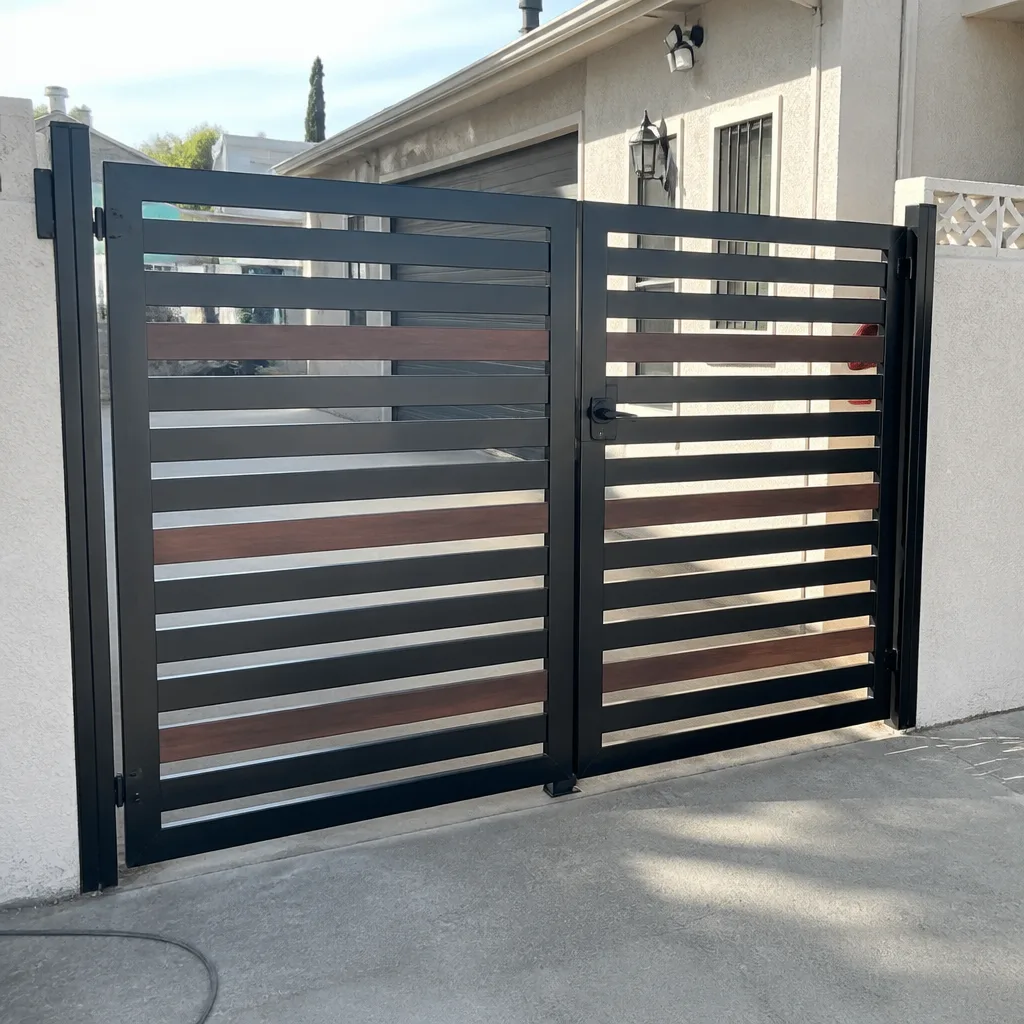
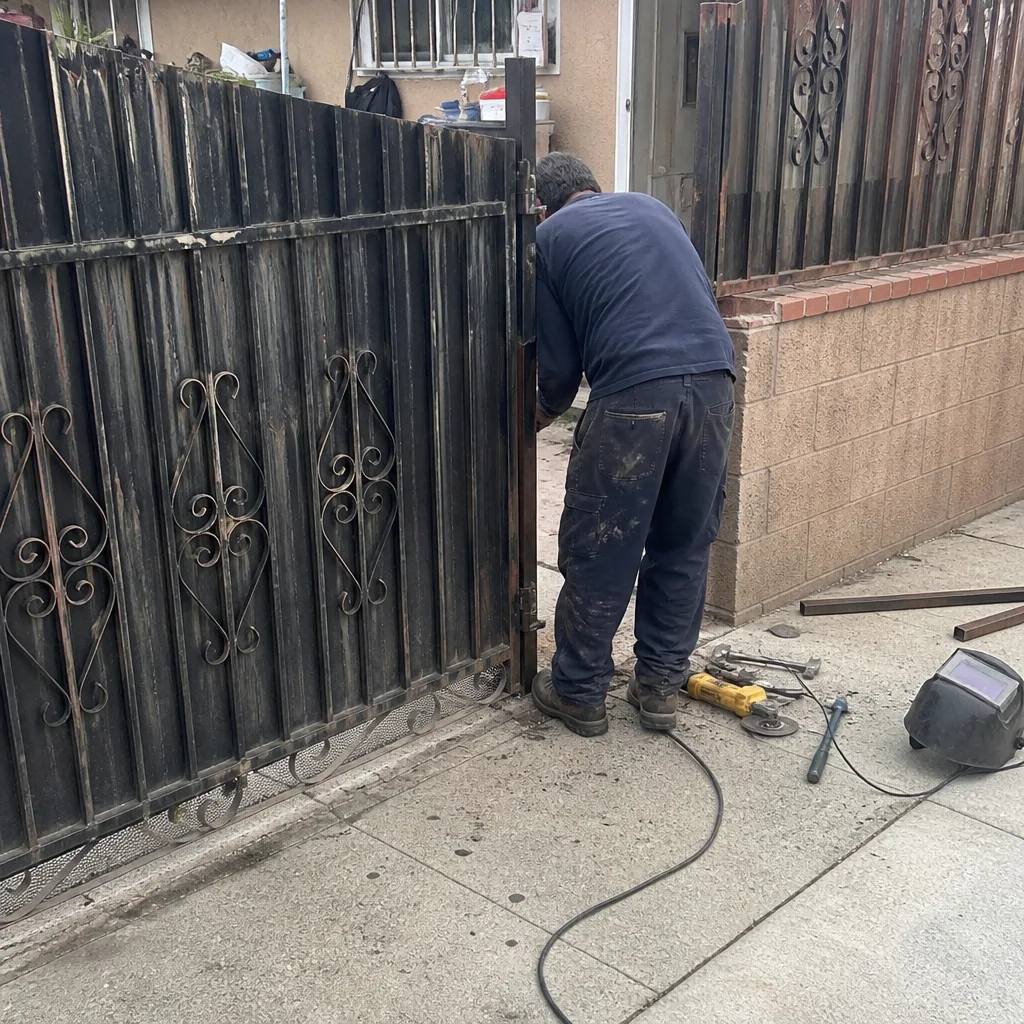
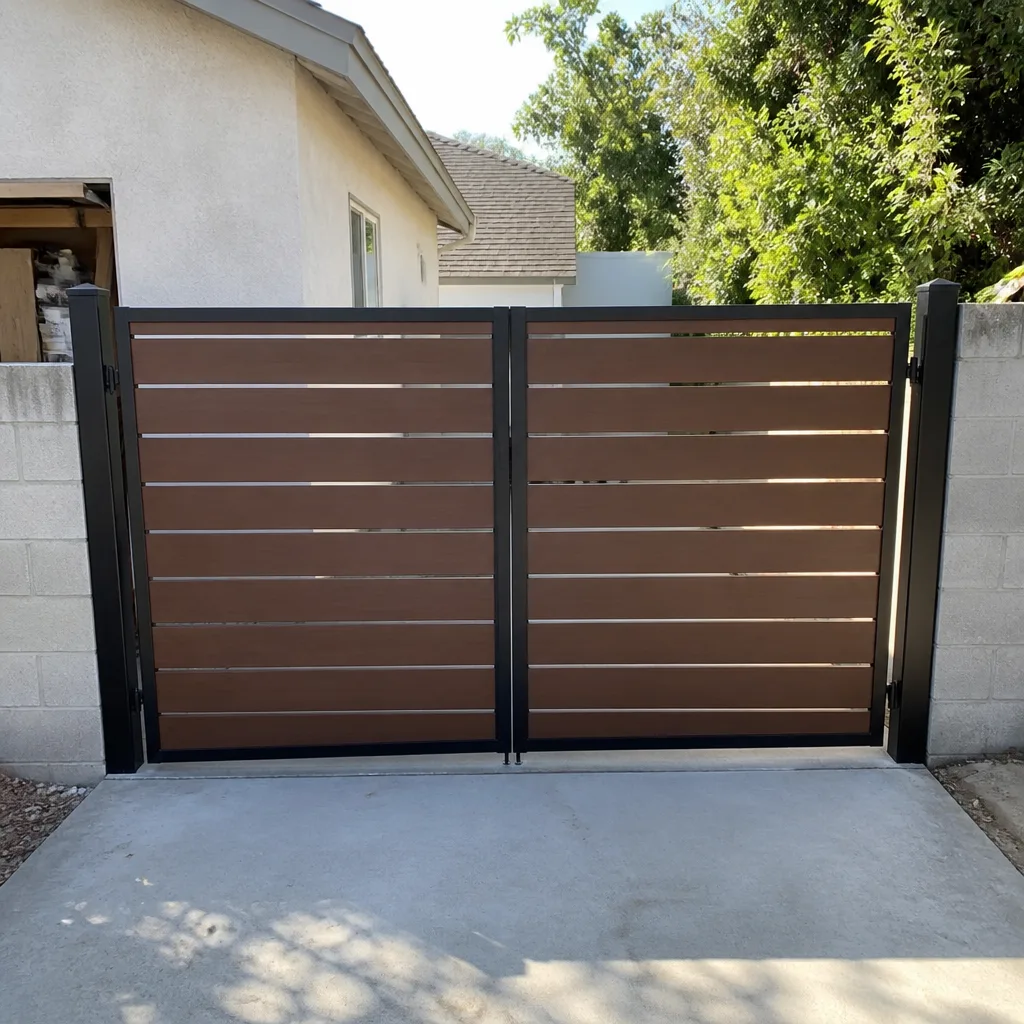
See the difference
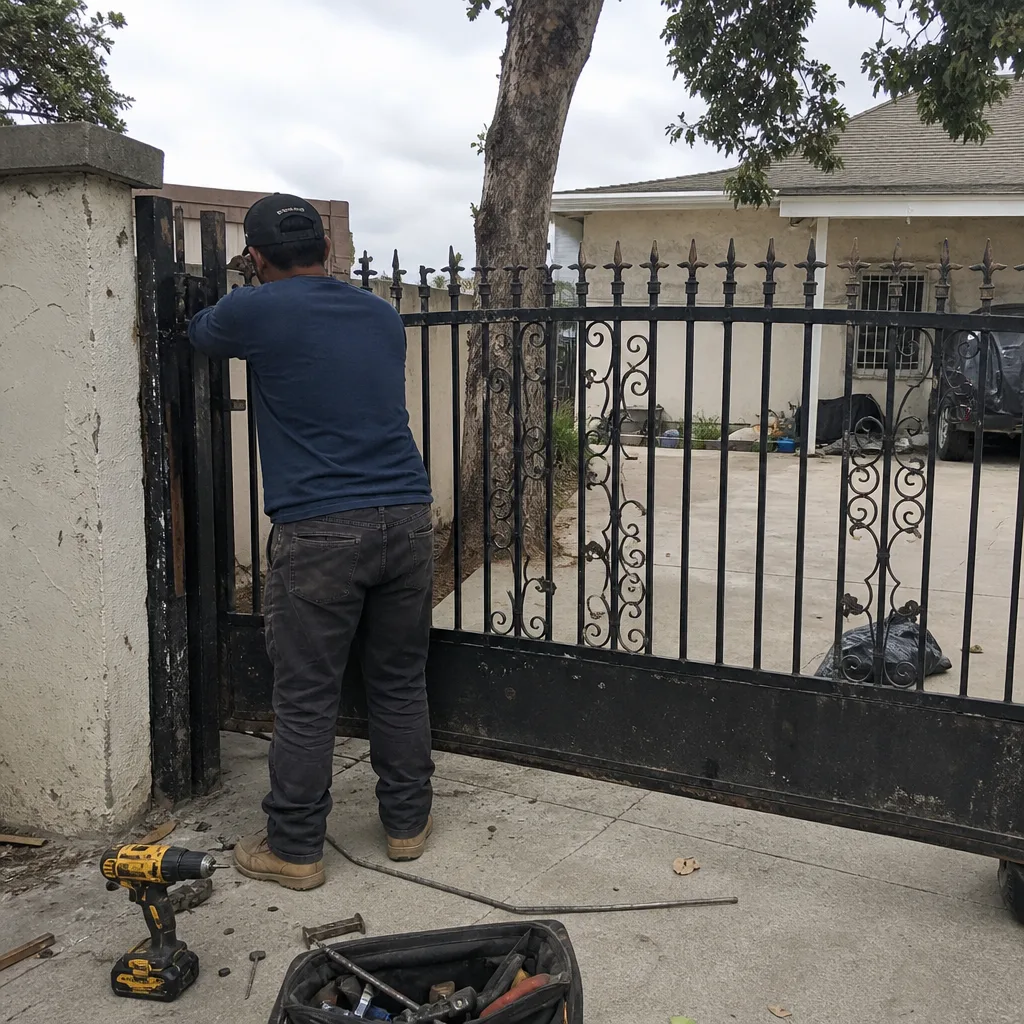 Before
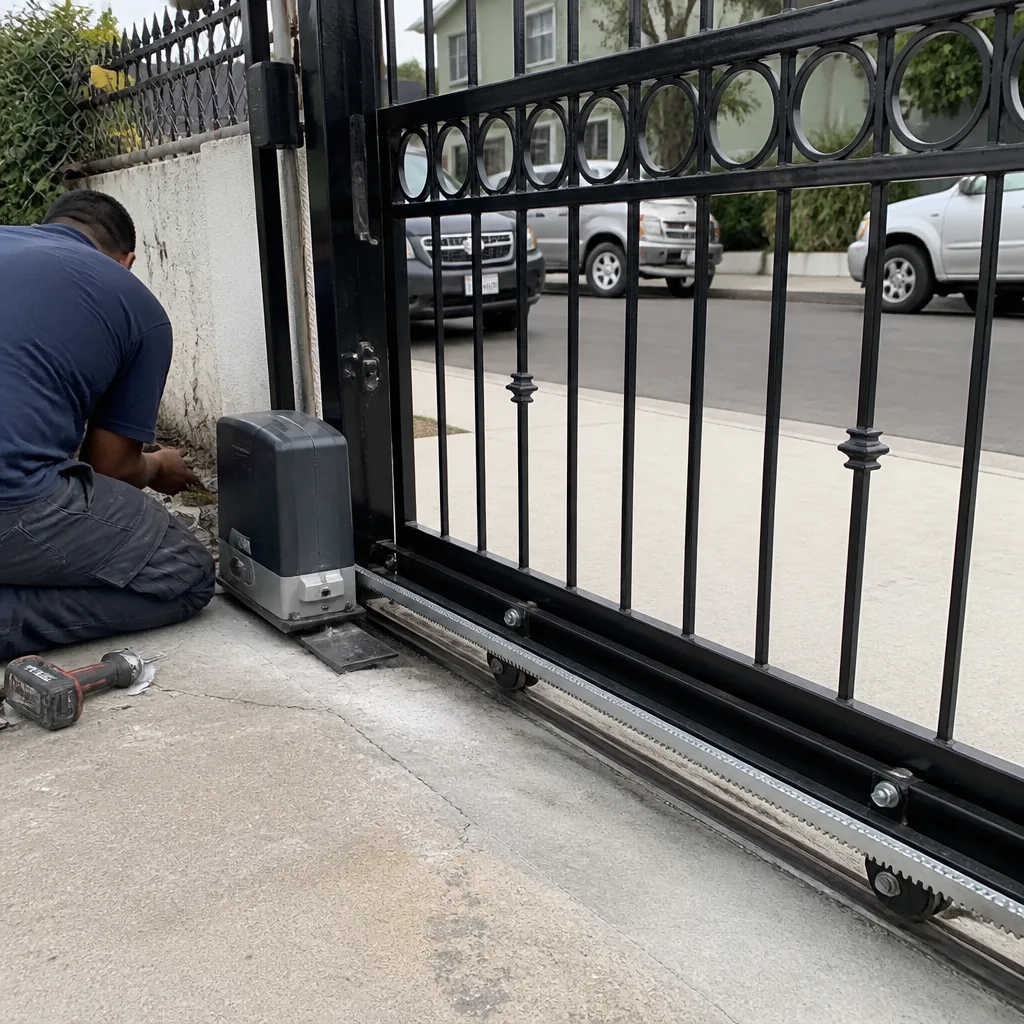 After
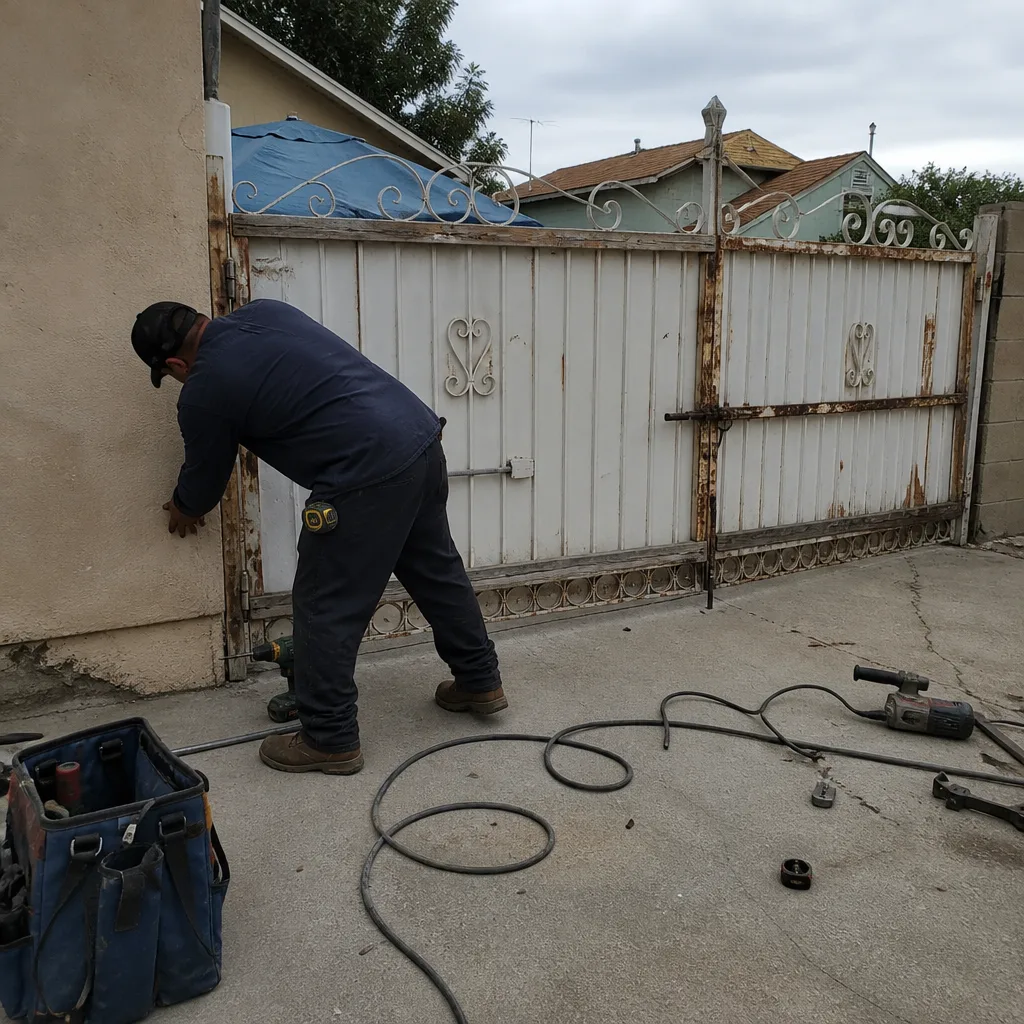 Before
 After
 Before
 After