
Last updated November 2, 2026
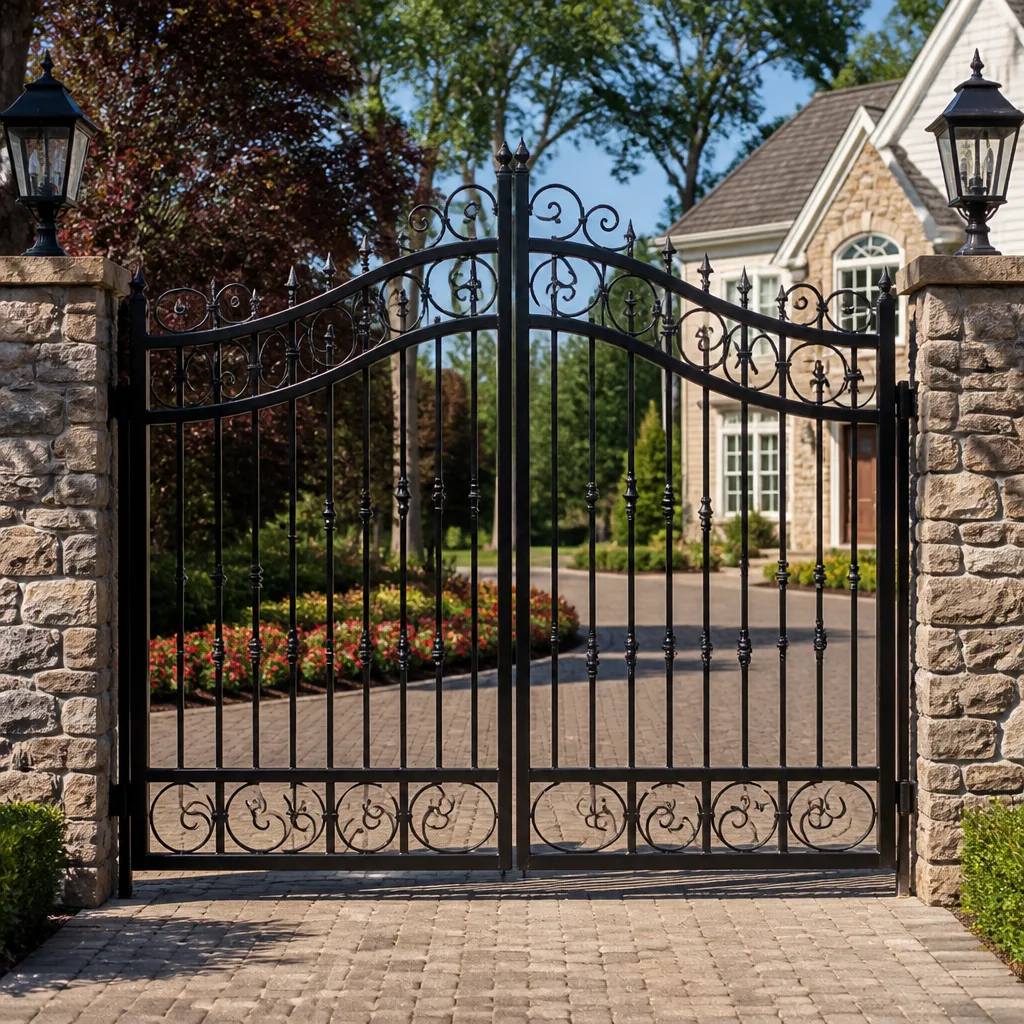 Wrought iron
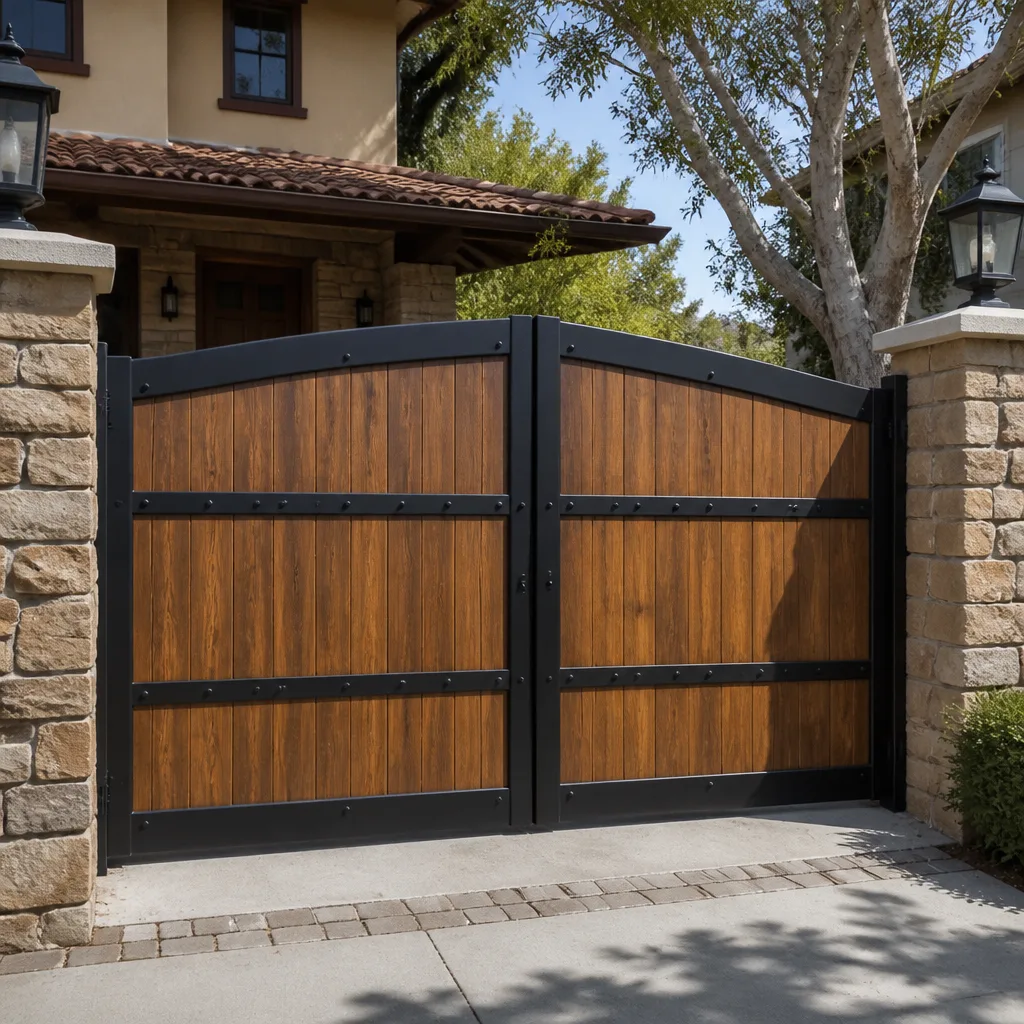 Wood & steel frame
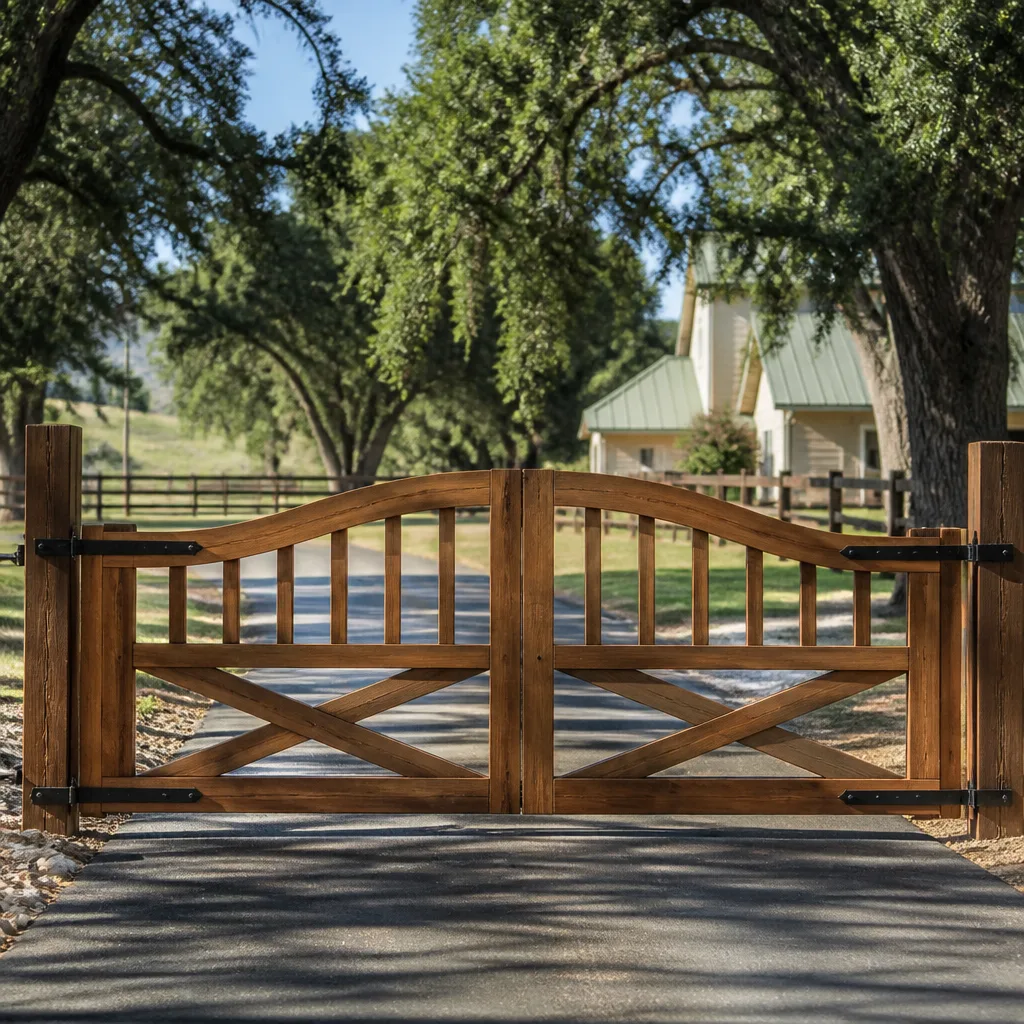 Farm & ranch
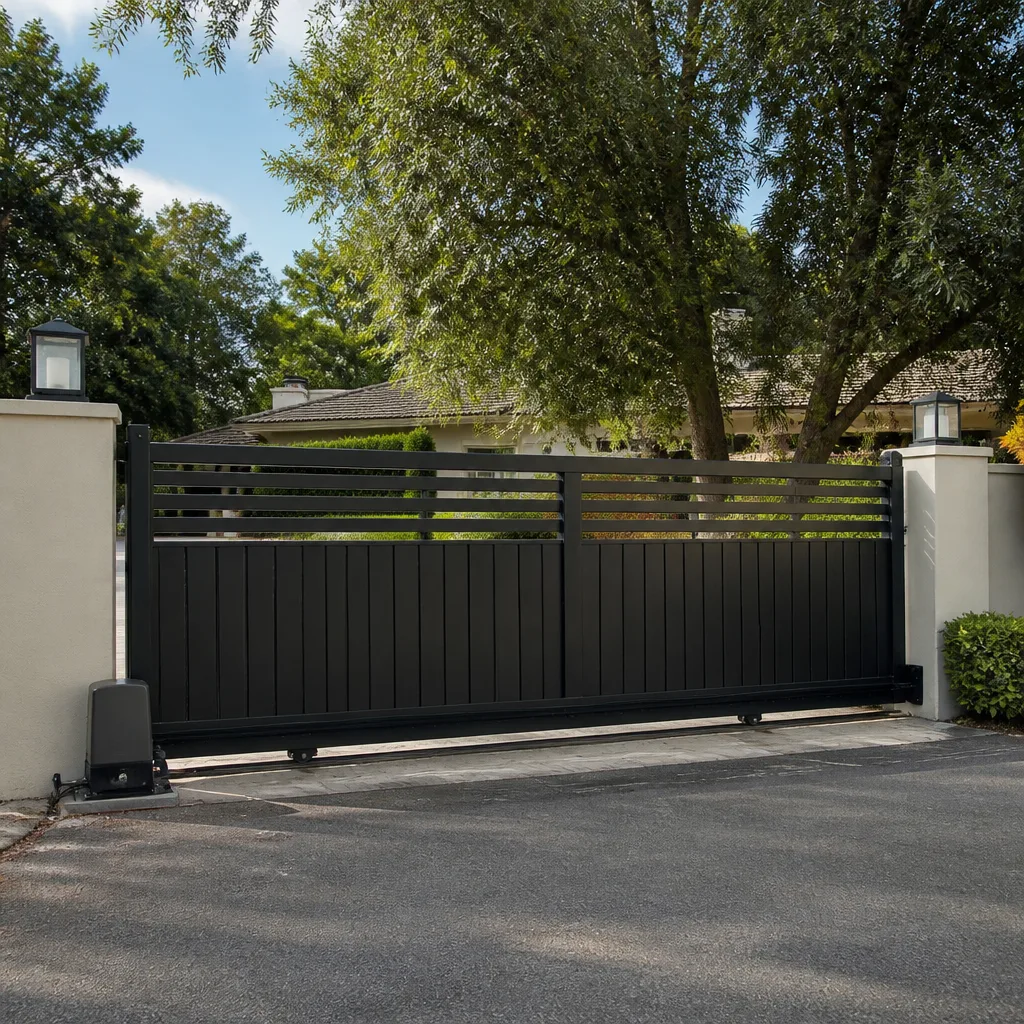 Sliding driveway gates
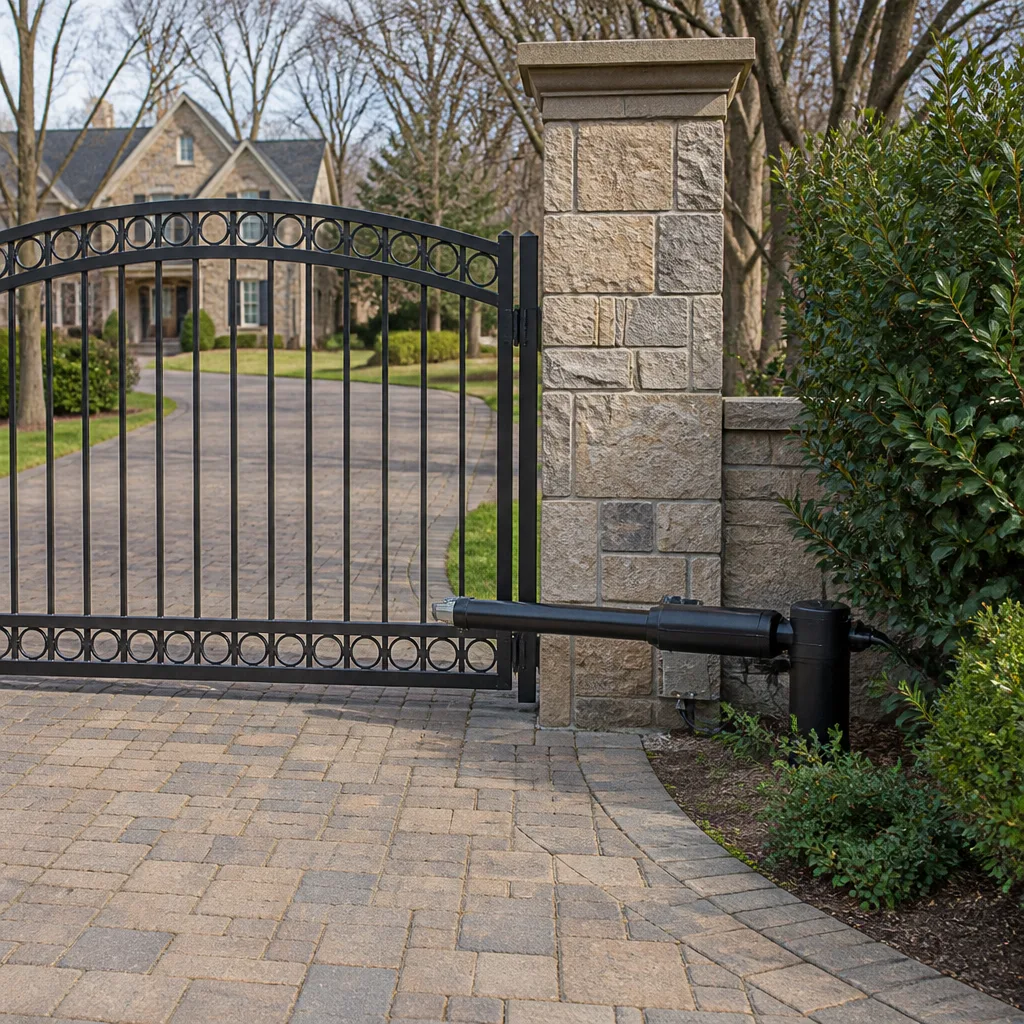 LiftMaster operators
Free on-site gate assessment - hinges, posts, and your LiftMaster or Nice gate operator checked before anything is quoted
The assessment is free and the quote is the invoice.
Get your free estimateGate Repair Emergency Preparedness Guide for East Los Angeles Homes
During the last major power outage event in East Los Angeles, a striking number of calls to gate companies came from residents who couldn’t exit their own driveways. Not because the gate was broken, but because they had never been shown the manual release, a 10-second procedure buried in an operator manual sitting in a kitchen drawer. An automated gate that fails at the wrong moment, whether from an earthquake, a vehicle strike, a dead control board, or a blackout, can trap residents inside a property or block emergency vehicle access. This guide from Gate Repair East Los Angeles home builds a preparedness protocol before you need it.
Quick Answer
The most important emergency preparation for an East Los Angeles gate is knowing how to operate your operator’s manual release and confirming you can do it in the dark. Every electric gate has a mechanical release mechanism that disengages the motor so the gate can be pushed open by hand. If you do nothing else, locate your operator model, find the release lever or key, and practice using it once a year.
Styles & brands we work with
- Wrought iron
- Wood & steel frame
- Farm & ranch
- Sliding driveway gates
- LiftMaster operators
Table of Contents
- How to Operate the Manual Release on Five Common East LA Gate Operators
- Battery Backup: What Actually Works in a Southern California Heat Environment
- Earthquake-Specific Gate Risks in East Los Angeles
- Emergency Access Protocol for Property Managers and HOAs
- The Emergency Escalation Sequence: Who to Call and in What Order
- Power Outage Playbook for East LA Homes
- Vehicle Strike and Physical Damage: What to Do in the First Hour
- Sensor, Board, and Wiring Failures: Diagnosing the Problem Before You Call
How to Operate the Manual Release on Five Common East LA Gate Operators
In East Los Angeles, the gate operators we see most often are LiftMaster, Viking, DoorKing, Ghost Controls, and Elite. Each has a slightly different manual release mechanism. Knowing yours before an emergency eliminates panic when you need to move the gate without power. This applies whether you have a slide gate, a swing gate, or a barrier arm.
The fundamental principle is identical across all brands: the operator motor connects to the gate through a drive mechanism, and the manual release disconnects that linkage so the gate moves freely by hand. The difference is where the release sits and whether it requires a key.
LiftMaster SL3000 Series (Slide Gate)
- Locate the operator cover. The SL3000 is typically mounted on a concrete pad beside the gate track.
- Find the release handle on the front face of the operator, below the control board compartment.
- The SL3000 uses a T-handle or lever style release. Pull it outward or rotate it counterclockwise depending on the specific model year.
- Once released, the gate can be pushed manually along its track. It will roll with moderate effort.
- To re-engage, push the release handle back to its original position and jog the gate slightly until the drive gear seats.
The SL3000 release is spring-loaded on newer units. Older units may require a firm pull. If the handle won’t budge, do not force it. Dirt and corrosion around the release pin are common in East LA’s dry, dusty conditions, and a seized release mechanism should be serviced by a Gate Repair in East Los Angeles specialist rather than forced.
Viking M-100 (Slide Gate)
- The Viking M-100 has a front access cover secured with two screws or a padlock depending on installation.
- Inside, the release mechanism is a horizontal lever bar with a red or yellow grip.
- Pull the lever toward you until it stops. You will feel a mechanical click as the chain sprocket disengages.
- The gate is now free to roll manually.
- To restore operation, push the lever back firmly and verify the gate moves under motor power at least a few inches.
Viking operators are built for continuous-duty commercial and HOA applications, which means the release mechanism is heavier than residential-grade units. It may require two hands. This is by design, not a defect.
DoorKing 1812 (Slide or Swing Gate)
- The DoorKing 1812 release is accessed through the operator’s front door, which is typically keyed.
- Inside, locate the silver release lever on the upper right of the chassis.
- Pull the lever down and outward. You will hear the gear disengage from the chain or arm.
- The gate moves freely once released.
- Re-engage by pushing the lever back to vertical and briefly cycling the operator with the control button.
DoorKing is one of the brands we work on regularly in East Los Angeles because it is so widely installed on multi-unit properties and commercial lots. The 1812 release lever is mechanically simple but requires a key to access, which means property managers must ensure that key is stored somewhere other than inside the operator housing.
Ghost Controls (Swing Gate)
- Ghost Controls arms have a quick-release pin on the side of the arm where it connects to the gate bracket.
- Pull the pin out by the ring. The arm separates from the gate bracket.
- With the arm disconnected, the gate swings freely by hand.
- To re-engage, align the arm back to the bracket and insert the pin fully.
Ghost Controls systems are popular for residential swing gates in East LA because they run on battery power and install without a dedicated electrical line. That battery itself is part of the emergency picture, which we cover below.
Elite Series (Slide or Swing Gate)
- Elite operators, commonly the SL-3000 or CSW200 models, have a release handle directly on the side of the chassis.
- Pull the T-handle straight out. This disengages the internal gearbox.
- The gate can now be pushed manually.
- Re-engage by pushing the handle in while gently moving the gate until the gears mesh.
The release handle on Elite operators is exposed to the elements, and in East LA’s sun it can become brittle over time. If the plastic T-handle feels soft or cracked, replace it before an emergency. A broken release handle turns a minor inconvenience into a full our Gate Repair services call.
Battery Backup: What Actually Works in a Southern California Heat Environment
Battery backup on a gate operator is the difference between a compliant, safe exit during a blackout and a locked driveway. But not all backups are equal, and the Southern California heat environment in East Los Angeles has a real effect on battery longevity and runtime.
Several of the systems we service support battery backup natively. Others require an add-on module. Here is what we see in the field:
- LiftMaster SL3000: Supports battery backup natively on current models. The battery tray is inside the operator chassis. Expect a code-compliant runtime of roughly 8 to 12 hours of standby with a handful of open/close cycles during an outage. In heat above 95 degrees, which East LA sees regularly in August and September, expect that runtime to fall toward the 6-hour end of the range.
- Viking M-100: Battery backup is available via an external enclosure. Viking systems do not include it by default. The add-on enclosure can hold two sealed lead-acid batteries, which in a Southern California summer provide roughly 6 to 10 hours of usable standby.
- DoorKing 1812: Does not support battery backup natively. DoorKing offers a separate UPS module intended for access control, not for the gate operator motor. For emergency egress, a DoorKing gate without a backup will fail closed unless the manual release is used.
- Ghost Controls: Runs on a 12V battery by design. This is the system’s primary power source, not a backup. A fully charged Ghost Controls battery typically provides several days of normal use. In East LA heat, battery replacement is generally needed every 2 to 3 years versus the 3 to 4 years seen in cooler climates.
- Elite Series: Several Elite models accept battery backup internally. The CSW200 is designed for it. Expect 8 to 10 hours of standby under moderate temperatures, slightly less during a heat wave.
The takeaway: if you own a DoorKing 1812 or an older Viking, your emergency plan absolutely must include the manual release procedure, because the electronics will not save you in a blackout. BFT and Linear operators, which we also service, follow similar patterns: some support internal batteries, and some require external modules that most East LA homeowners never discover until the power is already out.
What Kills Gate Backup Batteries in East LA
The heat is the primary killer. A sealed lead-acid battery stored inside a metal operator housing on an East LA summer day can see internal temperatures above 130 degrees. That dramatically shortens the battery’s life, which is why a backup that tested fine in January may fail during a September blackout. If you want a functional backup, plan for battery replacement every two years in this climate regardless of what the manufacturer claims as service life.
Earthquake-Specific Gate Risks in East Los Angeles
East Los Angeles sits in a seismically active zone, and a gate that has survived years of normal operation can fail immediately after even a moderate seismic event. The failure is often invisible. A post can shift by a few millimeters, which is enough to misalign a slide gate’s track wheels or bind a swing gate’s hinges. The gate looks fine. It is not fine.
We have seen this pattern in neighborhoods across East LA after events that did not even crack drywall. An automated gate is a precision mechanical system. The clearances between the gate, the track, and the operator are tight by design. Seismic ground movement can shift a post, and that shift cascades into the drive system.
Specific risks in East Los Angeles:
- Soil composition: Much of East LA has expansive clay soil, which shifts with moisture and seismic activity. Gate posts set in concrete can heave slightly, and a heave of half an inch is enough to bind a cantilever slide gate.
- Older gate installations: Many East LA properties have gates that were installed decades ago, often without modern seismic anchoring or post reinforcement. These are the first to fail in an event.
- Cantilever vs. track slide gates: A cantilever slide gate rides on rollers inside a frame without a ground track. A track slide gate runs wheels along a metal rail laid on the ground. If the ground shifts beneath a track-style gate, the rail can bend or separate, and the gate will not move even if the operator is fine.
- Swing gates: A swing gate on shifted hinges will drag on the ground or fail to close against the striker. The operator may then fault out repeatedly and eventually burn a fuse or damage a gear.
Post-Earthquake Gate Checklist
- Check that the gate moves at all in manual mode before testing it with the operator.
- Inspect the support posts visually for any new gap between the post and the surrounding concrete or soil.
- Look for fresh rust or metal dust along the track, hinges, or drive chain, which indicates new metal-on-metal contact.
- Listen for grinding or scraping during a manual open and close. If it scrapes, do not run the motor.
- If the gate binds or scrapes, call an Electric Gate Repair in East Los Angeles specialist before using the operator. Running a misaligned gate under motor power will destroy a gearbox or chain sprocket.
The cost of a post-shift repair is modest compared to the cost of a full operator replacement after a homeowner keeps cycling a bound gate for a week. Early intervention matters.
Emergency Access Protocol for Property Managers and HOAs
Property managers and HOAs in East Los Angeles face a different set of emergency gate problems than single-family homeowners. A gate failure at a multi-unit property is no longer a personal inconvenience. It blocks emergency vehicles, traps residents, and creates a legal liability for the association. The time to plan for that is not during the emergency.
The most effective protocol we recommend has three parts.
- Document the manual release for every gate on the property. Walk each gate, identify the operator model, photograph the release mechanism, and write a one-page instruction sheet. Laminate it and post it inside the gate operator enclosure, not just in an office binder. The person who needs it during an emergency may not have office access.
- Distribute the procedure to every resident. A resident who cannot exit the property during an outage does not care that the board meeting minutes mention gate maintenance. They need to know how to open the gate themselves. A one-page flyer, an email, or a resident portal post covers this. Include a photo of the release and the exact steps.
- Maintain a posted emergency contact protocol. The escalation policy should be clear: who calls whom, in what order, and who has authority to approve emergency repair spending. In our experience, HOAs that have not pre-approved an emergency repair budget lose hours or days while board members are located and a decision is made.
For HOAs in East LA, the most common emergency scenarios are a failed exit loop sensor at a vehicle gate, a dead control board after a power surge, and a physical strike by a delivery truck or moving vehicle. Each of these can be managed faster if the manual release procedure is posted and the escalation path is defined.
The Emergency Escalation Sequence: Who to Call and in What Order
When a gate failure at an East Los Angeles property creates a security or access emergency, the order of calls matters. Calling the wrong person first adds hours to the resolution.
- Call the property’s designated maintenance contact or gate service provider. This is the person or company who already knows the system. For East LA properties, that call should go to a gate specialist who services the operator brand installed on site. A specialist who works on LiftMaster, Viking, DoorKing, BFT, and Linear systems every day diagnoses faster than a generalist who sees one gate a month.
- If the gate is physically damaged by a vehicle strike, call the property’s insurance carrier or the responsible party’s insurer. Document the damage with photos before any repairs begin. The gate company should provide a written damage assessment and a repair quote for the claim.
- If the failure blocks emergency access and cannot be resolved via manual release, contact a 24-hour gate repair provider. In East Los Angeles, emergency gate service is available from dedicated gate companies. The key is describing the operator brand and the failure symptom on the first call so the technician arrives with the right parts.
- If the gate is stuck open and the property is unsecured, secure temporary physical access control immediately. This may mean a temporary barricade, a security patrol request, or a resident notification to avoid leaving vehicles unattended. A gate stuck open is a different emergency than a gate stuck closed, and it often receives less urgency than it deserves.
- Notify all residents or tenants via the property’s standard communication channel. Tell them what happened, whether they can open the gate manually, and what the repair timeline looks like. A silent broken gate generates angry calls and confusion.
Power Outage Playbook for East LA Homes
Power outages in East Los Angeles tend to follow heat waves, high winds, or major storm events. The outage itself is usually brief, but a gate that refuses to move during the outage can feel like an emergency. Here is the playbook we recommend homeowners and property managers follow, with more guides & resources available on our blog.
Step 1: Confirm the Failure Type
Does the gate not move at all, or does it move slowly? A total loss of power typically means the operator is dead. A slow gate during a power event may indicate the battery backup is active and the system is running on reduced voltage. This is useful diagnostic information for the technician.
Step 2: Try the Manual Release
Every automatic gate can be moved by hand using the release mechanism covered earlier in this guide. If you cannot locate it or cannot move the gate after releasing it, stop. Do not force the gate. The problem may be a mechanical bind, not an electrical outage, and forcing a bound gate can bend a hinge or snap a chain.
Step 3: Check the Breaker
Gate operators in East LA are typically wired to a dedicated or shared breaker in the main panel or a subpanel. A power surge from the grid can trip the breaker. Reset it once. If it trips again immediately, leave it off and call a gate technician. A repeated trip indicates a short in the operator motor or control board.
Step 4: Secure the Property
If the gate is stuck open, prioritize security. If it is stuck closed and no one needs to exit, leave it closed. A closed gate is a secure gate. The emergency is access, not the gate itself.
Vehicle Strike and Physical Damage: What to Do in the First Hour
A vehicle striking a gate in East Los Angeles is a common occurrence. Delivery trucks, moving vans, and residential vehicles all misjudge the turning radius or the gate speed. The first hour after the strike determines whether the repair is a straightforward bracket replacement or a full gate rebuild.
Here is the recommended sequence:
- Document everything. Photograph the gate, the operator, the vehicle if present, and any visible damage from multiple angles. This is for the insurance claim.
- Shut off power to the operator at the breaker. A bent gate frame or a compromised drive chain can cause the operator to tear itself apart if it cycles. Turning off power prevents further mechanical damage.
- Check that the gate is stable. A swing gate that has been struck may be hanging partially from a bent hinge. Do not stand under it or attempt to move it by hand if it appears structurally compromised.
- Call a gate specialist with a written damage assessment. The assessment should identify what is damaged, what must be replaced, and what can be salvaged. For East LA properties, a specialist who works on the full range of systems, including gate installation, can offer a repair-versus-replace recommendation in the same visit.
The most commonly damaged components in a vehicle strike are the gate frame itself, the hinge or track assembly, the operator arm or chain, and the safety edges. The most commonly overlooked component is the gate’s foundation. A hard strike can crack the concrete footing, and repairing a gate on a cracked footing is wasted money.
Sensor, Board, and Wiring Failures: Diagnosing the Problem Before You Call
Not every gate emergency involves a dramatic failure. Many of the calls we take from East Los Angeles residents start with a gate that simply stopped responding, or a gate that opens but will not close, or a gate that reverses for no reason. These are almost always sensor, board, or wiring problems, and knowing how to describe the symptom saves time.
Gate Opens But Will Not Close
A gate that opens and then stops, or opens and immediately reverses, is typically a safety sensor problem. The photo eye or safety edge is detecting an obstruction that is not there. This can be a misaligned photo eye, a dirty lens, a damaged safety edge, or a wiring fault. It is rarely the control board. Blow the dust off the photo eye lenses, check that they are aimed at each other, and call a technician if the problem persists.
Gate Does Not Respond to Remote or Keypad
If the gate does not move from any input, the problem is usually the control board. If it moves from one input but not another, the problem is the input device or its receiver. A Linear or BFT system with a dead remote battery will not respond to that remote but will still respond to the hardwired keypad or pushbutton. Test multiple inputs before assuming the board is dead.
Gate Moves Erratically or Stops Mid-Travel
This pattern often points to a limit switch problem, a damaged gear, or a wiring harness that has chafed against the gate frame. In East LA’s dry climate, sun-brittled wire insulation is a common culprit. A wire that shorts intermittently against the gate causes erratic behavior that is hard to reproduce, which is why a careful diagnostic process matters.
In our experience, the most cost-effective approach is a systematic diagnosis: motor first, then control board, then sensors, then wiring. We identify the root cause before recommending a single repair, which avoids the parts-fishing approach that runs up a bill without fixing the problem.
Common Mistakes to Avoid
- Never attempting the manual release until the emergency happens. The time to learn the procedure is during a calm afternoon, not at 6:15 a.m. when you are late for work and the power is out. Practicing once takes ten minutes and eliminates the panic.
- Forcing a gate that is binding or scraping. A gate that does not move freely in manual mode will destroy its operator if you keep running the motor against the bind. This turns a $200 alignment repair into a $1,500 operator replacement.
- Ignoring a slow-moving gate for weeks. A gate that has gradually slowed down is telling you something. Low hydraulic fluid, worn gears, or a failing capacitor are all slow-gate symptoms, and they all get more expensive the longer they are ignored.
- Assuming battery backup is maintenance-free. In East LA’s heat, backup batteries fail faster than the manual suggests. Testing once a year and replacing every two years is the realistic standard for this climate.
- Letting vegetation grow against a gate or its safety edges. East LA’s growing season is long, and a plant that brushes against a safety edge will cause phantom reversals. Keep the gate path clear.
- Hiring a generalist to save money on a specialized gate system. We see the result regularly: a gate that works for a month and then fails again because the root cause was never found. A gate specialist who works on LiftMaster, Viking, DoorKing, BFT, Linear, and Ghost Controls systems every week is not guessing.
- Declining the written damage assessment after a vehicle strike. Insurance companies require documentation. A verbal estimate is not enough when the claim is filed, and reconstructing the damage two weeks later is impossible.
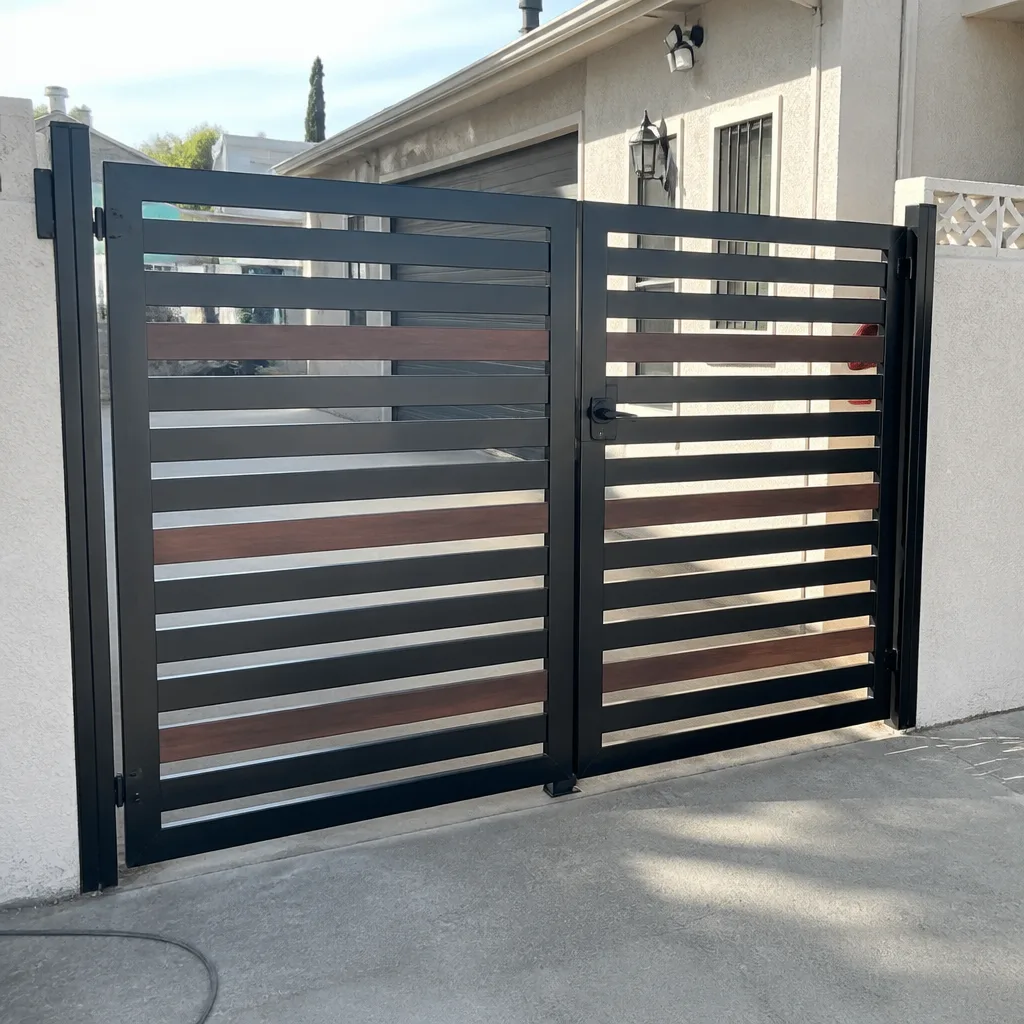
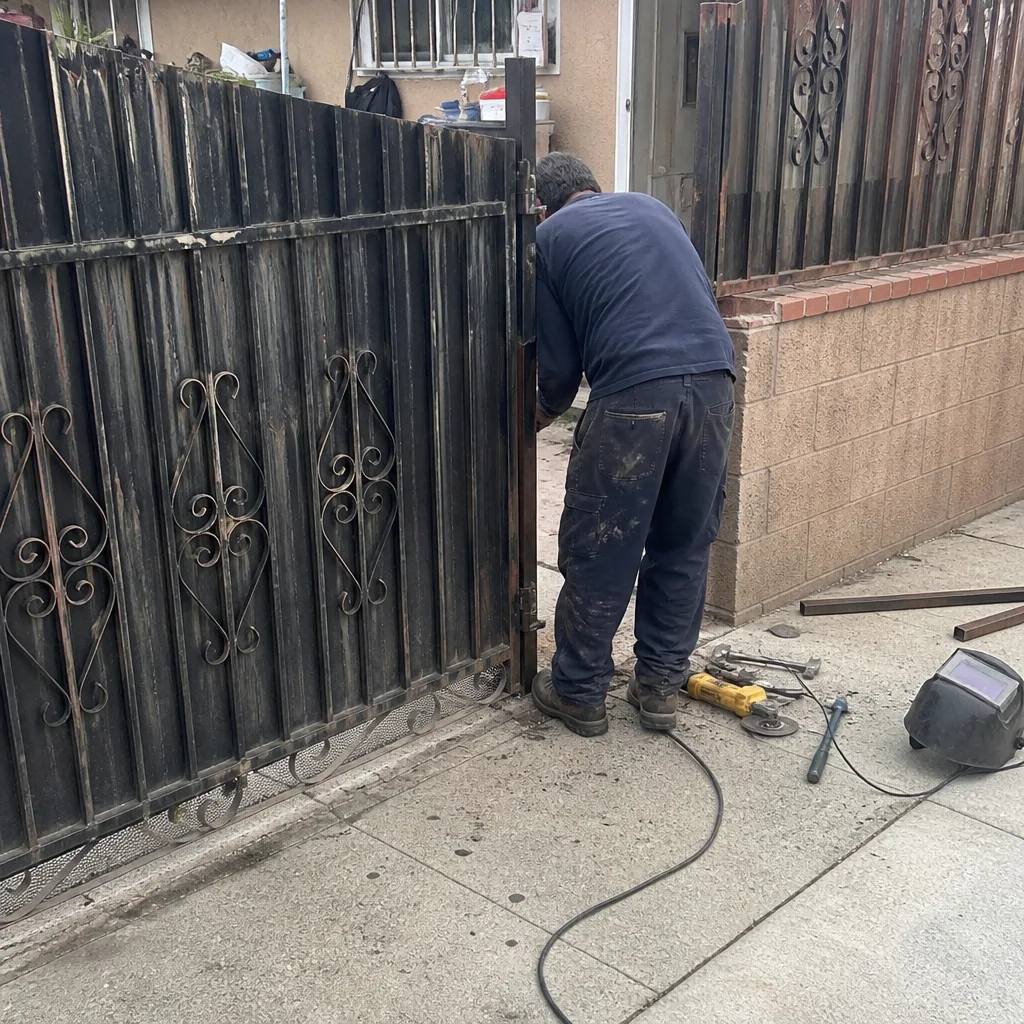
See the difference
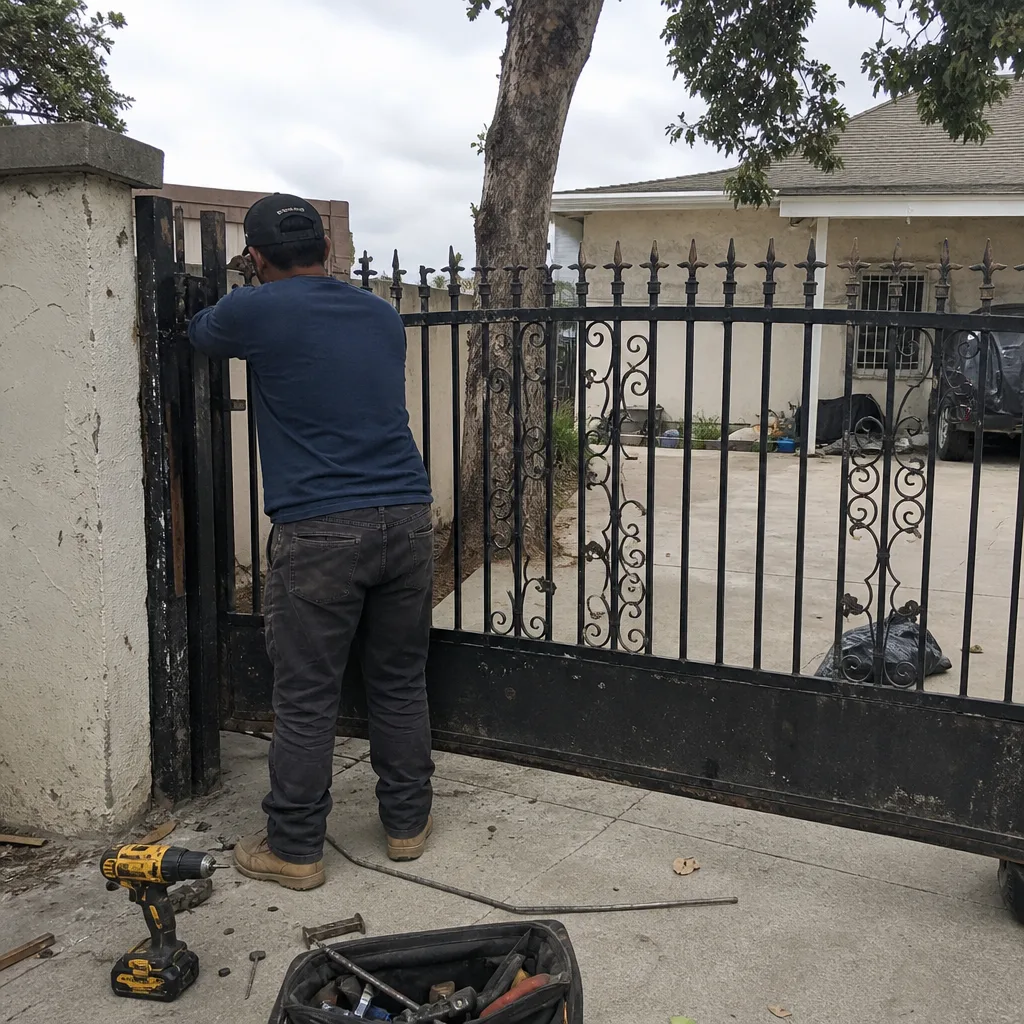 Before
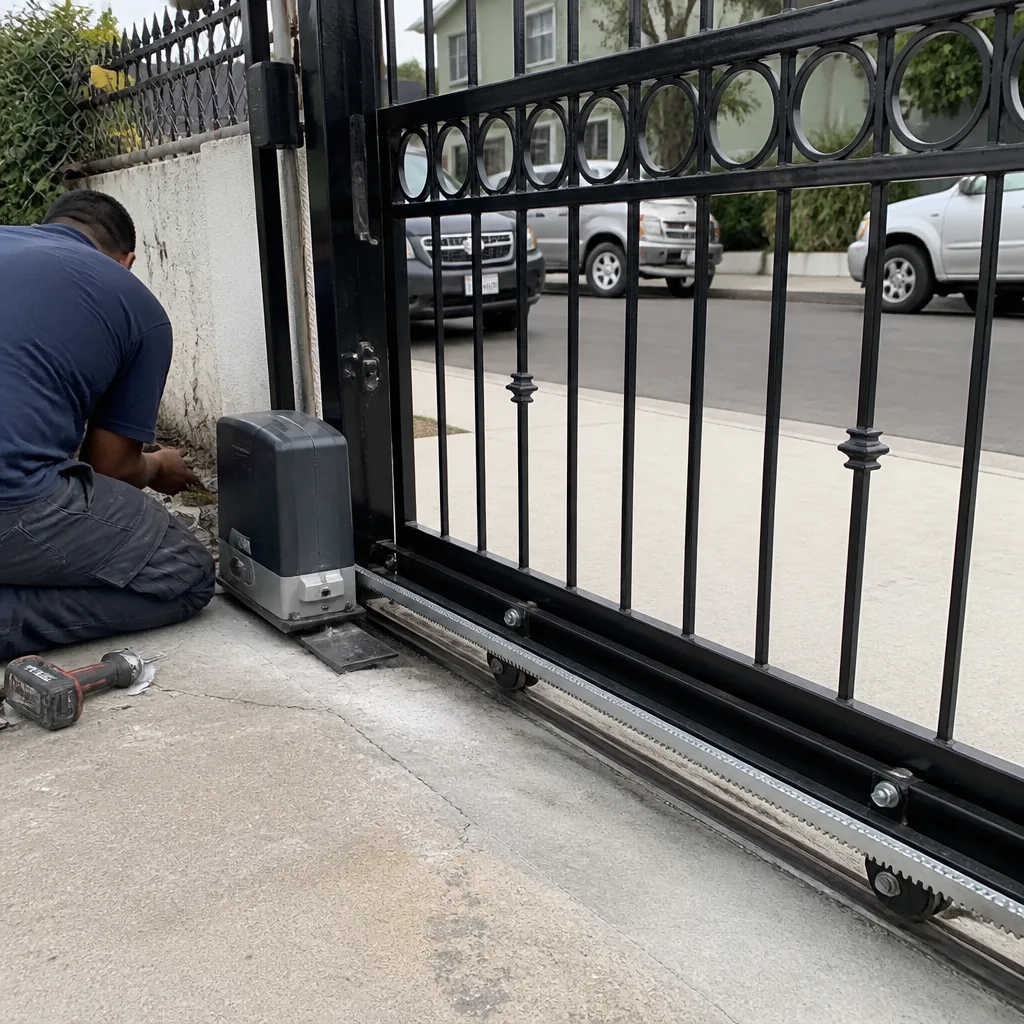 After
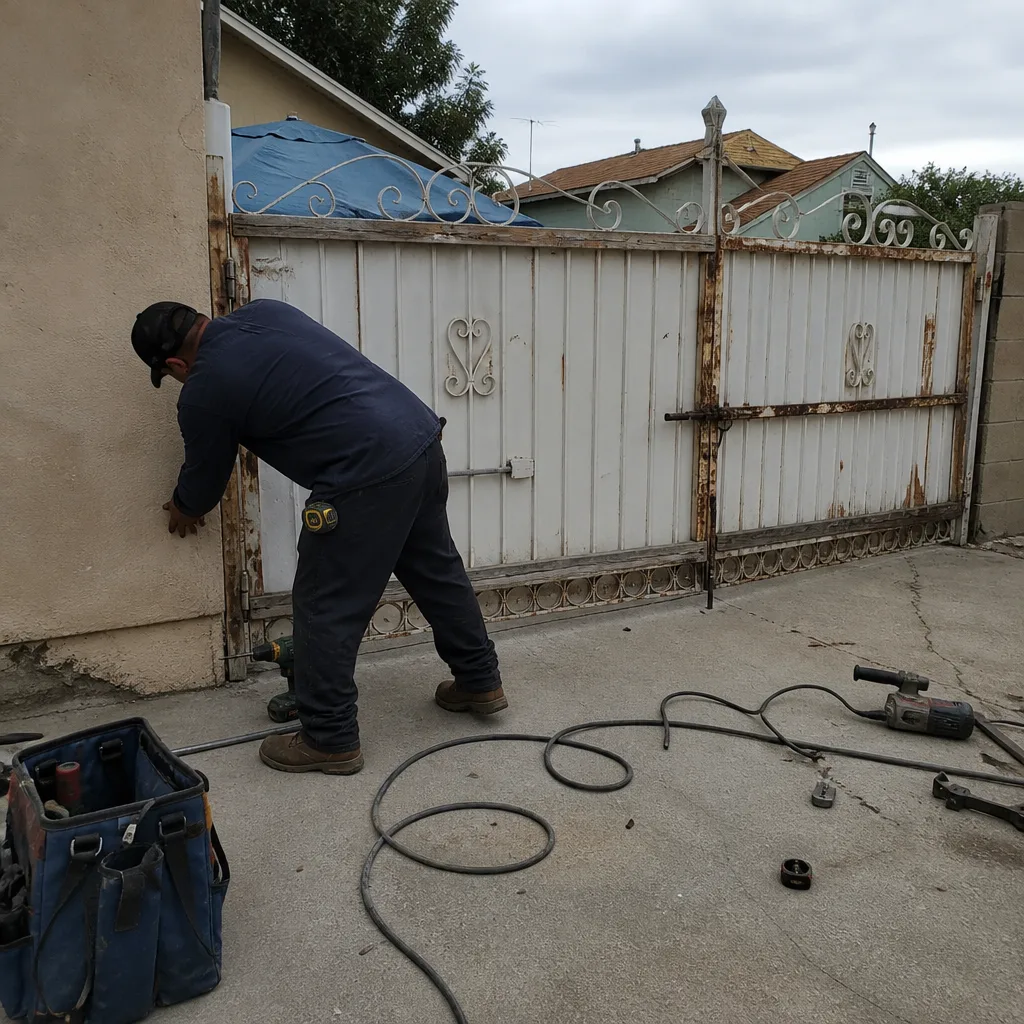 Before
 After
 Before
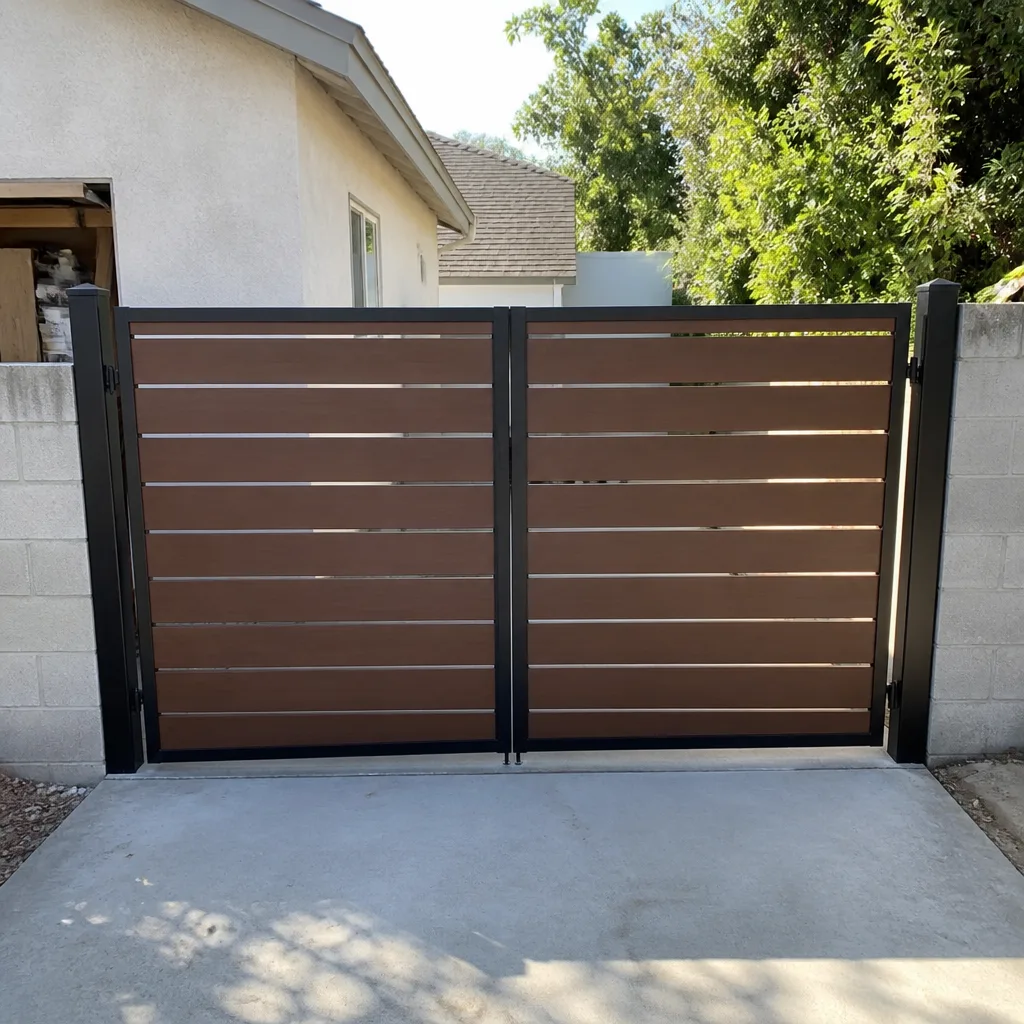 After
When to Call a Professional
Some gate problems are worth attempting on your own: a tripped breaker, a dead remote battery, a dirty photo eye. Others are not. Call a gate specialist when you see physical damage to the gate, the operator, or the track; when the gate makes grinding, popping, or squealing sounds; when the operator hums but the gate does not move; when a breaker trips repeatedly; or when the gate moves on its own or reverses unpredictably. Electrical work on an automated gate operator involves high voltage at the motor and sensitive electronics on the control board, and an untrained repair can create a shock hazard or destroy the board. Gate Repair East Los Angeles offers free estimates in East Los Angeles. Call (833) 620-4315 to schedule a diagnostic.
Frequently Asked Questions
Every electric gate has a manual release mechanism that disconnects the operator from the gate so it can be pushed or pulled by hand. The exact procedure depends on your operator brand and model. For LiftMaster, DoorKing, Viking, Elite, and Ghost Controls systems, the release is typically a lever, T-handle, or pull pin located on or inside the operator housing. If you have not practiced the procedure before, do it now, not during the outage. Call (833) 620-4315 and we can walk you through your specific model over the phone.
Emergency gate repair in East Los Angeles typically ranges from $150 to $450 for common fixes like a dead battery, a misaligned sensor, or a manual release adjustment, while more involved repairs like a control board replacement or a motor rebuild can run $600 to $1,800 depending on the brand and the damage. The exact price depends on the operator model, whether parts are in stock, and whether the gate has sustained physical damage. The quote is always agreed before any work starts. Call (833) 620-4315 for an exact estimate, which is free.
Turn off power to the operator at the breaker, photograph the damage thoroughly from multiple angles, and call a gate technician for a written damage assessment before moving the gate or filing an insurance claim. A struck gate may have hidden frame or footing damage that is not visible until the gate is examined. Do not run the operator after a strike, even if the gate looks okay.
LiftMaster SL3000 series operators, Elite CSW200 models, and Ghost Controls systems either support battery backup natively or run on battery power by design. Viking systems require an external battery enclosure that is sold as an add-on. DoorKing 1812 operators do not support motor battery backup and require the manual release for outage operation. Battery runtime in East LA heat is typically shorter than manufacturer claims, so test and replace batteries regularly.
Yes. A moderate seismic event can shift a gate post by a few millimeters, which is enough to bind a slide gate on its track or misalign a swing gate on its hinges. The gate looks fine because the damage is in the alignment, not the visible structure. If your gate scrapes, binds, or moves differently after an earthquake, shut off the operator and have a specialist check the alignment before the motor is damaged.
Test the manual release once a year, and test the battery backup every six months, especially in East Los Angeles where summer heat shortens battery life, following our Gate Repair Maintenance Checklist for East Los Angeles Homeowners. A backup battery that tested fine in January can fail in September. The test is simple: cut power to the operator at the breaker and confirm the gate opens manually and the battery takes over. If the battery does not hold the gate through several open/close cycles, plan for a replacement.
The Bottom Line
East Los Angeles gate emergencies follow predictable patterns: power outages, vehicle strikes, seismic shifts, and the slow deterioration of operator components in the heat. The difference between a minor inconvenience and a genuine emergency is almost always preparation. Know your operator’s manual release and practice it. Check your battery backup twice a year. Document the manual release procedure for every resident or tenant at a multi-unit property. And keep the contact information for a dedicated gate specialist where you can find it at 6 a.m. on a Tuesday. A gate that fails is stressful. A gate that fails while you know exactly what to do is just a repair.
Written by the team at Gate Repair East Los Angeles, serving East Los Angeles since 2014.