
Last updated November 3, 2026
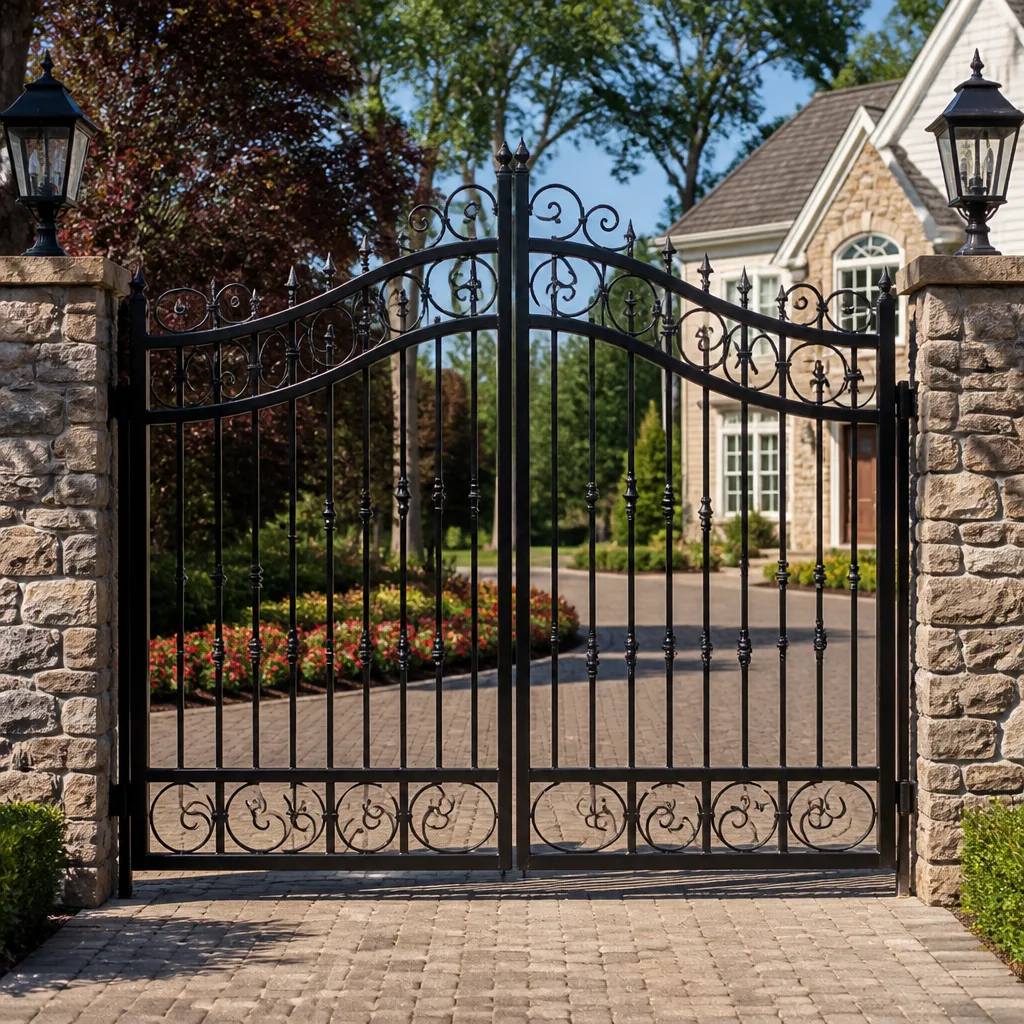 Wrought iron
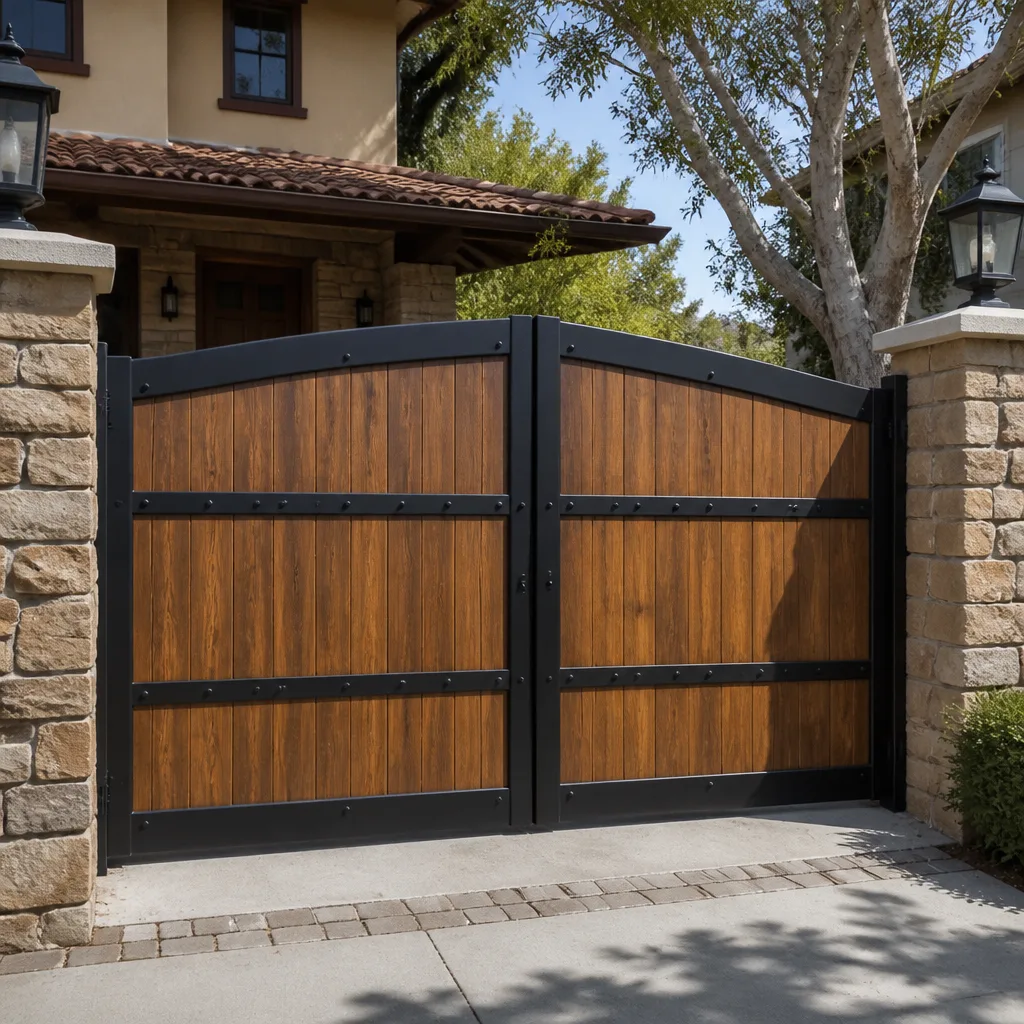 Wood & steel frame
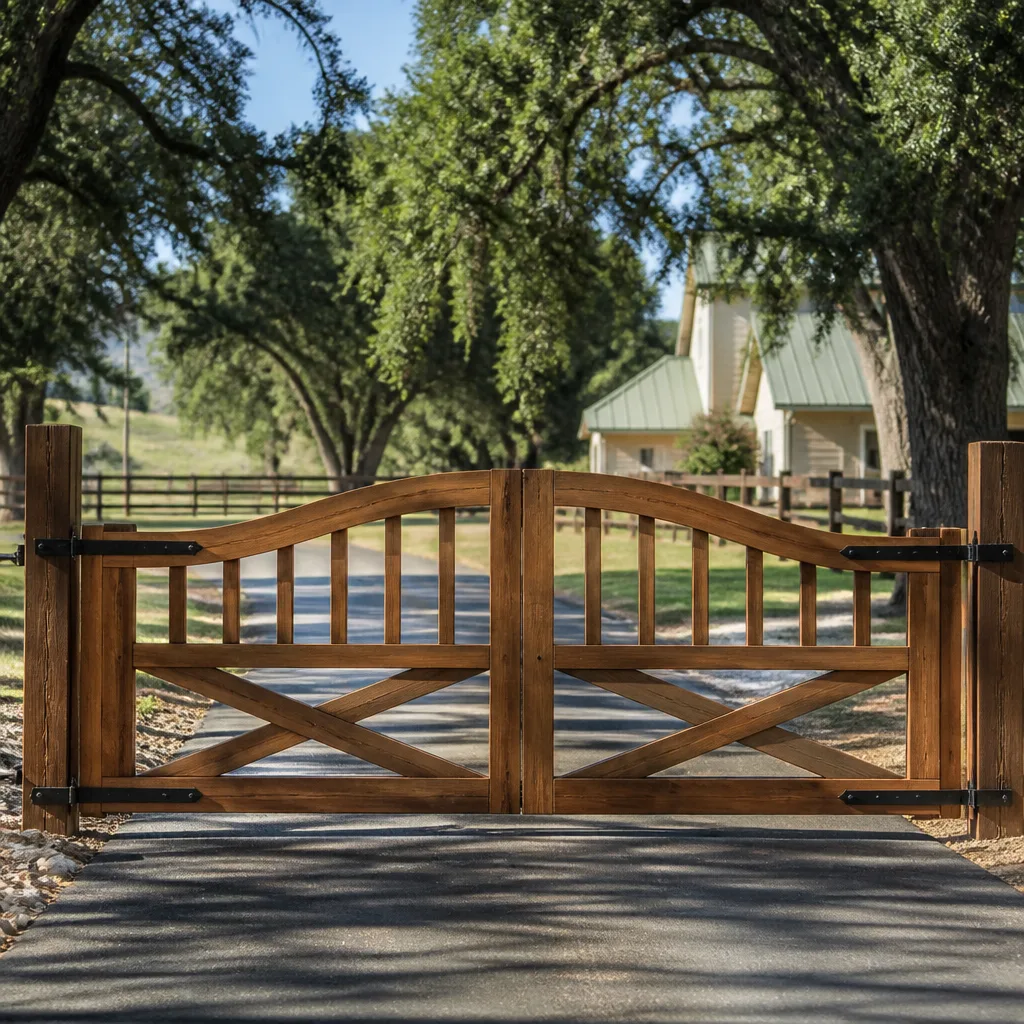 Farm & ranch
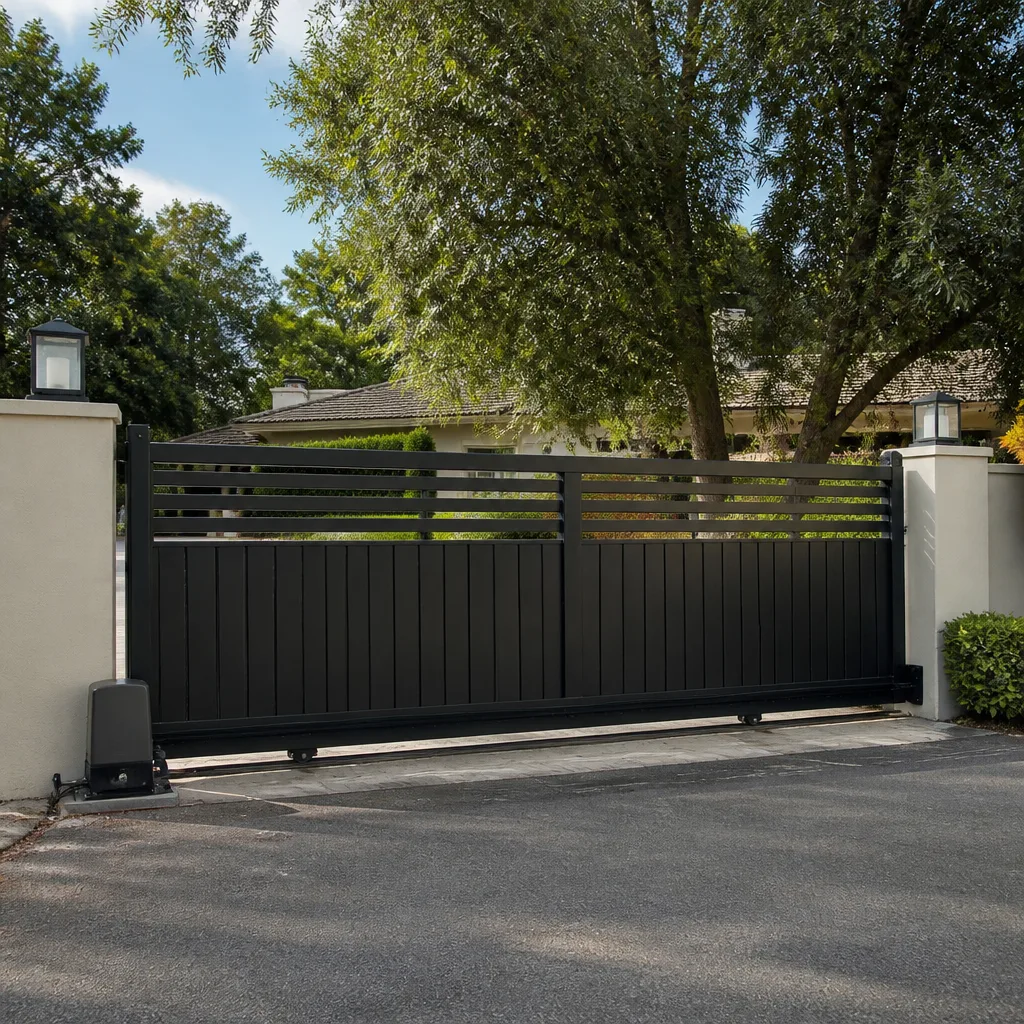 Sliding driveway gates
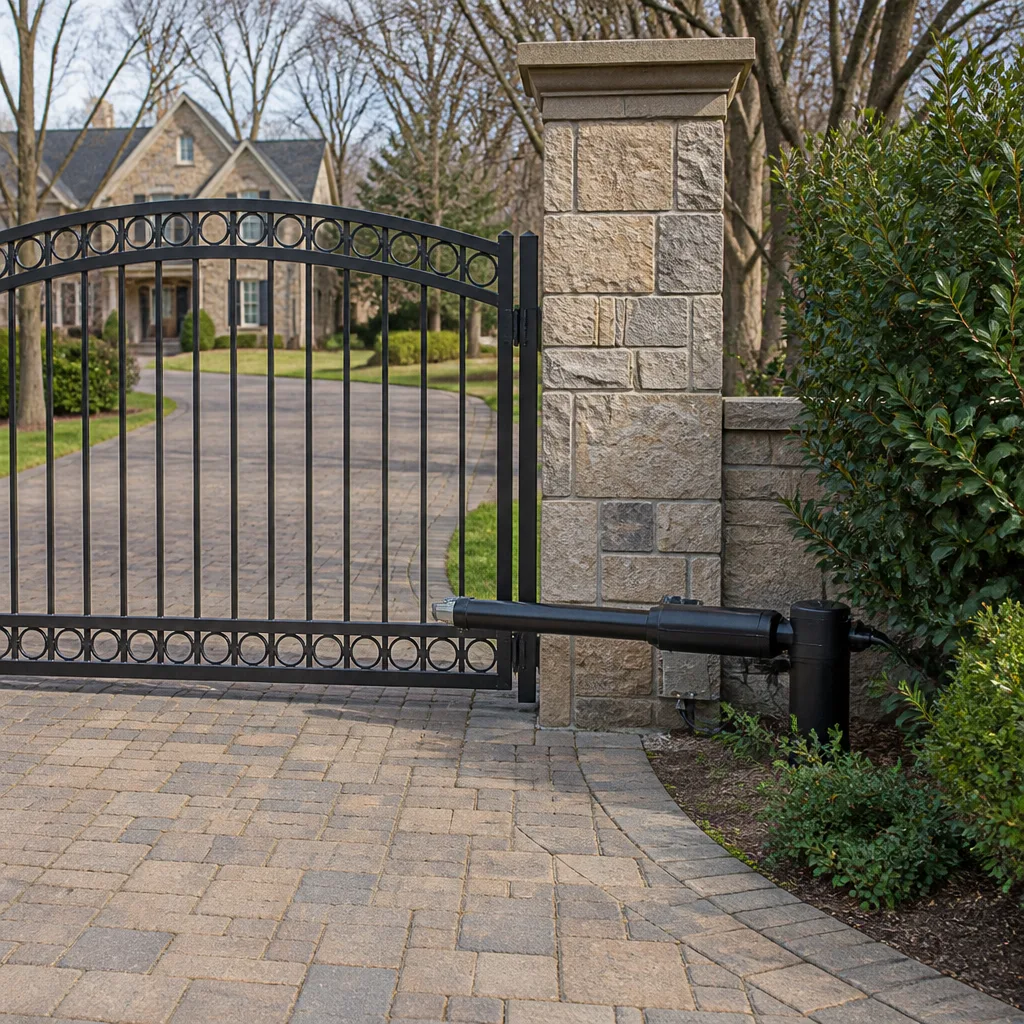 LiftMaster operators
Free on-site gate assessment - hinges, posts, and your LiftMaster or Nice gate operator checked before anything is quoted
The assessment is free and the quote is the invoice.
Get your free estimateChoosing the Right Gate Repair Brand: A Buyer’s Guide for East Los Angeles
Here’s a fact most gate buyers learn the expensive way: the operator brand your installer chooses often matters more than the gate itself. In East Los Angeles, where properties range from 1920s bungalows with single-swing driveway gates to multi-tenant apartment buildings with high-cycle sliding gates, the wrong brand decision shows up as a board failure in year three, a parts order from overseas in year five, and a full replacement by year eight. This guide breaks down how to match gate operator brands to your specific property type, usage cycle, and access control needs so you don’t pay for the same gate twice, and for The Complete Gate Repair Guide for East Los Angeles Homeowners offers deeper context.
Styles & brands we work with
- Wrought iron
- Wood & steel frame
- Farm & ranch
- Sliding driveway gates
- LiftMaster operators
Quick Answer
The best gate repair brand for your East Los Angeles property depends on how the gate is used. For high-cycle commercial or multi-unit properties, DoorKing and LiftMaster commercial operators hold up best and have strong local parts availability. For residential single-family homes, Viking and Ghost Controls offer the right balance of reliability and cost. For HOAs and gated communities, FAAC and Elite lead on hydraulic durability and access control integration. The most underrated factor in any brand decision is control board replaceability, since board failure is the most common operator repair we see, and proprietary boards can cost as much as a budget operator; see The Complete Gate Repair Guide for East Los Angeles Homeowners for related guidance.
Table of Contents
- How East LA Properties Shape Gate Brand Decisions
- Brand-by-Use-Case Mapping for East Los Angeles
- Parts Availability in the East LA and Greater LA Basin Market
- Control Board Replaceability: The Most Underrated Purchasing Factor
- Access Control Integration: What Your Operator Needs to Support
- Total Cost of Ownership: A 10-Year Calculation
- Common Mistakes to Avoid
- When to Call a Professional
- Frequently Asked Questions
- The Bottom Line
How East LA Properties Shape Gate Brand Decisions
East Los Angeles isn’t one uniform market. It’s a dense mix of single-family homes in City Terrace and El Sereno, duplexes and triplexes in Boyle Heights, and multi-unit apartment buildings along Whittier Boulevard and Olympic Boulevard. Each property type puts different demands on a gate operator, and brands that excel in one category often struggle in another.
We work on gates across this entire spectrum, and a few patterns stand out. Single-family homeowners in East LA usually cycle their gate four to eight times a day, which is light duty by any standard. A well-installed residential operator from Viking or Ghost Controls will typically run 8 to 12 years before needing major work. Apartment buildings and commercial properties are different. A 20-unit building on a busy East LA street might cycle its gate 100 to 150 times daily, and that’s exactly where residential-grade operators fail early. We’ve pulled apart residential operators from commercial properties that had motors burned out in under three years because the unit was never designed for that load.
Climate matters too. East LA gets intense summer heat, particularly in the inland stretches away from the coastal breeze. Heat degrades control board capacitors faster than most owners realize. An operator with a board mounted inside a poorly ventilated steel housing can cook itself in one bad August. Brands that design their boards with heat-tolerant components and better thermal management, which generally includes FAAC and higher-end DoorKing units, tend to last noticeably longer in direct-sun installations.
The other East LA-specific factor is the age of the property. Many homes in this area were built between 1920 and 1960, which means narrow driveways, shorter setbacks, and sometimes older electrical panels. An operator that requires a dedicated 20-amp circuit may not work in a garage with a hundred-year-old panel without an electrical upgrade. This is something we flag during the estimate process because it changes the total project cost significantly.
Brand-by-Use-Case Mapping for East Los Angeles
There is no single best gate brand. There is a best brand for your specific situation. Here’s how we map the nine major manufacturers we service against the property types we see across East Los Angeles.
Residential Single-Family: Viking and Ghost Controls
For a typical East LA home with a single swing gate or a light sliding gate, Viking and Ghost Controls are strong choices. Viking has been manufacturing gate operators for decades, and their residential swing and slide operators are built with serviceability in mind. The boards are generally available through local distribution, and the mechanical components are straightforward to diagnose. Ghost Controls, which grew out of the DIY-friendly automatic gate opener market, has matured into a viable option for budget-conscious homeowners who still want solid performance. The tradeoff is duty cycle: these are residential-duty units, and they will fail early if installed on a commercial or high-traffic property.
High-Cycle Commercial and Multi-Unit: DoorKing and LiftMaster Commercial
When we service apartment buildings, retail parking lots, and industrial yards in East LA, the operators we see holding up are DoorKing and LiftMaster commercial. DoorKing’s slide gate operators are built for continuous-duty cycles, and their boards are designed for commercial access control integration. LiftMaster’s commercial line, particularly the slide and swing operators with logic boards supporting myQ and telephone entry, handles high traffic well. These units cost more upfront, but on a property cycling 100-plus times a day, they are the difference between a five-year lifespan and a fifteen-year lifespan.
HOA and Gated Communities: FAAC and Elite
HOAs and gated communities in East LA need operators that balance durability, access control capability, and low long-term maintenance. FAAC and Elite fill this niche. FAAC is known for hydraulic operators that handle heavy ornamental gates without burning through motors. Elite, while less well-known to homeowners, has a strong reputation among gate professionals for reliability and reasonable parts pricing. Both brands support the multi-tenant access control features an HOA needs, and both have parts availability through the LA-area supply chain.
The Brands We Service
For clarity, our team works on nine gate operator brands: LiftMaster, FAAC, BFT, Linear, Viking, Ghost Controls, DoorKing, Elite, and Mighty Mule. That covers the vast majority of systems installed across East Los Angeles, from a 15-year-old Mighty Mule on a backyard gate to a commercial DoorKing slide operator on a 40-unit building. When you call us, the technician showing up already knows your brand’s board layout, common failure points, and parts path. You’re not paying for someone to learn on your dime.
Parts Availability in the East LA and Greater LA Basin Market
This is the section most buying guides skip, and it’s the one that actually matters when your gate fails. A gate operator is only as good as the parts pipeline behind it. In East Los Angeles and the greater LA basin, parts availability varies dramatically by brand, and that variation determines whether you wait one day or ten days for a repair.
Some brands maintain strong regional distribution. DoorKing parts are generally available same-day or next-day through LA-area distributors, which means a failed board or a stripped drive gear can often be replaced the same week it fails. LiftMaster commercial parts follow a similar path, with broad distribution through Southern California. FAAC parts are typically accessible through authorized distributors, though some specialty hydraulic components may require a two-to-three-day lead time. Viking and Linear parts are generally stocked by multiple regional suppliers, giving us flexibility when a repair needs to happen fast.
Other brands are more problematic. Ghost Controls and Mighty Mule parts, particularly for older models, often require direct factory orders. That means a five-to-ten-day outage for a gate that isn’t working. For a homeowner with a non-working driveway gate, ten days is a long time to park on the street. For an apartment building owner, ten days without a security gate is a liability exposure no one wants.
The lesson here isn’t that certain brands are bad. It’s that parts availability should be a question you ask before the operator is installed, not after it fails. When we install a new gate system, we factor parts access into the brand recommendation we make. The right operator for your property is one a local technician can keep running without a factory-order bottleneck.
Control Board Replaceability: The Most Underrated Purchasing Factor
Here’s the stat that should shape your buying decision: in our experience, control board failure is the single most common gate operator repair. Not the motor, not the gear, not the sensor, the board. Heat, power surges, moisture intrusion, and simple age all take their toll. When the board goes, your gate becomes a very expensive fence.
This matters because control board pricing and availability vary enormously across brands. Some manufacturers sell replacement boards at reasonable prices and keep them in production for a decade or more after the operator model is discontinued. Others treat the board as a proprietary component with a price tag that approaches the cost of a new budget operator.
We see this calculation play out regularly. A homeowner with a 12-year-old operator from a brand that discontinued their board line faces a choice: pay $600 to $900 for a NOS (new old stock) board that may be the last one available, or put that money toward a new operator with current board support. In many cases, the new operator is the better financial decision. But if the owner had known about board replaceability when they bought the original unit, they could have chosen a brand with long board production runs and avoided the dilemma entirely.
When we recommend brands for new installations, board replaceability is a top-three criterion. We favor manufacturers that keep replacement boards available for years after model sunset, because that’s what protects your investment over a 10-to-15-year horizon.
Access Control Integration: What Your Operator Needs to Support
Access control is where gate operators stop being mechanical devices and start being computer systems. The question isn’t whether your gate opens. It’s whether your gate talks to the keypad, the telephone entry system, the vehicle sensor, and increasingly, the resident’s smartphone.
Different brands handle this differently. DoorKing has built its reputation on robust access control compatibility, with native support for telephone entry systems, keypad stacking (multiple entry codes for different residents), and loop detectors for vehicle exit sensing. FAAC and BFT, both European brands with strong US presence, support sophisticated access protocols used in multi-tenant and commercial settings. LiftMaster’s commercial line integrates cleanly with building access systems and offers app-based control through myQ.
At the other end of the spectrum, basic residential operators like Ghost Controls and Mighty Mule support simpler access setups: a single keypad, maybe a remote, a basic safety sensor. They’re not designed for 30 resident codes and a telephone entry panel. Trying to bolt those features onto a residential board usually means expensive third-party adapters and a system that never works quite right.
Here’s the practical guidance on integration:
- Know your access control needs before you choose an operator. Count the residents, tenants, or employees who need access. Count the access methods: keypad, remote, phone entry, app. Write it down.
- Match the operator to the highest access demand, not the lowest. If your property has 15 delivery drivers a day plus 40 residents, you need a commercial-grade access control setup, not a residential opener with a keypad.
- Ask about native integration versus third-party adapters. Native integration means the operator’s board was designed to talk to the access device. Third-party means someone spliced in a relay and hoped for the best. Native is always more reliable.
- Plan for expansion. If you’re adding a second gate, a pedestrian gate, or a video intercom in two years, choose an operator whose board supports those additions without a full board replacement.
For East LA multi-unit properties, particularly older buildings being retrofitted with modern access systems, this planning step saves thousands down the road. A new DoorKing slide operator with full access control support costs more than a budget residential operator, but retrofitting access control onto the wrong operator costs even more.
Total Cost of Ownership: A 10-Year Calculation
Upfront price is the most visible number on a gate operator quote, and the least useful one for making a good decision. The real number is total cost of ownership over the life of the system. Here’s how that math works across two hypothetical operators on the same East LA property.
Let’s compare a budget residential operator at $900 installed versus a mid-range commercial-grade operator at $2,400 installed on a 25-unit apartment building that cycles its gate 80 times a day. The budget unit is not designed for that duty cycle.
Over 10 years, the budget operator’s timeline looks like this: motor replacement in year three ($450), control board failure in year five ($350 plus service call), gear wear issues in year seven ($300 plus service call), and likely full replacement by year eight or nine ($900 plus installation). Total estimated spend: $2,800 to $3,200, plus the downtime and security exposure of multiple failures.
The commercial-grade operator, properly maintained, runs 10 to 12 years on the same property with one board replacement around year six or seven ($500 to $800) and routine maintenance twice a year. Total estimated spend: $3,200 to $3,600, with far less downtime and a gate that actually works when residents need it.
Here’s the same information in table form:
- Budget residential operator: $900 initial + $450 motor (year 3) + $350 board (year 5) + $300 gear work (year 7) + $900 full replacement (year 9) = $2,900 total over 10 years
- Commercial-grade operator: $2,400 initial + $650 board (year 7) + routine maintenance = $3,050 total over 10 years
The lifetime cost difference is $150 over a decade. But the difference in reliability, security, and headache is enormous. The budget operator fails four times in ten years. The commercial operator fails once. For an apartment owner in East LA, every gate failure means residents complaining, security gaps, and an emergency service call. The right choice isn’t the cheaper operator. It’s the operator matched to the duty cycle.
The same logic applies to residential buyers, though the numbers are smaller. A homeowner with a four-cycle-per-day gate doesn’t need a commercial operator. But they should still choose a brand with replaceable boards and local parts support, because the difference between a $150 board swap and a $900 operator replacement is decided at purchase time, not at failure time.
For a deeper look at what goes into gate repair costs across East LA, see our guide on Gate Repair in East Los Angeles.
Common Mistakes to Avoid
- Choosing by upfront price alone. This is the single most expensive mistake we see. A $700 operator that fails in three years costs more over a decade than a $1,800 operator that runs twelve.
- Ignoring duty cycle. The operator designed for a single-family driveway will not survive on an apartment building or commercial property. If your gate cycles more than 40 times a day, you need a commercial-duty unit, period.
- Assuming all brands have equal parts support. They don’t. Ask your installer whether the brand has local parts distribution or factory-only ordering. The answer determines how long you’ll wait when something breaks.
- Overlooking control board replacement cost. Before buying, ask what a replacement board costs for the model you’re considering. If the answer is “about what a new operator costs,” keep shopping.
- Skipping access control planning. Installing a basic operator and then trying to add telephone entry, multiple keypad codes, or app control later usually costs more than choosing the right board from the start.
- Letting a generalist install a gate system. Fence companies build fences. Gate specialists build gate systems. The difference shows up in the wiring, the sensor placement, the safety edge configuration, and the board programming. If your installer doesn’t know what a loop detector is, find a gate specialist.
- Ignoring ventilation and mounting location. In East LA’s summer heat, an operator head mounted in direct sun with no ventilation will cook its own board. Mounting location and enclosure ventilation are design decisions that affect lifespan, not afterthoughts.
When to Call a Professional
Some gate issues are genuinely diagnostic puzzles that need a trained eye. If your gate works intermittently, moves and then reverses, makes grinding noises, or simply refuses to respond, call before the problem compounds. Board-level failures, sensor misalignment, and gear wear are all conditions that get more expensive as they progress. A gate that reverses on its own may be a sensor issue, or it may be a motor pulling too many amps and about to fail. The distinction is the difference between a $200 adjustment and a $1,500 motor replacement. Our Gate Repair services include free estimates in East Los Angeles. Call (833) 620-4315 and we’ll diagnose the root cause, motor, control board, sensor, or wiring, before recommending a single repair.
Frequently Asked Questions
Gate repair costs in East Los Angeles typically range from $150 for a minor sensor adjustment or remote reprogramming to $800 or more for control board or motor replacement, with most common repairs like gear replacement or wiring fixes landing between $250 and $450. The price is always quoted and agreed before any work starts, so there are no surprises on the invoice. Call (833) 620-4315 for a free estimate on your specific system.
The most reliable brand depends on your usage. DoorKing and LiftMaster commercial are the most reliable for high-cycle commercial and multi-unit properties, while Viking and Ghost Controls perform well on residential single-family gates. Reliability is a function of matching the operator’s duty rating to your actual usage, and no brand is reliable when installed on the wrong type of property.
Yes. We service nine major gate brands including LiftMaster, FAAC, BFT, Linear, Viking, Ghost Controls, DoorKing, Elite, and Mighty Mule, and our technicians can identify almost any operator by sight during the service visit. If your system turns out to be an obscure or discontinued brand without parts support, we’ll tell you straight and recommend the most cost-effective path forward, which is sometimes a board replacement and sometimes a full operator swap.
A properly matched residential gate operator lasts 8 to 12 years on a single-family East LA home, while a commercial-grade operator on a high-cycle property with routine maintenance lasts 10 to 15 years. Operators installed on the wrong duty cycle fail in 3 to 5 years, and most early failures we see trace back to that mismatch rather than any manufacturing defect.
Yes. Whether your gate needs a targeted fix like a board or sensor replacement or a full new installation, we handle the entire lifecycle. That means the same team diagnosing your current system is the team that installs its replacement, so there’s no gap between who fixes and who builds. See our Gate Installation in East Los Angeles page for details.
Electric gate repair involves diagnosing and fixing the powered components of an automated gate system: the operator motor, control board, safety sensors, loop detectors, and access control wiring. This is specialized work that goes far beyond mechanical gate repair, and we identify the root cause before recommending any repair. Learn more on our Electric Gate Repair in East Los Angeles page.
The Bottom Line
The right gate brand for an East Los Angeles property isn’t a popularity contest result. It’s the intersection of your usage cycle, your access control needs, and the parts pipeline your local technicians can actually access. For residential driveways, Viking and Ghost Controls deliver dependable service at fair prices. For apartments, commercial buildings, and HOAs, DoorKing, LiftMaster commercial, FAAC, and Elite justify their higher upfront costs through longevity and integration. Before you buy, ask about board replaceability, duty rating, and parts availability. If you’re already in the middle of a gate failure, don’t rebuild a bad system. Call a gate specialist who works on your brand and can tell you honestly whether to repair or replace. Gate Repair East Los Angeles offers free estimates in East Los Angeles. Call (833) 620-4315, or start with our Gate Repair East Los Angeles home page to learn more about how we work.
Written by the team at Gate Repair East Los Angeles, serving East Los Angeles since 2014. Explore more guides & resources on our blog.
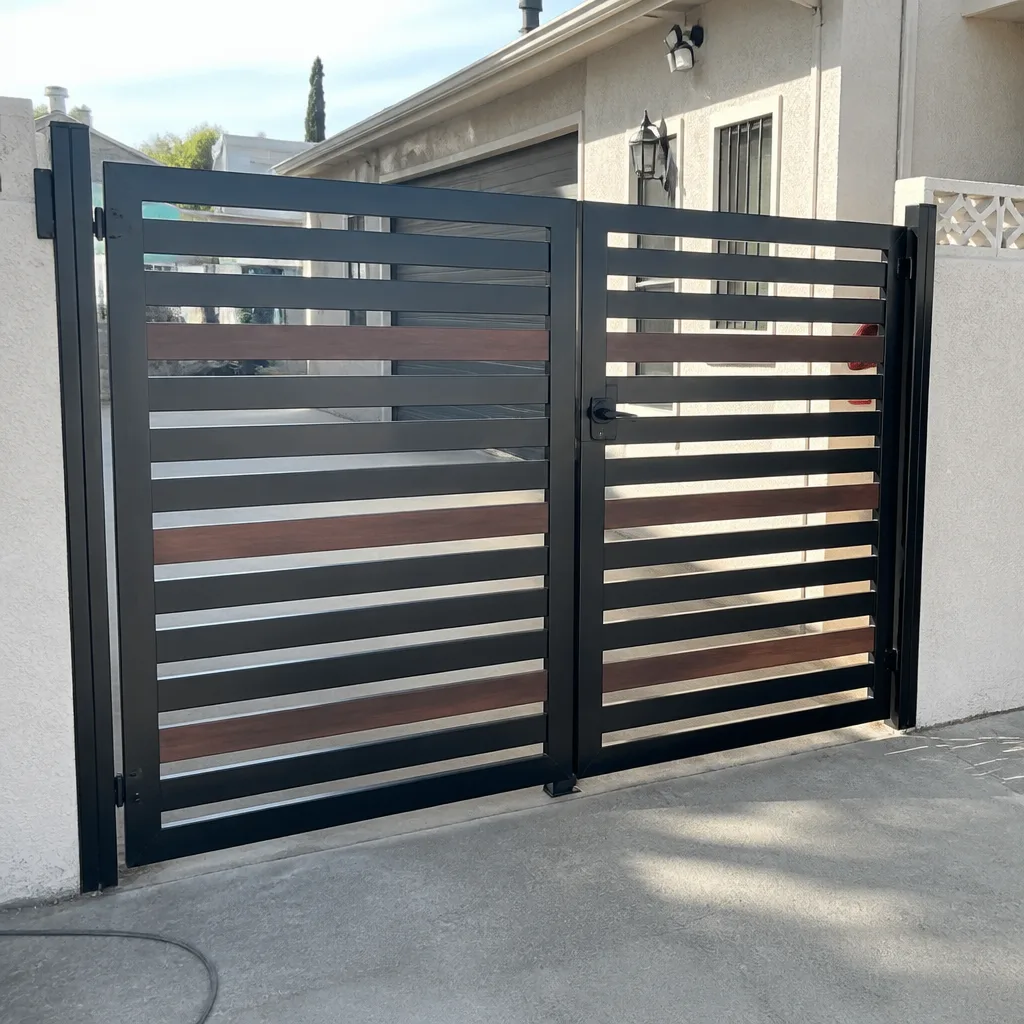
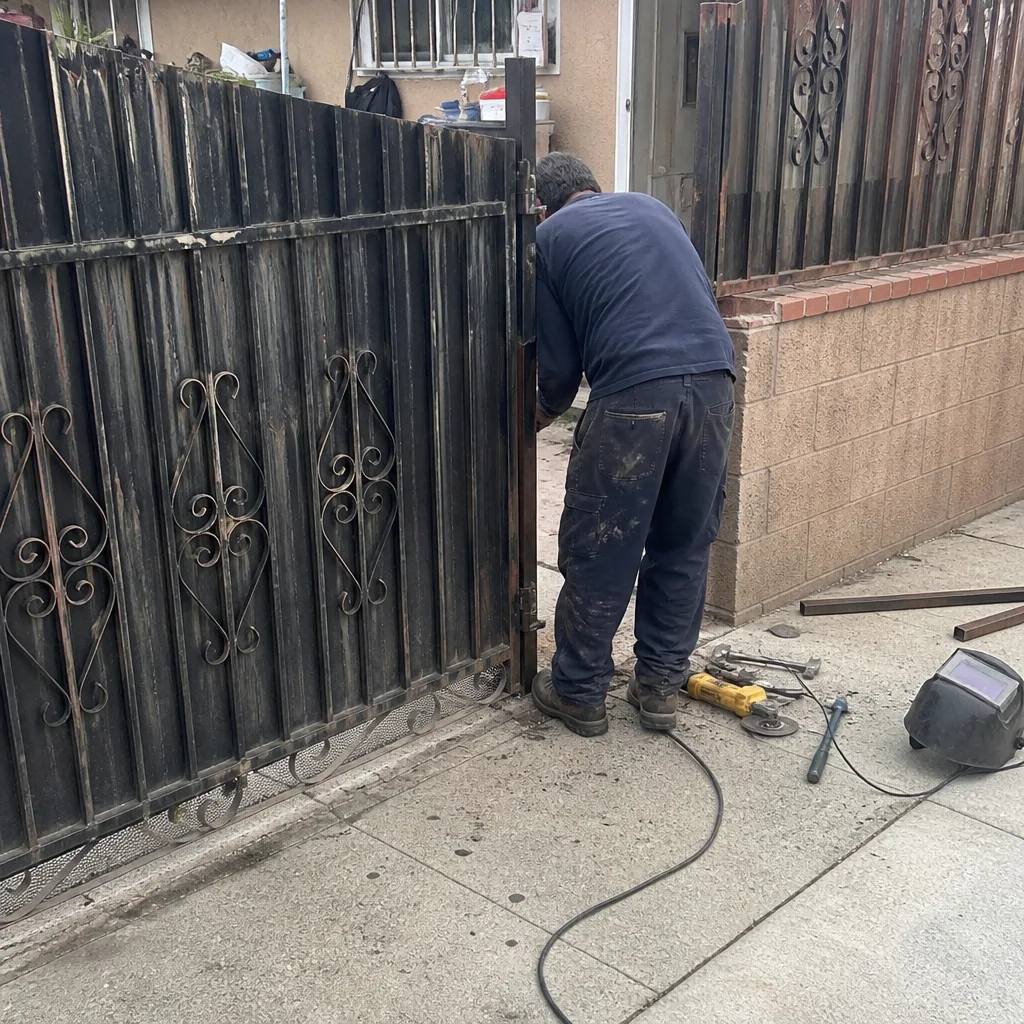
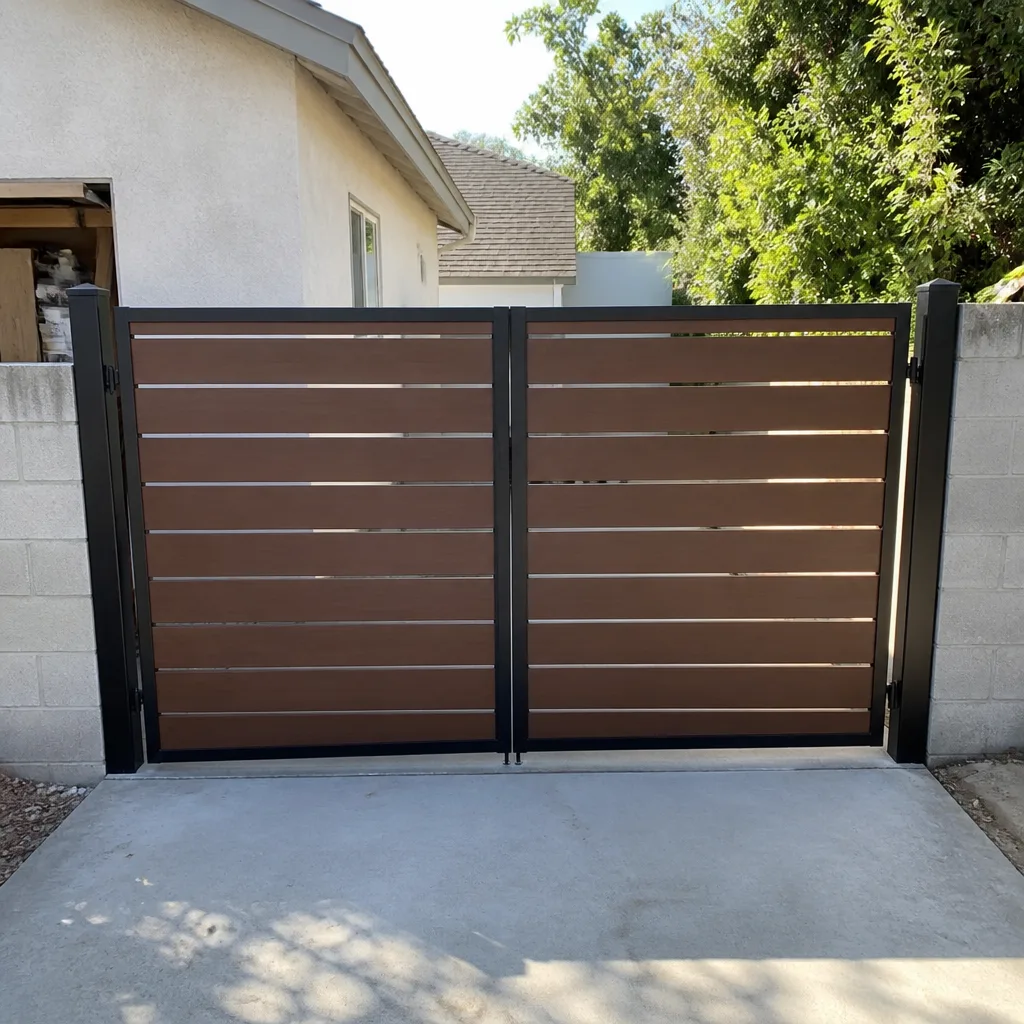
See the difference
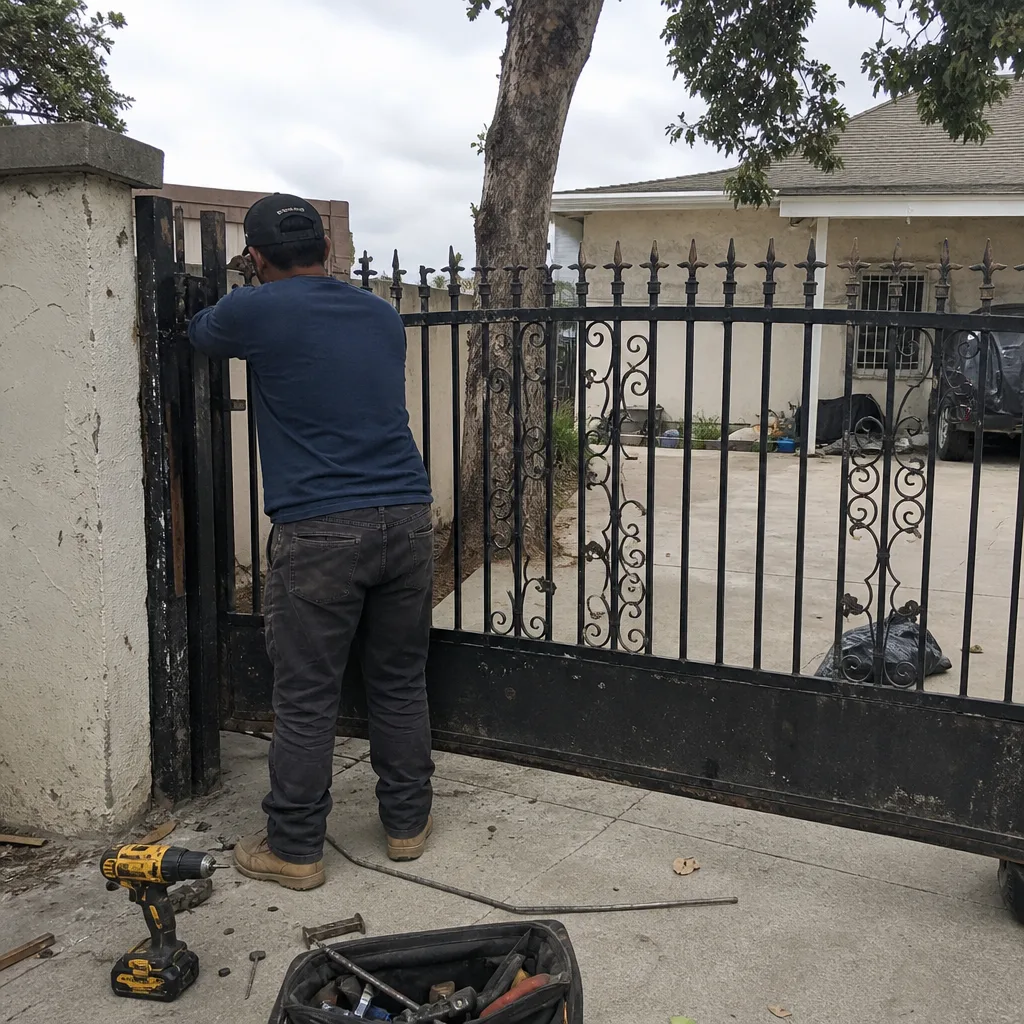 Before
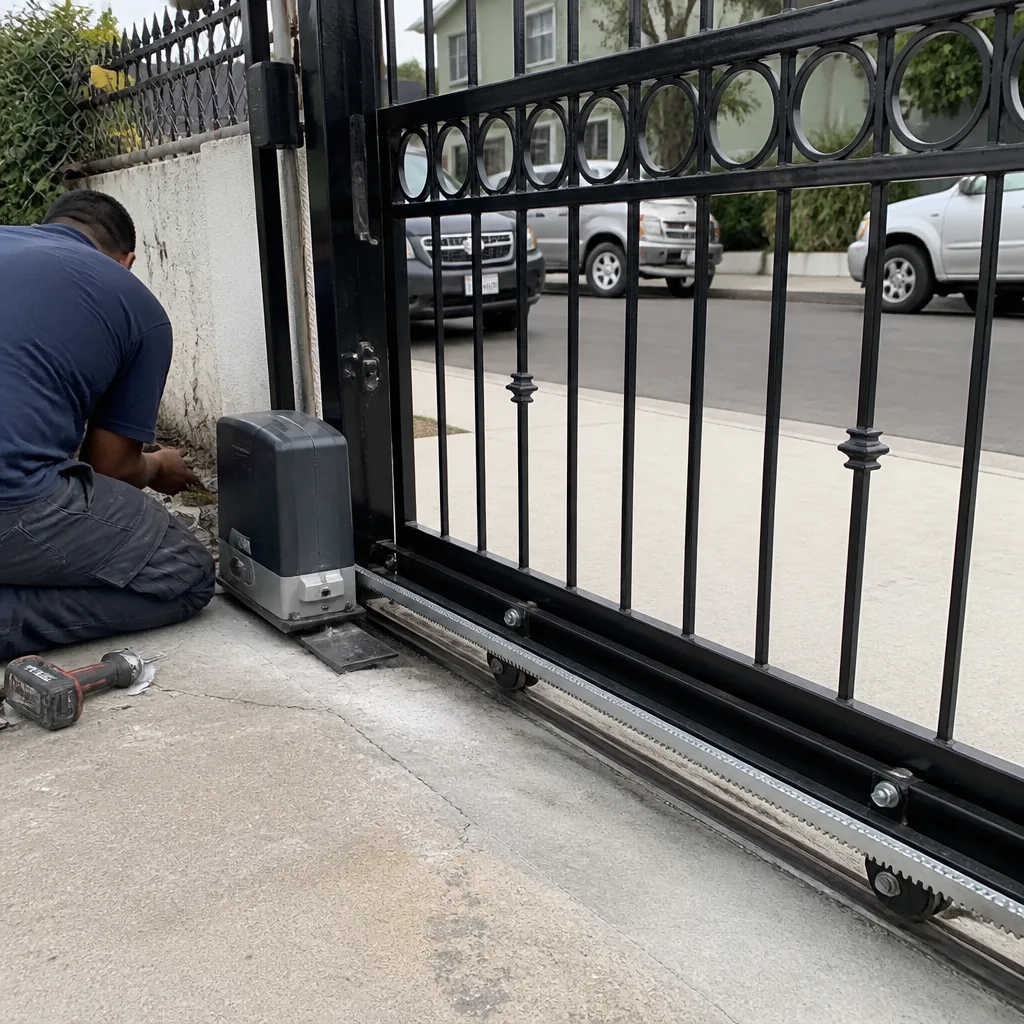 After
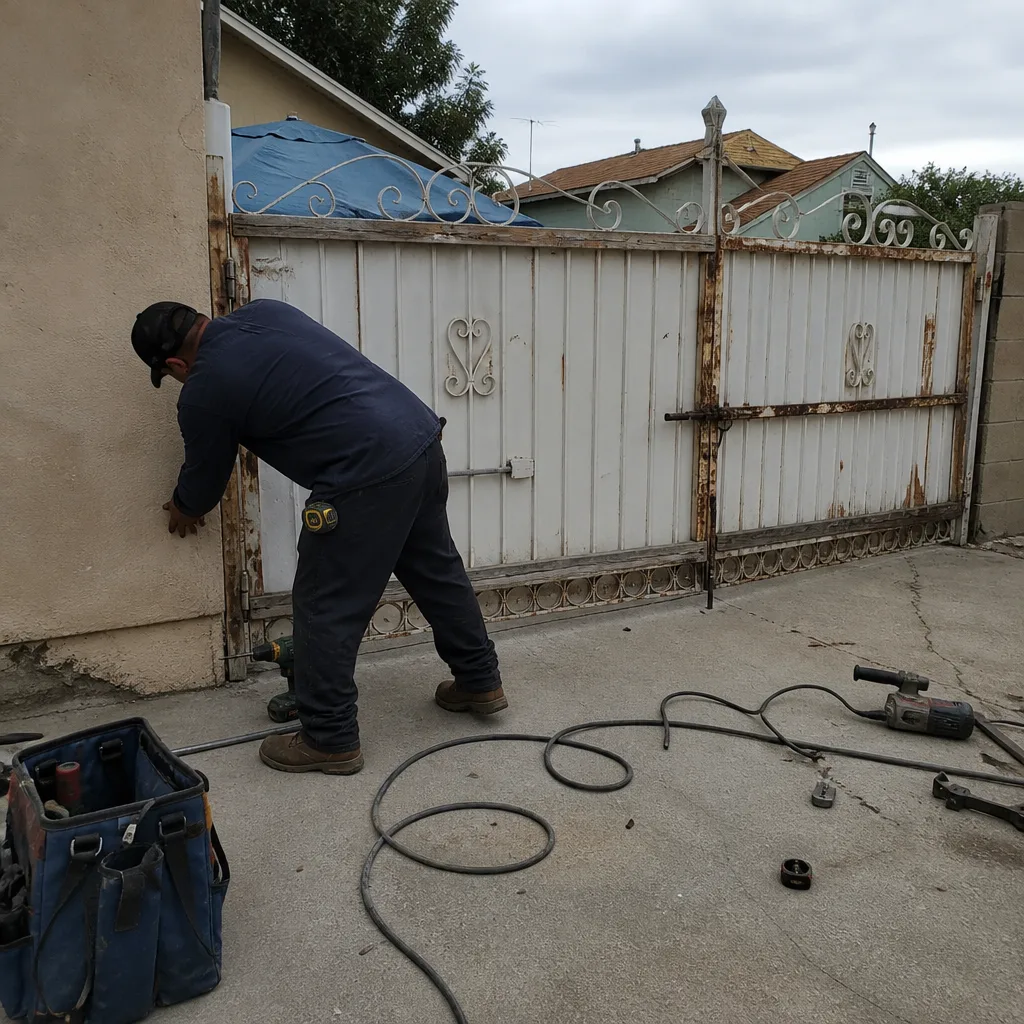 Before
 After
 Before
 After