
Last updated November 2, 2026
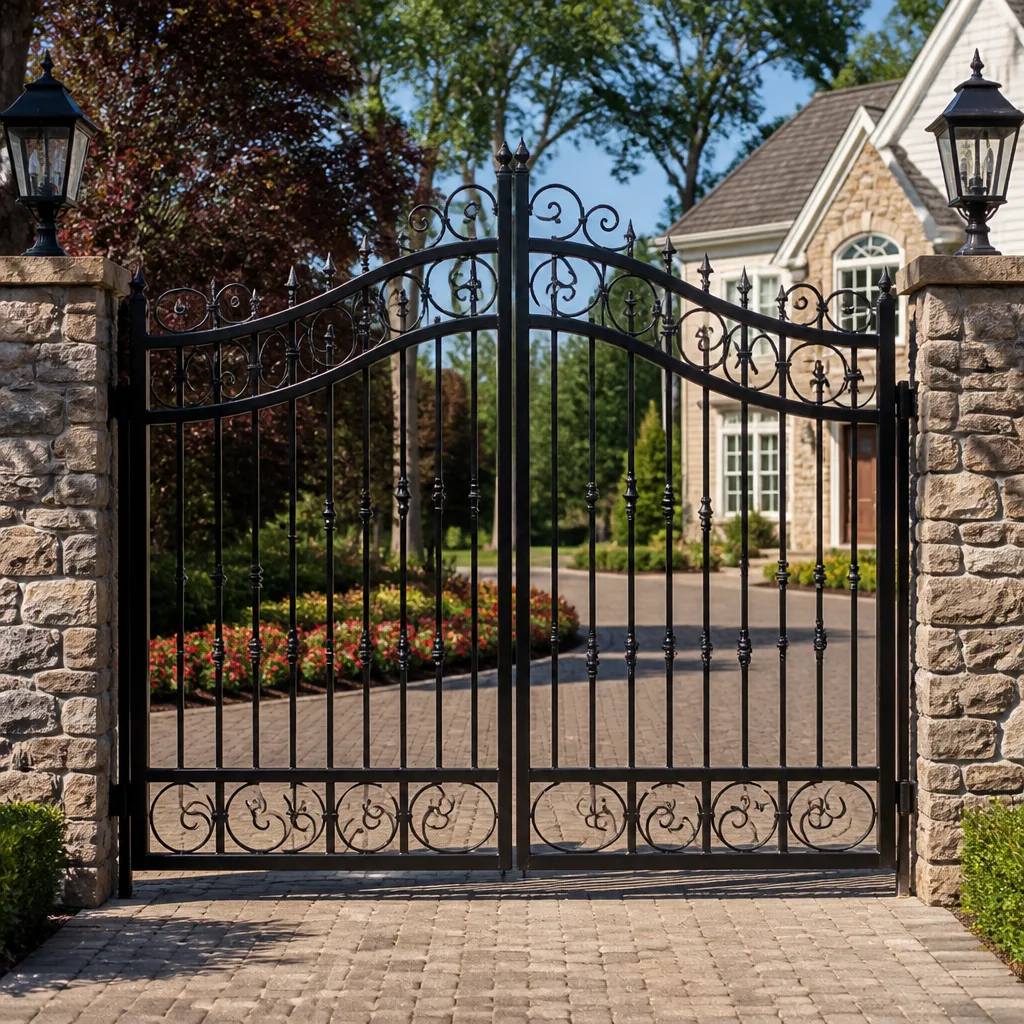 Wrought iron
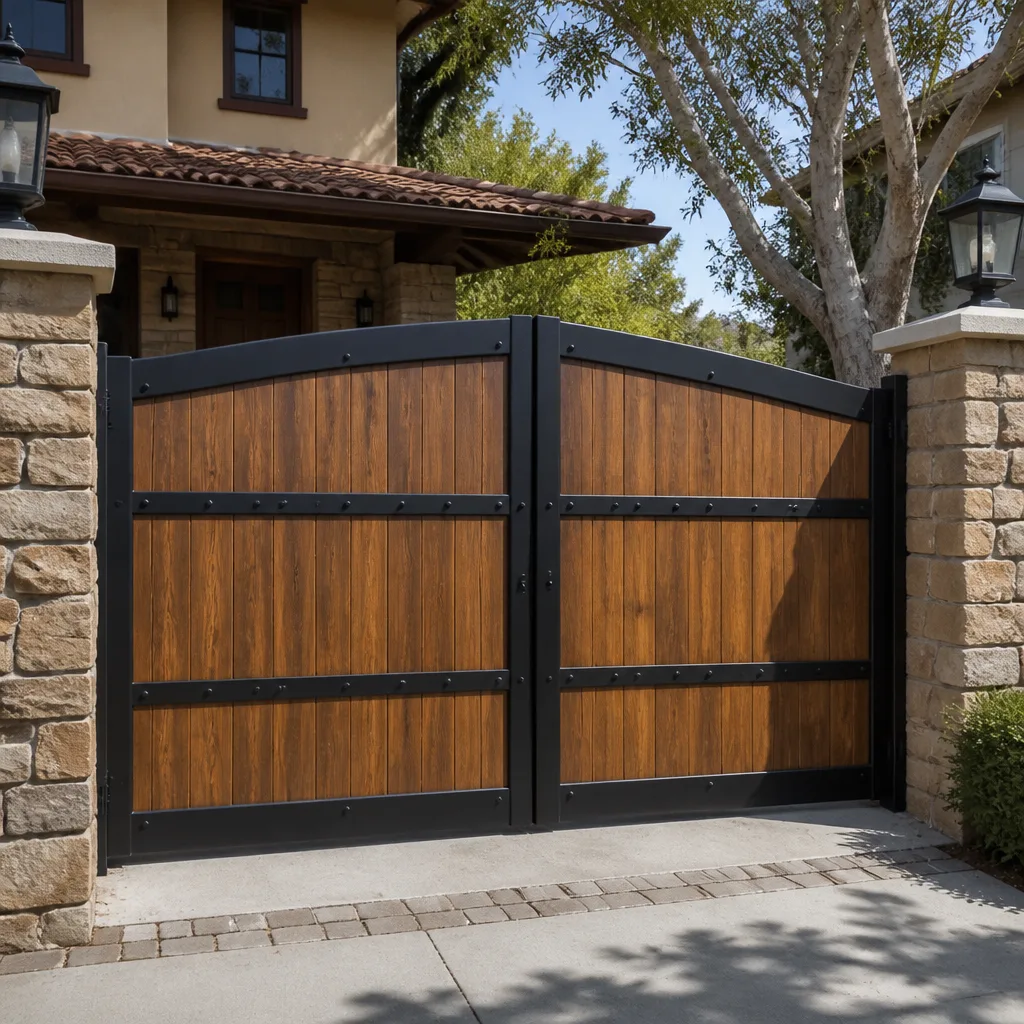 Wood & steel frame
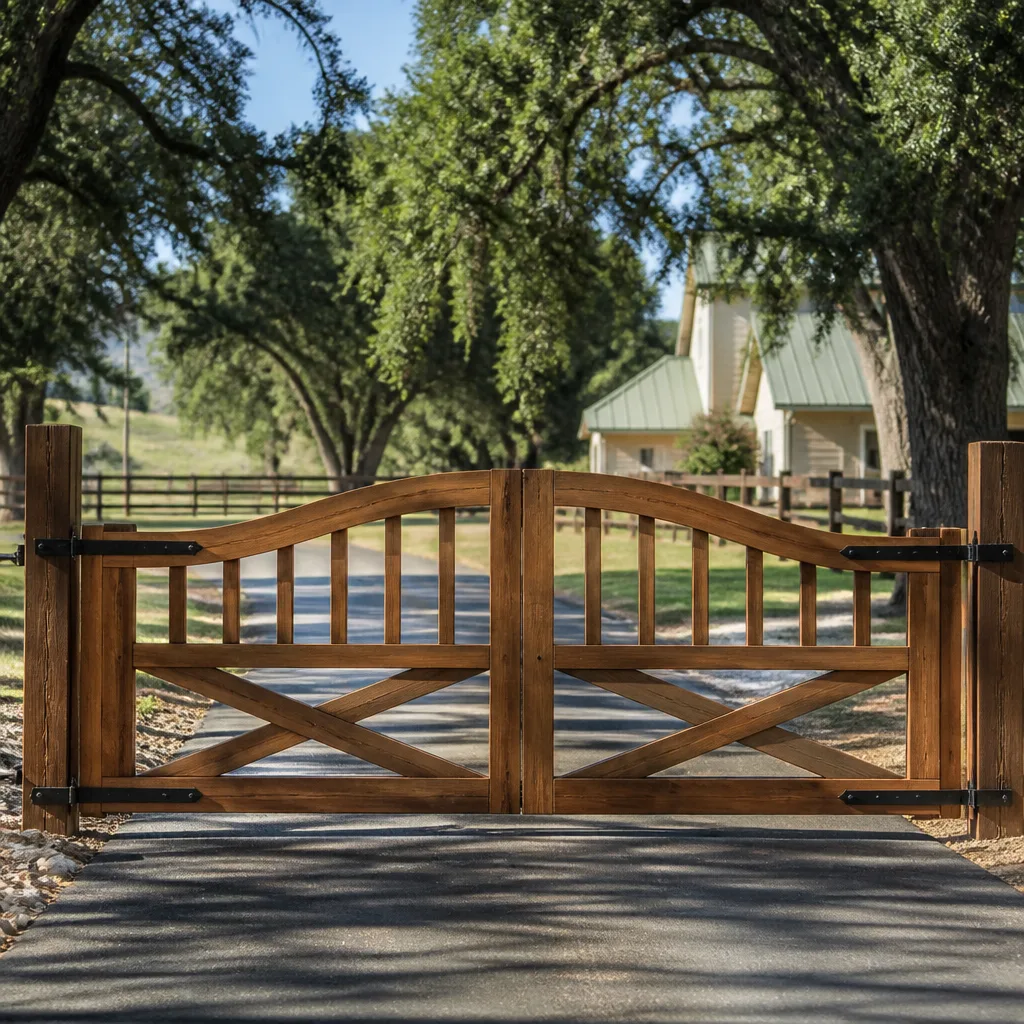 Farm & ranch
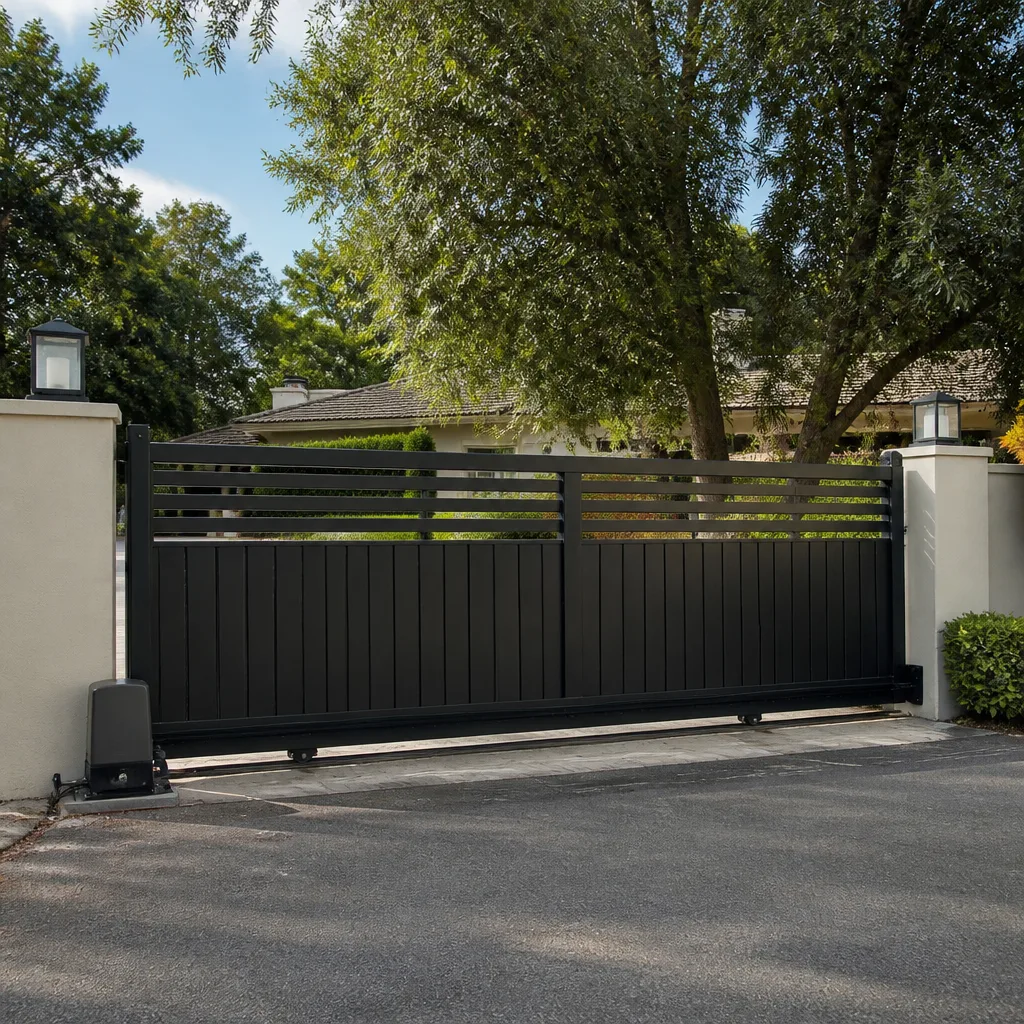 Sliding driveway gates
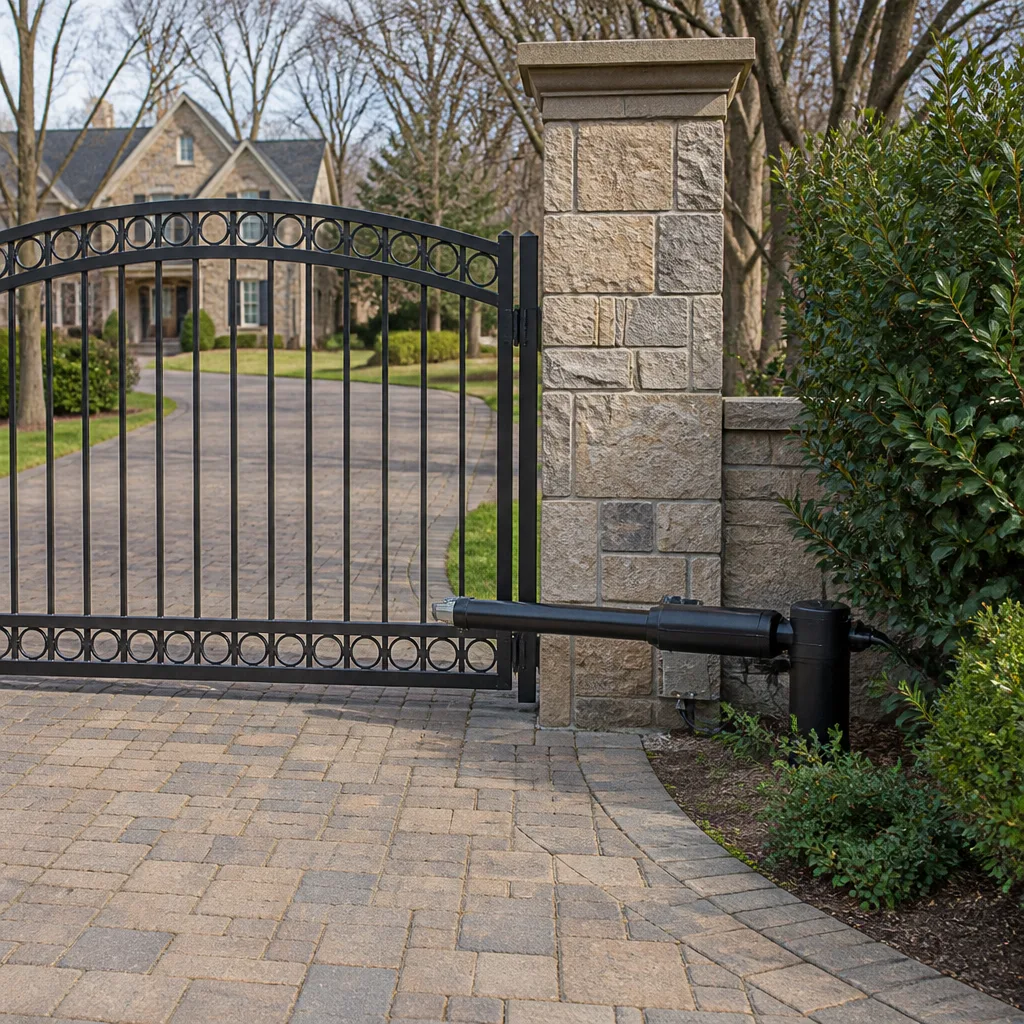 LiftMaster operators
Free on-site gate assessment - hinges, posts, and your LiftMaster or Nice gate operator checked before anything is quoted
The assessment is free and the quote is the invoice.
Get your free estimateGate Repair Maintenance Checklist for East Los Angeles Homeowners
We’ve pulled apart enough gate operators in East Los Angeles to know one thing for certain: the maintenance schedule printed in most operator manuals was not written for this city. Those manuals assume a suburban single-family home with maybe eight open-close cycles a day and clean inland air. They don’t account for a 12-unit apartment building two miles from the Port of Long Beach where the gate cycles ninety times before noon, or a property off Indiana Street where 710 Freeway particulate settles into every hinge and chain link. This guide is a maintenance checklist rebuilt from the ground up for East Los Angeles specifically: the air, the usage patterns, the housing density, and the failure modes we actually see on service calls here. For Gate Repair Troubleshooting: Common Problems and How to Fix Them, see our dedicated guide. You’ll learn what to check, how often to check it, why the standard schedule falls short, and which tasks genuinely extend the life of your system.
Styles & brands we work with
- Wrought iron
- Wood & steel frame
- Farm & ranch
- Sliding driveway gates
- LiftMaster operators
Quick Answer
The most important gate maintenance tasks for East Los Angeles homeowners are inspecting and lubricating chain drives and hinges every 90 days (not the standard 180), cleaning photo-eye sensors monthly to combat freeway dust and port-area particulate, and recalibrating limit switches once a year to prevent motor overwork. Solar-powered gate systems need separate attention to panel cleanliness and battery voltage. Properties with high-density parking should double the lubrication cadence and inspect weld points after any vehicle contact, however minor.
Table of Contents
- Why Standard Maintenance Schedules Fail in East Los Angeles
- The 90-Day Lubrication Cycle for Freeway-Adjacent and Port-Area Properties
- Monthly Sensor and Safety Edge Checks
- The Six-Point Post-Strike Inspection
- Solar-Powered Gate Maintenance in East LA
- Limit Switch Recalibration: The Annual Task That Extends Motor Life
- Maintenance Logging for HOA Compliance and Warranty Support
- Common Mistakes to Avoid
- When to Call a Professional
- Frequently Asked Questions
- The Bottom Line
Why Standard Maintenance Schedules Fail in East Los Angeles
Manufacturer maintenance recommendations are written for an average climate. East Los Angeles is not average. Three specific factors on this side of LA break the assumptions behind those schedules.
First, air quality. The 710 Freeway corridor pushes a constant stream of fine particulate east across neighborhoods like Boyle Heights and El Sereno. That dust is abrasive. When it settles into a chain drive or a hinge pin, it turns lubrication into a grinding paste. A standard 180-day lubrication cycle lets that paste work against moving metal for six months. By the time you service it, the wear has already begun.
Second, proximity to the port. Marine-edge air carries salt and moisture patterns that accelerate corrosion on unprotected metal. Gates within about three miles of the Port of Long Beach show oxidation on zinc-plated hardware noticeably faster than identical systems further inland. We’ve replaced hinge brackets on port-area gates that were still structurally sound on gates of the same age in El Monte or Monterey Park.
Third, usage density. East Los Angeles has one of the highest concentrations of multi-unit rental properties in the county. A sliding gate at an eight-unit building on Union Pacific Avenue might cycle forty times a day. A swing gate at a single-family home in City Terrace might cycle ten times. Both are being maintained according to the same manual. The math doesn’t work.
There’s a fourth factor that’s harder to quantify but real: the age of the housing stock. Many East LA properties were built decades ago, and the gates were retrofitted onto existing driveways and walls rather than installed as part of original construction. That means non-standard mounting, improvised hardware, and mixed-brand components. A generic checklist doesn’t catch the quirks of a retrofit installation. Gate Repair in East Los Angeles means understanding these property-specific realities, not just swapping parts.
Key takeaway: Adjust your maintenance schedule based on your distance from the freeway, your distance from the port, and the actual number of daily cycles your gate performs. The manual is a starting point, not a rulebook.
The 90-Day Lubrication Cycle for Freeway-Adjacent and Port-Area Properties
If your East Los Angeles property sits within a mile of the 710, the 60, or the 5, or within three miles of the Port of Long Beach, you should be lubricating your chain drive and all hinge points every 90 days. Not 180. Here’s what that schedule looks like in practice and why each task matters.
The chain drive on an electric gate carries the full weight of the gate panel every time it moves. As dust accumulates on the chain, it increases friction at every link. Friction generates heat. Heat breaks down the lubricant faster. It’s a cycle that ends in a stretched chain and a motor that has to work harder on every cycle. We see chains on freeway-adjacent properties in East LA stretch to replacement point in four to six years, while the same chain in a cleaner-air neighborhood might last eight to ten.
For a 90-day lubrication routine, follow these steps:
- Clean first, lubricate second. Wipe the chain with a dry rag or a stiff brush to remove accumulated dust before applying any lubricant. Adding fresh lubricant on top of caked particulate just creates more grinding paste.
- Use a dry-film or chain-specific lubricant. Avoid heavy greases that trap dust. A penetrating dry-film lubricant that leaves a protective coating without a sticky residue is the right choice for East LA conditions.
- Lubricate every hinge and pivot point. On swing gates, this means the top and bottom hinge brackets, the actuator attachment points, and any guide rollers. On slide gates, it means the track rollers, guide rollers, and the drive sprocket.
- Inspect for wear while you work. Lubrication is also an inspection opportunity. Look for tight links, rust spots, or metal shavings that indicate a problem you can’t lubricate away.
- Log the date and what you used. If you’re maintaining a gate for an HOA property, the documentation matters. More on that in the logging section below.
For properties in the high-usage category (multi-unit buildings, commercial lots, shared driveways), consider moving to a 60-day cycle. The gate at a 12-unit apartment building cycles more in one month than a single-family gate cycles in a year. The cost of lubrication is low. The cost of a burned-out operator motor is not.
If you’re not comfortable doing this work yourself, or if you have a system you’re not sure how to service properly, our gate technicians handle lubrication and full-system inspection as part of routine maintenance calls. We work on LiftMaster, FAAC, BFT, Mighty Mule, and every other major brand installed across East Los Angeles.
Monthly Sensor and Safety Edge Checks
Photo-eye sensors and safety edges are the components most often responsible for a gate that reverses for no reason, refuses to close, or intermittently stops mid-cycle. In East Los Angeles, the failure rate on these components is higher than in most of the county because of dust accumulation on the photo-eye lenses and debris buildup inside the safety edge channels.
The photo-eye sends an infrared beam across the gate opening. If anything breaks that beam, the gate stops or reverses. But a dirty lens can scatter the beam enough to cause false reads. And on the receiving side, a lens caked with freeway particulate may not register the beam at all. The result is a gate that behaves unpredictably. Monthly cleaning prevents most of these symptoms.
Here’s the monthly checklist for sensor and safety edge components:
- Wipe both photo-eye lenses with a dry microfiber cloth. Do not use wet wipes or glass cleaner, which can leave a film that scatters the beam. If the lenses are heavily soiled, a slightly damp cloth followed by a dry wipe is acceptable.
- Check sensor alignment. Most photo-eyes have an indicator light that confirms alignment. If the light is blinking or off, the sensors may have been knocked out of position by a vehicle or a pedestrian.
- Test the safety edge. With the gate closing, press on the safety edge strip (the flexible strip along the leading edge of the gate). The gate should stop and reverse immediately. If it doesn’t, the edge is either damaged or has a wiring fault that needs professional attention.
- Inspect the edge strip for cracks or tears. Safety edges are exposed to full sun on this side of LA. UV degradation causes the rubber to crack over time. A cracked edge can let moisture in and short out the internal sensors.
- Clear debris from the gate track or swing path. Pebbles, leaves, and the kind of loose litter that accumulates in high-density neighborhoods can trigger false stops or physically obstruct the gate.
If you find a safety edge that doesn’t trigger reversal when pressed, treat it as an urgent item. A malfunctioning safety edge is a liability issue and a code compliance issue. Electric gate repair on safety systems should be done by a technician who understands the control board logic, because the symptom (gate won’t close) can have three different root causes. We identify the root cause, whether it’s a motor, control board, sensor, or wiring issue, before recommending a single repair.
The Six-Point Post-Strike Inspection
Vehicle strikes on gates are common in East Los Angeles. Tight driveways, street parking that pushes cars closer to gate lines, and the sheer number of vehicles entering and exiting multi-unit properties every day all contribute. Here’s the thing most homeowners don’t know: a gate can absorb a vehicle strike and look completely fine from the outside while sustaining internal damage that will cause a failure weeks or months later.
Two of the six inspection points below are invisible unless you know specifically where to look. After any vehicle contact, however minor, check all six.
- Visible gate panel damage. The obvious one. Look for dents, bends, or scratches on the panel itself. A dented panel is a cosmetic issue. A bent panel is a structural one that will change how the gate sits on its track or hangs on its hinges.
- Track alignment on slide gates. A slide gate that has been struck often gets pushed slightly off its track. You may not see a gap at rest, but the gate will start to bind at certain points in its travel. Watch the gate move through a full open-close cycle and listen for grinding or hesitation.
- Hinge bracket deformation on swing gates. This is the first invisible point. The hinge brackets carry the full weight of the gate leaf. A strike can micro-deform a bracket without leaving any visible mark. The gate still moves, but it now hangs a few degrees off angle, putting constant stress on the actuator. Have a technician check bracket angles with a level after any strike.
- Actuator shaft or piston damage. The second invisible point. On a swing gate, the force of a strike travels through the gate panel and into the actuator arm. The internal gearing or the piston rod can be bent or stripped even if the outside of the actuator looks untouched. Symptoms appear later as slow operation, unusual noise, or premature motor failure.
- Limit switch position drift. A strike can push the gate past its normal travel limit, which causes the limit switches to shift. The gate may now open too far, close too far, or reverse at the wrong point. If your gate’s travel endpoints have changed after a strike, the limit switches need recalibration.
- Photo-eye and safety edge function. The strike itself may not have damaged these components, but the vibration can loosen wiring connections or knock sensors out of alignment. Run the safety edge test and the photo-eye check described above immediately after any strike.
If a vehicle strike has occurred, even if the gate appears to be working normally, the safest move is to have the system inspected as part of our Gate Repair services. The cost of an inspection is a fraction of the cost of replacing an actuator or a control board that failed because of hidden strike damage that went unaddressed.
Solar-Powered Gate Maintenance in East LA
Solar gate operators are increasingly common in East Los Angeles. They solve a real problem here: many of the older properties and detached garages in this part of the city were never wired for an electric gate operator, and running conduit across a driveway or through a concrete walkway is expensive. A solar panel and battery bank sidesteps all that.
But a solar gate system has a different maintenance profile than a hardwired operator, and skipping it will catch up with you. Solar systems in East LA face two specific challenges: the particulate problem we’ve already covered, and the reality that the panel receives less sunlight than its rated output suggests when it’s positioned in the shade of a mature tree, a neighboring apartment building, or an overhang.
Here’s the maintenance checklist for a solar-powered gate operator:
- Clean the solar panel monthly. A layer of dust on the panel surface directly reduces charging efficiency. In the 710 corridor, a panel can lose 15-20% of its output to dust accumulation within a month. Use water and a soft sponge or cloth. Do not use abrasive cleaners.
- Check battery voltage quarterly. Most solar gate batteries are 12V lead-acid or AGM units. A healthy battery should read between 12.6 and 13.2 volts at rest. If it reads below 12.2 volts, the battery is not holding a charge and needs replacement. Low battery voltage is the most common cause of intermittent operation in solar gate systems.
- Inspect the panel wiring and connections. Sun exposure degrades wire insulation over time. Look for cracking, exposed copper, or corroded terminals. In marine-edge air near the port, corrosion on connectors happens faster than you’d expect.
- Verify the panel angle. Panels get bumped by tree branches, ladders, and occasionally curious kids. If the panel has shifted from its optimal angle, it’s not generating what it should. Reposition it to face true south (not magnetic south) at a 30-35 degree tilt for this latitude.
- Track battery replacement age. Solar gate batteries in East LA typically last 3-5 years. If your system is in direct sun all day and cycles heavily, plan for replacement closer to the 3-year mark. If you don’t know when the battery was installed, write the date on the battery case with a marker right now so future maintenance has a reference point.
We service solar operators across every major brand line including Ghost Controls, Mighty Mule, and LiftMaster. If your solar gate is losing power or cycling sluggishly, it’s almost always the panel charging, the battery, or the wiring between them, and those are diagnostic checks a dedicated gate technician can resolve quickly.
Limit Switch Recalibration: The Annual Task That Extends Motor Life
Of everything on this checklist, there’s one task that almost no East Los Angeles homeowner performs annually, and it has the biggest single impact on motor longevity. Limit switch recalibration.
Limit switches tell the operator motor exactly where the gate should stop in both the open and closed positions. When they’re set correctly, the motor runs only as long as it needs to move the gate from one endpoint to the other. When they drift out of calibration, the motor keeps running for a fraction of a second or a full second after the gate has already reached its stop. That doesn’t sound like much. Except it happens on every single cycle. A gate that cycles forty times a day accumulates that extra motor load hundreds of times a month.
Over a year, a mis-calibrated limit switch can add thousands of unnecessary motor revolutions. That’s heat, that’s brush wear, that’s shortened motor life. We estimate that annual limit switch recalibration extends motor life by 30-40% on a gate that’s in daily use. The numbers come from watching operator motors in East LA service conditions over years of repair calls. The ones that get regular recalibration simply last longer.
Recalibration is also the fix for a list of other symptoms homeowners don’t connect to limit switches: the gate slams at the end of travel, the gate bounces back an inch or two after closing, the motor makes a straining sound right before the gate stops, or the gate leaves a gap at the closed position large enough for a small dog to squeeze through. All of those are limit switch issues.
On most modern operators, including models from FAAC, BFT, and DoorKing, limit switch adjustment is a straightforward procedure using the control board interface or physical limit cams. But on some older systems, the limit switches are mechanical and require careful positioning. If you’re not sure which type you have, or if the adjustment procedure isn’t documented in your manual, this is a task worth handing to a gate technician. Getting it wrong means the gate runs too far in one direction and stresses the mechanical stops.
We include limit switch inspection and recalibration in every maintenance visit. It’s one of the first things we check on any gate that’s been in service for more than a year, because the combination of East LA dust, daily cycling, and temperature swings all contribute to drift.
Maintenance Logging for HOA Compliance and Warranty Support
If you own or manage a multi-unit property in East Los Angeles with a shared gate, your maintenance documentation is doing two jobs at once. It’s satisfying HOA record-keeping requirements, and it’s building the paper trail you’ll need if a warranty claim comes up on the operator, the control board, or the gate hardware. For related reading, see Gate Repair Permits, Codes & Inspections in CA: What You Need to Know.
Manufacturer warranties on electric gate operators almost always include a clause requiring “proper maintenance” as a condition of coverage. If you can’t demonstrate that maintenance was performed, the manufacturer can and will deny the claim. HOA boards and property insurers often have similar documentation expectations. A maintenance log that gets filled out consistently is the difference between a covered replacement and an out-of-pocket $2,000 control board.
What belongs in the log:
- Date of every maintenance task. Lubrication, sensor cleaning, battery voltage checks, limit switch recalibration, and any repairs. If it happened, write down when.
- Specific actions taken. Not “maintained gate.” Write “cleaned photo-eye lenses, lubricated chain with dry-film lubricant, tested safety edge.” Specificity is what holds up when a claim is challenged.
- Parts or materials used. Brand and type of lubricant, replacement battery model, any replacement components with part numbers when available.
- Observed conditions or anomalies. “Noted slight rust on lower hinge bracket” or “gate hesitated at midpoint during close cycle.” Early observations create the paper trail that justifies a future repair.
- Who performed the work. If a homeowner did it, their name. If a professional service did it, the company name and technician name.
- Photographs. For any visible condition that might be relevant later: rust, wear, misalignment, panel damage. A phone photo attached to the log entry is more convincing than a written description.
The format matters less than the consistency. A paper notebook, a shared spreadsheet, or a property management app all work. What kills a warranty claim or an HOA compliance review is gaps in the record. A gate that went eighteen months with no logged maintenance is a gate the manufacturer will assume was neglected.
For HOAs specifically, we recommend logging at the level of the individual gate if the property has more than one. Gate #1 on the north driveway and Gate #2 on the south driveway accumulate wear differently, and the log should reflect that.
Common Mistakes to Avoid
- Using the wrong lubricant. Heavy axle grease on a gate chain in East LA is a mistake. It traps freeway dust and port-area particulate, accelerating wear instead of preventing it. Use a dry-film or chain-specific lubricant designed for exposed moving parts.
- Skipping the safety edge test. The safety edge is the component that prevents your gate from closing on a person or a car. Testing it monthly takes ten seconds. Not testing it is how a gate ends up closing on a delivery truck and bending the panel, plus a liability claim.
- Lubricating without cleaning first. Adding fresh lubricant to a chain covered in caked dust creates an abrasive slurry. Always wipe the chain down before applying anything to it.
- Ignoring the manual entirely, or following it blindly. Both are errors. The manual has useful specifications, but its maintenance schedule wasn’t written for the gate installation conditions specific to this city. Adjust based on your location and usage.
- Not documenting anything. If you maintain a gate on an HOA property and you’re not logging it, you’re doing the work without building the paper trail that protects you and the property owner. Maintenance that isn’t documented doesn’t protect a warranty.
- Delaying after a vehicle strike. A gate that still opens and closes after a strike may have hidden actuator or bracket damage. The longer that damage goes unaddressed, the more expensive the repair. Inspection after a strike is not optional.
- Treating a solar gate like a hardwired gate. Solar systems need panel cleaning and battery voltage checks that hardwired systems don’t. If your solar gate is acting flaky, the problem is almost always power, not mechanics.
When to Call a Professional
Some tasks on this checklist are doable for a motivated homeowner: wiping photo-eye lenses, cleaning a solar panel, testing a safety edge. Other situations call for a gate technician with diagnostic experience across multiple brands and system types. If your gate has been struck by a vehicle, even lightly, get it inspected. If the limit switches have drifted and you’re not confident recalibrating them, get it done professionally. If your operator motor is straining, making unusual noise, or the gate is moving slower than it used to, the root cause is often something you can’t see without opening the control box or pulling the actuator. If the safety edge fails the reversal test, do not continue using the gate. Gate Repair East Los Angeles offers free estimates in East Los Angeles, and we work on every major brand installed in this market: LiftMaster, FAAC, BFT, Mighty Mule, and the rest. Call (833) 620-4315 for an assessment. Whether your gate needs a targeted fix or a full replacement, we handle it start to finish.
Frequently Asked Questions
Every 90 days if your property is within a mile of the 710, 60, or 5 freeways or within three miles of the Port of Long Beach. The standard 180-day recommendation from most manufacturers doesn’t account for the dust and particulate load in East LA air. If your gate cycles more than 20 times per day, move to a 60-day schedule. Call (833) 620-4315 if you’d rather have a gate technician handle the lubrication and full inspection as part of a routine maintenance visit.
Start the gate closing, then press firmly on the flexible rubber strip along the leading edge. The gate should stop and reverse immediately. If it doesn’t, the safety edge is damaged, disconnected, or has a wiring fault, and the gate should be taken out of service until a technician repairs it. A non-functioning safety edge is a serious liability exposure.
Shorter daylight hours and lower sun angles reduce the amount of energy your solar panel collects, and if the battery is more than three years old or the panel has accumulated dust, the system may not store enough charge to get through the night. Clean the panel first, check the battery voltage, and if the problem persists, the battery is probably at the end of its service life and needs replacement.
Limit switch recalibration is typically a diagnostic and adjustment service that takes under an hour on most systems, and many East Los Angeles gate repair companies include it in a service call or annual maintenance visit. The exact price depends on whether mechanical limit cams or digital board settings need adjusting, and whether any parts are worn. Call (833) 620-4315 for an exact quote, and the price is agreed before any work starts.
Monthly sensor cleaning, safety edge testing, and visual inspections are appropriate for most homeowners looking for more guides & resources on DIY maintenance. Chain lubrication is also doable if you’re comfortable working around moving mechanical parts and you use the right lubricant. Limit switch recalibration, actuator inspection, and any repair involving the control board or wiring are best left to a technician who works on your specific brand, whether that’s LiftMaster, FAAC, BFT, or Mighty Mule.
Run through the six-point post-strike inspection described in this guide, and even if the gate appears to work normally, have it professionally inspected. Hidden damage to the actuator, hinge brackets, or limit switch positioning is common, and the repair gets more expensive the longer it goes unaddressed. Document the strike with photos and note it in your maintenance log for insurance purposes.
The Bottom Line
Gate maintenance in East Los Angeles is not a one-size-fits-all proposition. The freeway dust, port-corridor air, high-density cycling, and aging property stock in this city create a maintenance profile that manufacturer schedules don’t anticipate. The homeowners who get the longest life from their gates are the ones who lubricate on a 90-day cycle, clean their sensors monthly, test their safety edges every time they think of it, and recalibrate their limit switches every year. Add in consistent documentation, and you’ve built a maintenance program that protects both the mechanical investment and the warranty behind it. If any part of this checklist reveals a problem you don’t know how to fix, or if you’d simply rather have a gate specialist handle the maintenance, Gate Repair East Los Angeles is at (833) 620-4315. Estimates are free, and the price is always quoted and agreed before any work starts.
Written by the team at Gate Repair East Los Angeles, serving East Los Angeles since 2014.
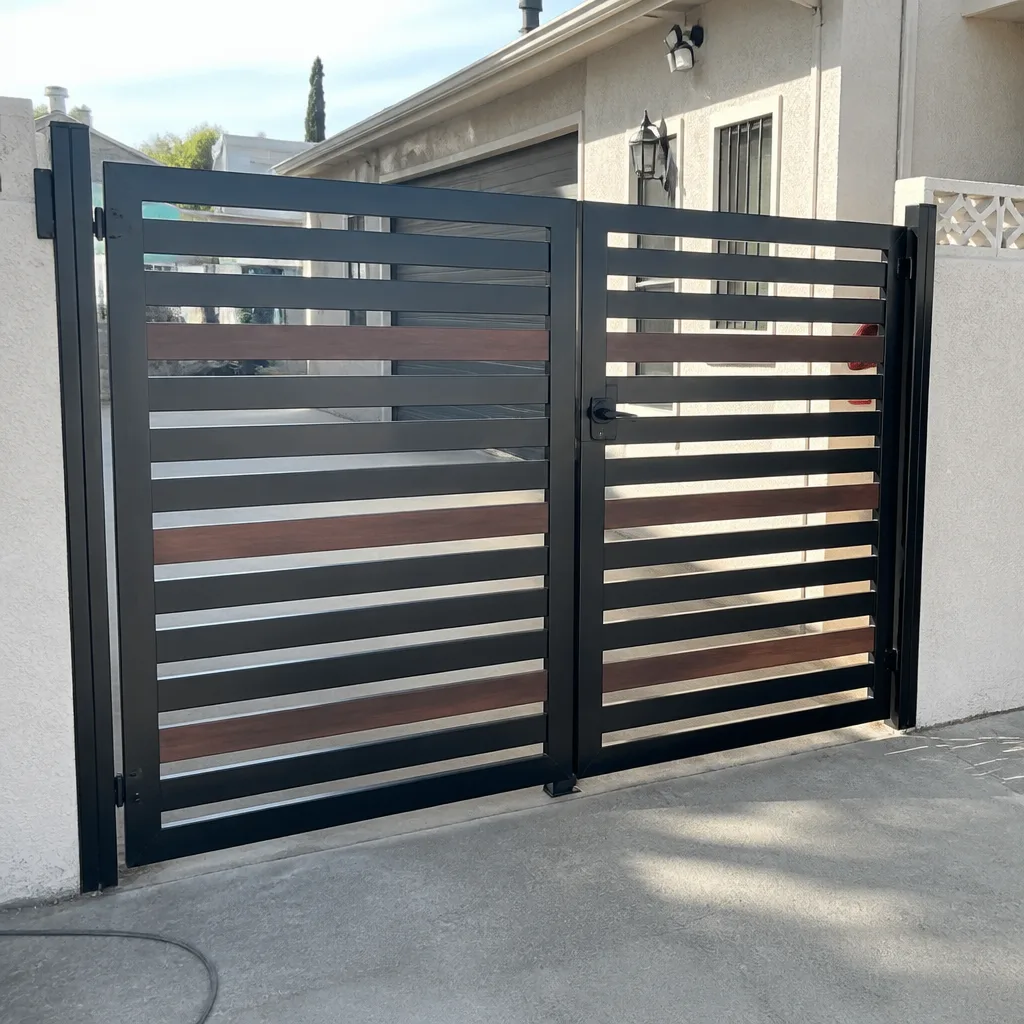
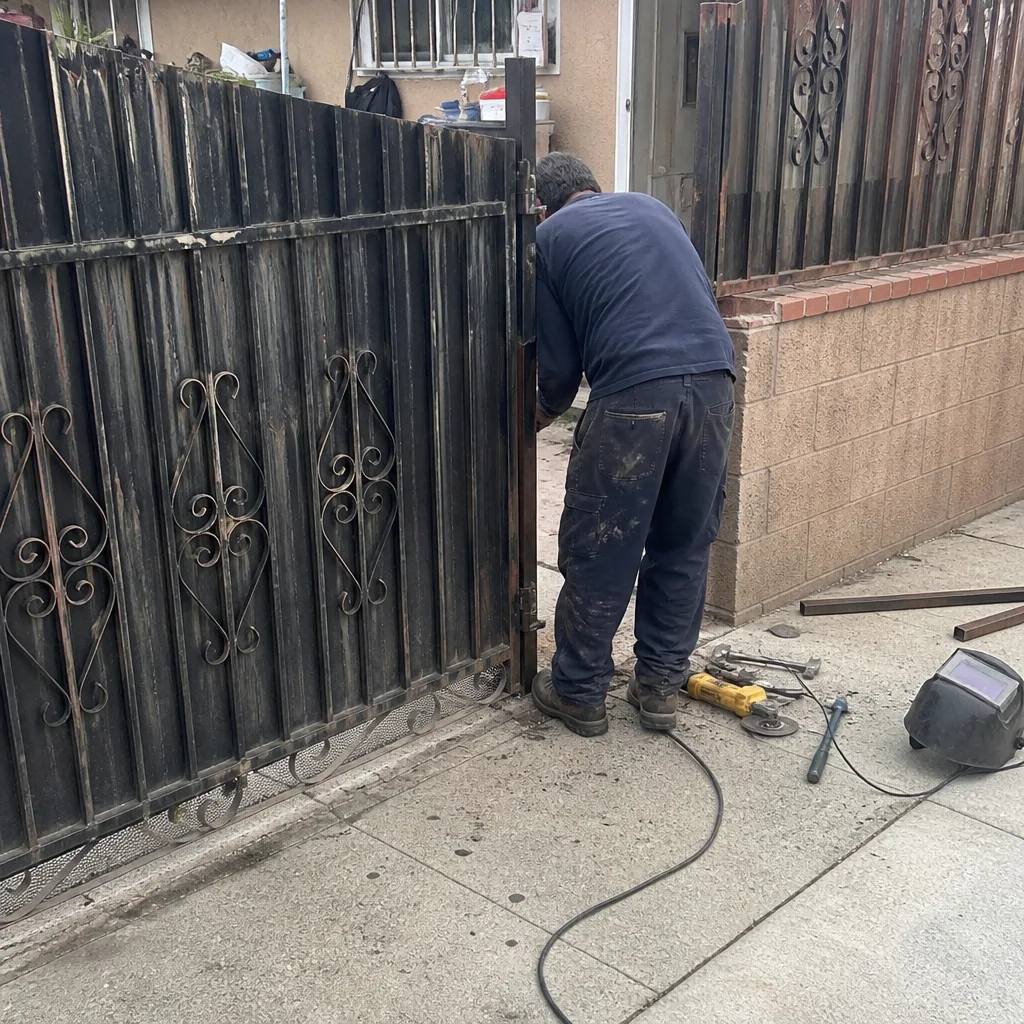
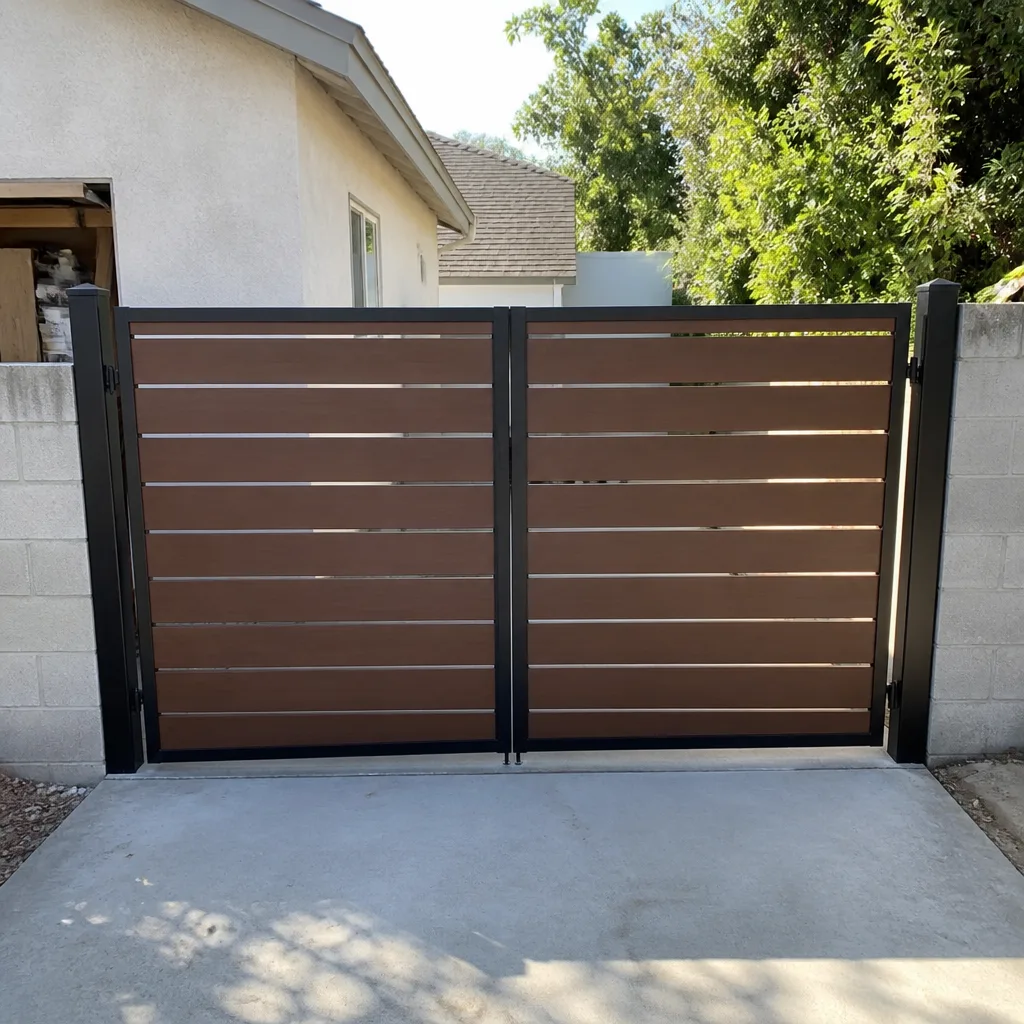
See the difference
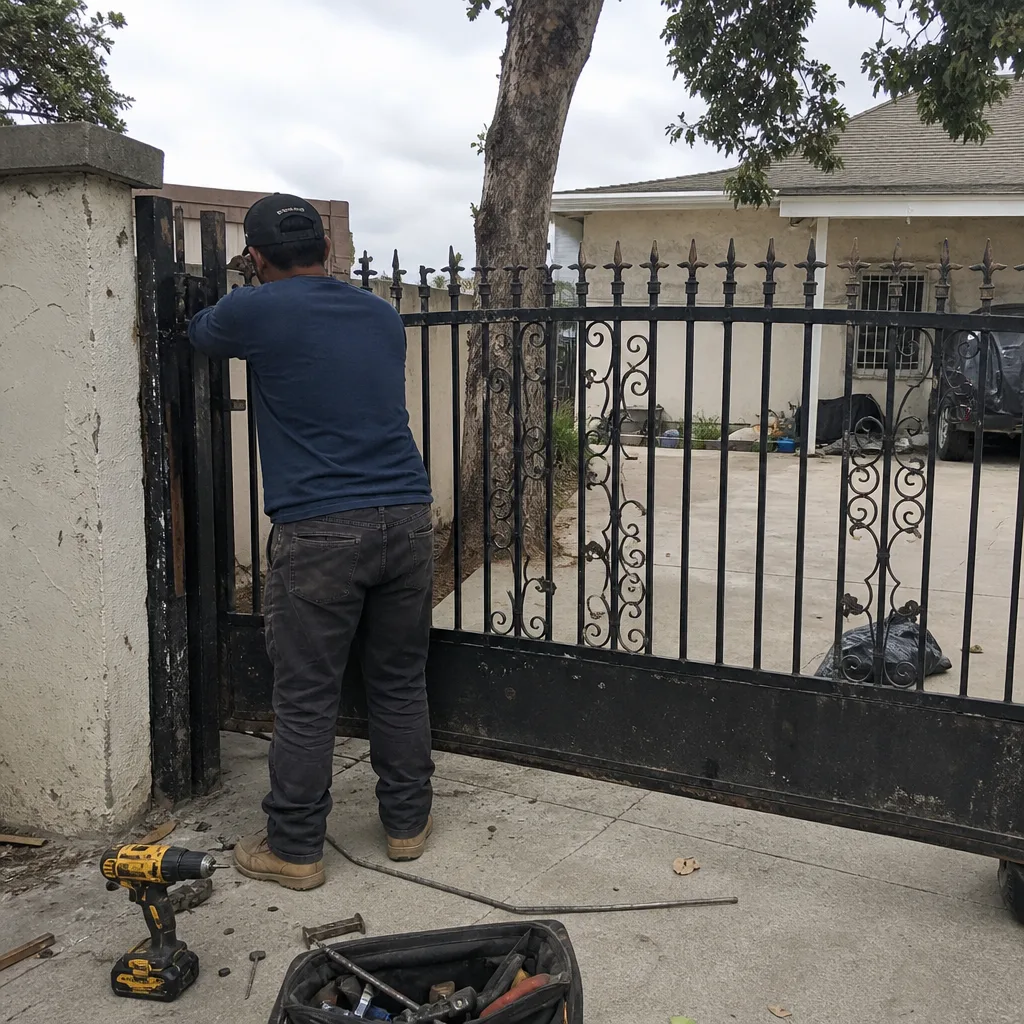 Before
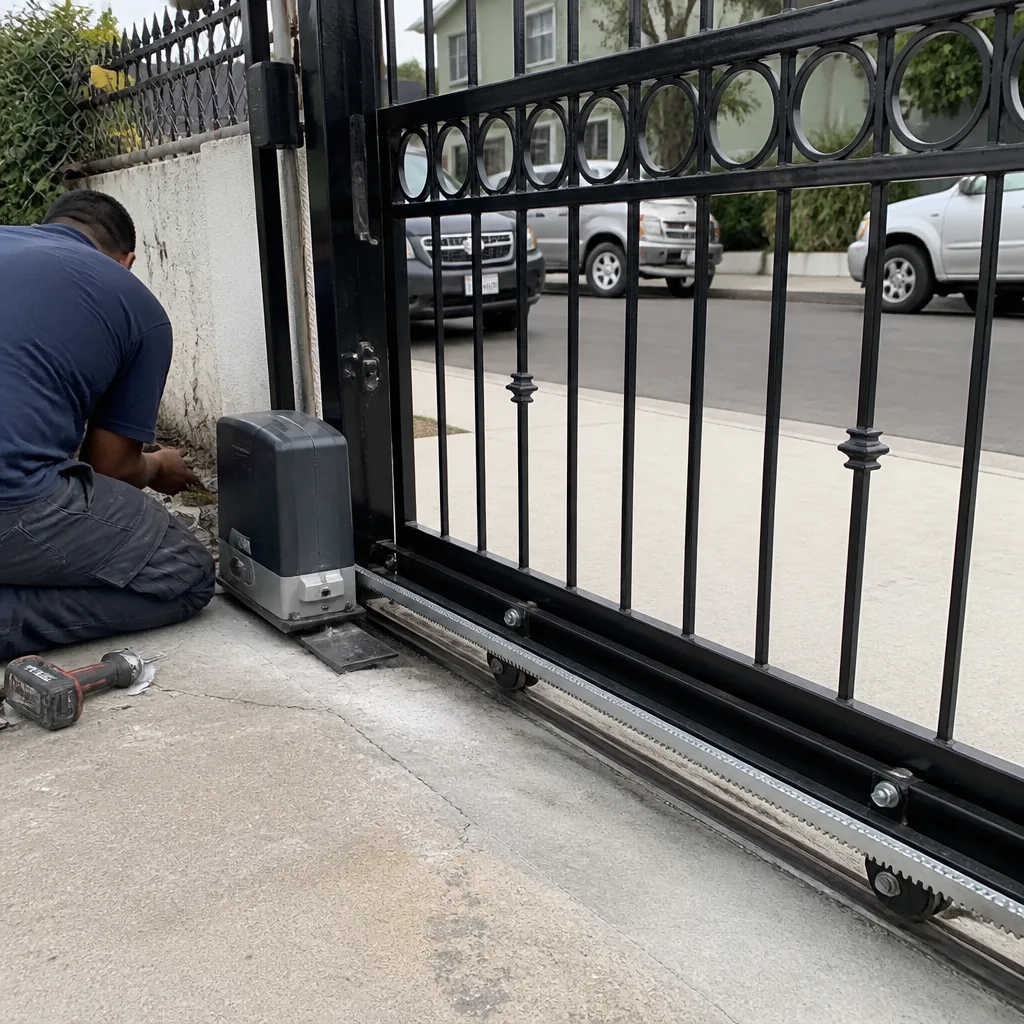 After
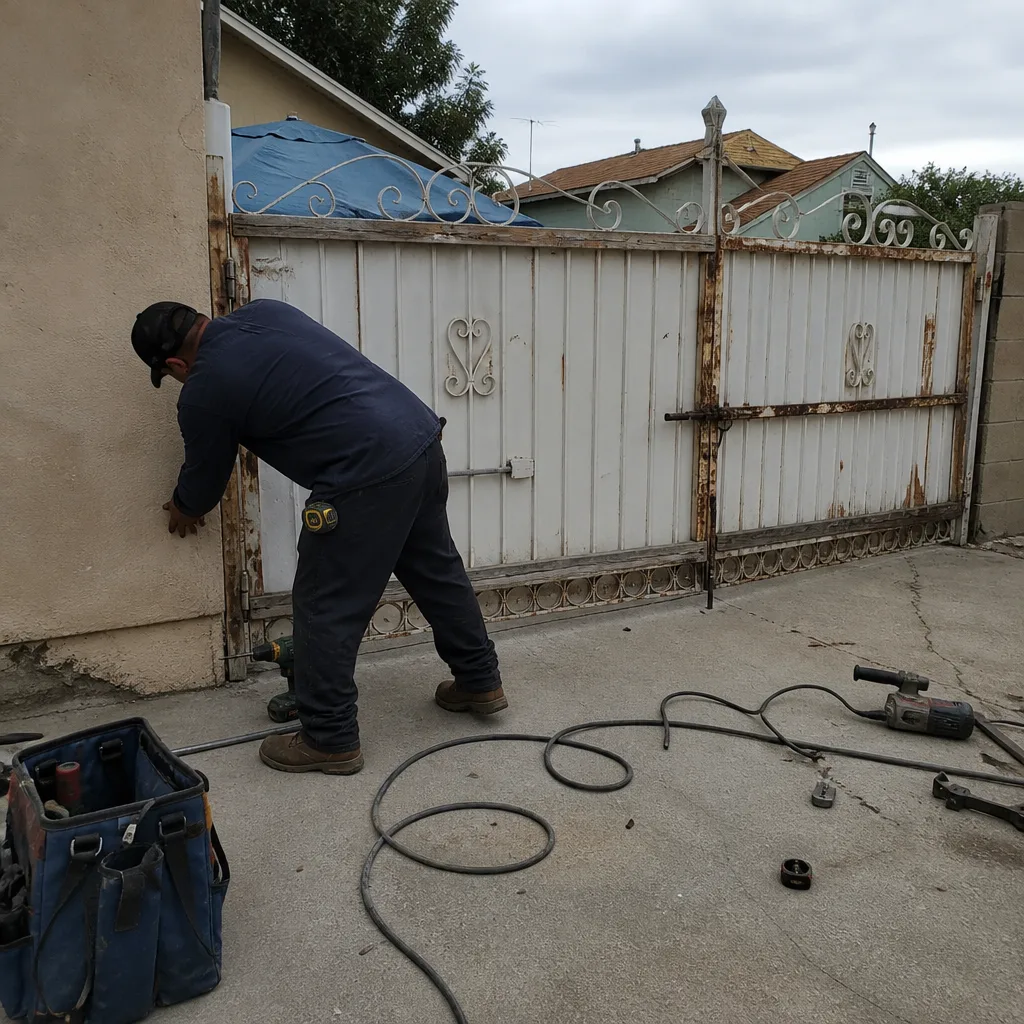 Before
 After
 Before
 After